

378
M. Weers et al.
3 Screening Technology
3.1 Introduction
Screening is a process for the separation of particulate solids. In this process, a disperse particle collective is transported over a moving surface and separated by a
screen. During this process, the particle size x of the feed material is constantly geometrically compared with the mesh size w of the screen bottom. When the particles
are successfully transported through the screen mesh, the feed material is separated
into a coarse material fraction (c) and a fine material fraction (f). Whether and with
what probability a particle passes through a sieve opening depends on the ratio particle size to mesh size (x/w), the particle shape and mesh shape, the orientation of the
particle at the point of contact and the angle of impact in respect to the sieve plane.
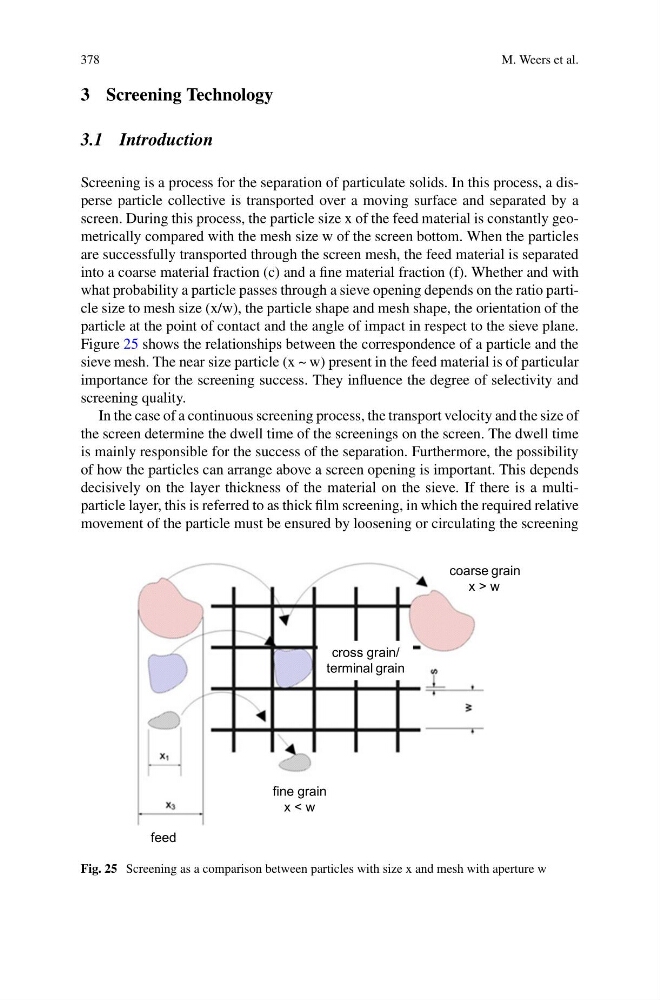
Figure 25 shows the relationships between the correspondence of a particle and the
sieve mesh. The near size particle (x ~ w) present in the feed material is of particular
importance for the screening success. They influence the degree of selectivity and
screening quality.
In the case of a continuous screening process, the transport velocity and the size of
the screen determine the dwell time of the screenings on the screen. The dwell time
is mainly responsible for the success of the separation. Furthermore, the possibility
of how the particles can arrange above a screen opening is important. This depends
decisively on the layer thickness of the material on the sieve. If there is a multiparticle layer, this is referred to as thick film screening, in which the required relative
movement of the particle must be ensured by loosening or circulating the screening
cross grain/
terminal grain
fine grain
x < w
coarse grain
x > w
feed
Fig. 25 Screening as a comparison between particles with size x and mesh with aperture w
M. Weers et al.
3 Screening Technology
3.1 Introduction
Screening is a process for the separation of particulate solids. In this process, a disperse particle collective is transported over a moving surface and separated by a
screen. During this process, the particle size x of the feed material is constantly geometrically compared with the mesh size w of the screen bottom. When the particles
are successfully transported through the screen mesh, the feed material is separated
into a coarse material fraction (c) and a fine material fraction (f). Whether and with
what probability a particle passes through a sieve opening depends on the ratio particle size to mesh size (x/w), the particle shape and mesh shape, the orientation of the
particle at the point of contact and the angle of impact in respect to the sieve plane.
Figure 25 shows the relationships between the correspondence of a particle and the
sieve mesh. The near size particle (x ~ w) present in the feed material is of particular
importance for the screening success. They influence the degree of selectivity and
screening quality.
In the case of a continuous screening process, the transport velocity and the size of
the screen determine the dwell time of the screenings on the screen. The dwell time
is mainly responsible for the success of the separation. Furthermore, the possibility
of how the particles can arrange above a screen opening is important. This depends
decisively on the layer thickness of the material on the sieve. If there is a multiparticle layer, this is referred to as thick film screening, in which the required relative
movement of the particle must be ensured by loosening or circulating the screening
cross grain/
terminal grain
fine grain
x < w
coarse grain
x > w
feed
Fig. 25 Screening as a comparison between particles with size x and mesh with aperture w