

elimination already attached to the metal center. But direct reduction elimination
from this intermediate is totally prohibitive. The transition state associated with this
step TS 6-Ni(II) has a barrier of 66.0 kcal/mol. Here is where the photosensitizer plays
a crucial role. Without the aid of the photocatalyst, the reaction would reach only this
step.
If the photosensitizer reaches its excited state, its high oxidation potential can
oxidize the Ni(II) complex 6 to the Ni(III) intermediate 7 in a thermodynamically
favorable step. Thus, we examined with Marcus theory the barrier for the outersphere electron transfer event. The two redox partners involved in this step are the Ni
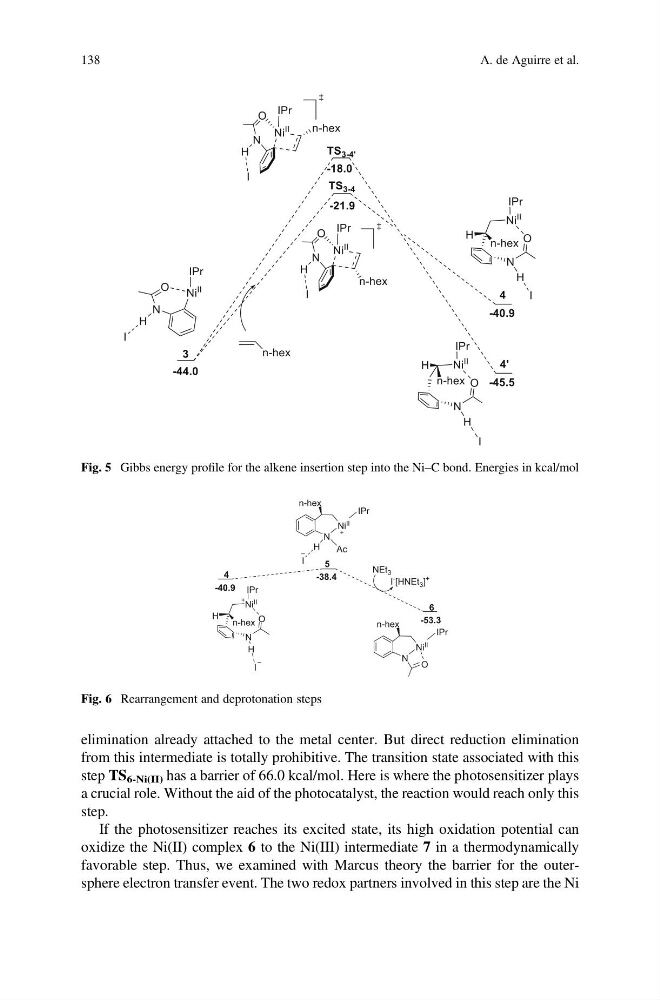
Fig. 5 Gibbs energy profile for the alkene insertion step into the Ni–C bond. Energies in kcal/mol
-53.3
6
N
Ni II
IPr
n-hex
O
N
Ni II
IPr
n-hex
Ac
H
I
-38.4
5
IPr
Ni II
N
O
H
H
I
n-hex
-40.9
4
I
- [HNEt 3 ]
+
NEt 3
Fig. 6 Rearrangement and deprotonation steps
138
A. de Aguirre et al.
from this intermediate is totally prohibitive. The transition state associated with this
step TS 6-Ni(II) has a barrier of 66.0 kcal/mol. Here is where the photosensitizer plays
a crucial role. Without the aid of the photocatalyst, the reaction would reach only this
step.
If the photosensitizer reaches its excited state, its high oxidation potential can
oxidize the Ni(II) complex 6 to the Ni(III) intermediate 7 in a thermodynamically
favorable step. Thus, we examined with Marcus theory the barrier for the outersphere electron transfer event. The two redox partners involved in this step are the Ni
Fig. 5 Gibbs energy profile for the alkene insertion step into the Ni–C bond. Energies in kcal/mol
-53.3
6
N
Ni II
IPr
n-hex
O
N
Ni II
IPr
n-hex
Ac
H
I
-38.4
5
IPr
Ni II
N
O
H
H
I
n-hex
-40.9
4
I
- [HNEt 3 ]
+
NEt 3
Fig. 6 Rearrangement and deprotonation steps
138
A. de Aguirre et al.