

70
3 Subsonic Wind Tunnels
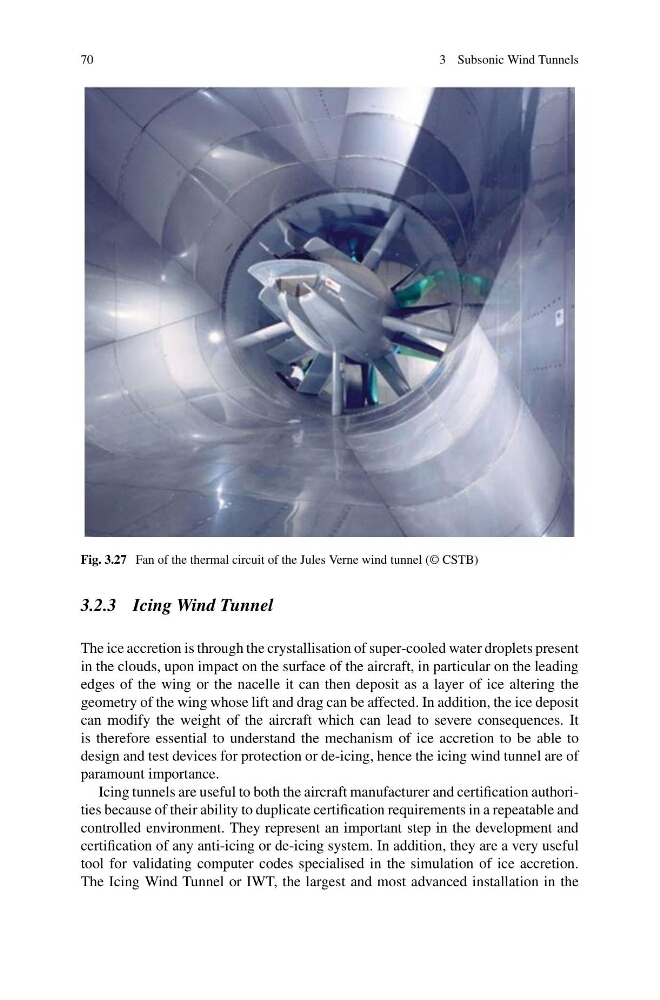
Fig. 3.27 Fan of the thermal circuit of the Jules Verne wind tunnel (© CSTB)
3.2.3 Icing Wind Tunnel
The ice accretion is through the crystallisation of super-cooled water droplets present
in the clouds, upon impact on the surface of the aircraft, in particular on the leading
edges of the wing or the nacelle it can then deposit as a layer of ice altering the
geometry of the wing whose lift and drag can be affected. In addition, the ice deposit
can modify the weight of the aircraft which can lead to severe consequences. It
is therefore essential to understand the mechanism of ice accretion to be able to
design and test devices for protection or de-icing, hence the icing wind tunnel are of
paramount importance.
Icing tunnels are useful to both the aircraft manufacturer and certification authorities because of their ability to duplicate certification requirements in a repeatable and
controlled environment. They represent an important step in the development and
certification of any anti-icing or de-icing system. In addition, they are a very useful
tool for validating computer codes specialised in the simulation of ice accretion.
The Icing Wind Tunnel or IWT, the largest and most advanced installation in the
3 Subsonic Wind Tunnels
Fig. 3.27 Fan of the thermal circuit of the Jules Verne wind tunnel (© CSTB)
3.2.3 Icing Wind Tunnel
The ice accretion is through the crystallisation of super-cooled water droplets present
in the clouds, upon impact on the surface of the aircraft, in particular on the leading
edges of the wing or the nacelle it can then deposit as a layer of ice altering the
geometry of the wing whose lift and drag can be affected. In addition, the ice deposit
can modify the weight of the aircraft which can lead to severe consequences. It
is therefore essential to understand the mechanism of ice accretion to be able to
design and test devices for protection or de-icing, hence the icing wind tunnel are of
paramount importance.
Icing tunnels are useful to both the aircraft manufacturer and certification authorities because of their ability to duplicate certification requirements in a repeatable and
controlled environment. They represent an important step in the development and
certification of any anti-icing or de-icing system. In addition, they are a very useful
tool for validating computer codes specialised in the simulation of ice accretion.
The Icing Wind Tunnel or IWT, the largest and most advanced installation in the