

16
1 The Experimental Approach in Aerodynamic Design
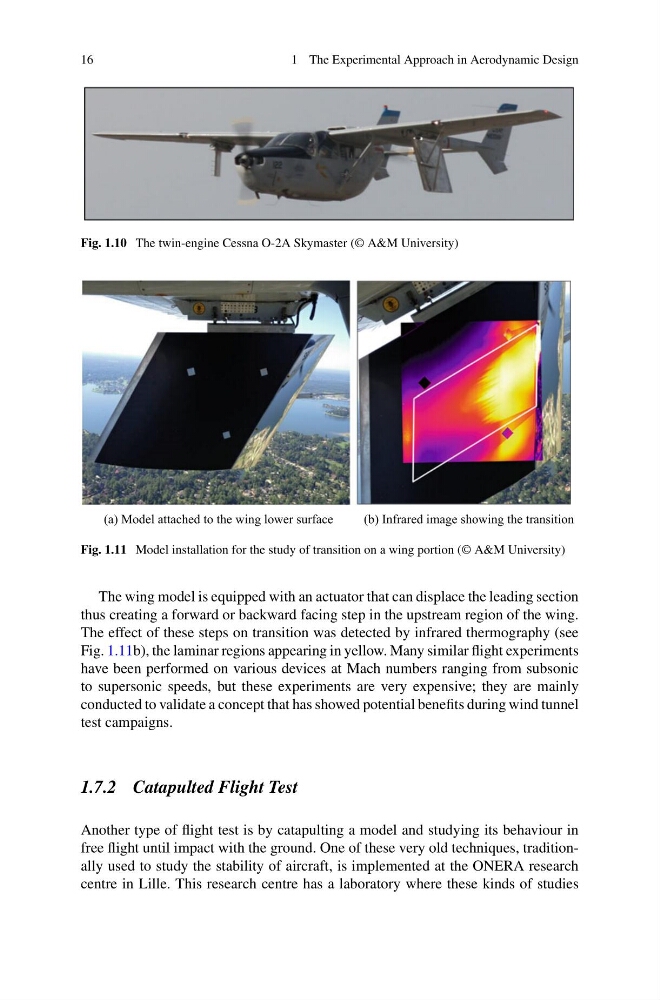
Fig. 1.10 The twin-engine Cessna O-2A Skymaster (© A&M University)
(a) Model attached to the wing lower surface
(b) Infrared image showing the transition
Fig. 1.11 Model installation for the study of transition on a wing portion (© A&M University)
The wing model is equipped with an actuator that can displace the leading section
thus creating a forward or backward facing step in the upstream region of the wing.
The effect of these steps on transition was detected by infrared thermography (see
Fig. 1.11b), the laminar regions appearing in yellow. Many similar flight experiments
have been performed on various devices at Mach numbers ranging from subsonic
to supersonic speeds, but these experiments are very expensive; they are mainly
conducted to validate a concept that has showed potential benefits during wind tunnel
test campaigns.
1.7.2 Catapulted Flight Test
Another type of flight test is by catapulting a model and studying its behaviour in
free flight until impact with the ground. One of these very old techniques, traditionally used to study the stability of aircraft, is implemented at the ONERA research
centre in Lille. This research centre has a laboratory where these kinds of studies
1 The Experimental Approach in Aerodynamic Design
Fig. 1.10 The twin-engine Cessna O-2A Skymaster (© A&M University)
(a) Model attached to the wing lower surface
(b) Infrared image showing the transition
Fig. 1.11 Model installation for the study of transition on a wing portion (© A&M University)
The wing model is equipped with an actuator that can displace the leading section
thus creating a forward or backward facing step in the upstream region of the wing.
The effect of these steps on transition was detected by infrared thermography (see
Fig. 1.11b), the laminar regions appearing in yellow. Many similar flight experiments
have been performed on various devices at Mach numbers ranging from subsonic
to supersonic speeds, but these experiments are very expensive; they are mainly
conducted to validate a concept that has showed potential benefits during wind tunnel
test campaigns.
1.7.2 Catapulted Flight Test
Another type of flight test is by catapulting a model and studying its behaviour in
free flight until impact with the ground. One of these very old techniques, traditionally used to study the stability of aircraft, is implemented at the ONERA research
centre in Lille. This research centre has a laboratory where these kinds of studies