

10.2 Pressure Probes
227
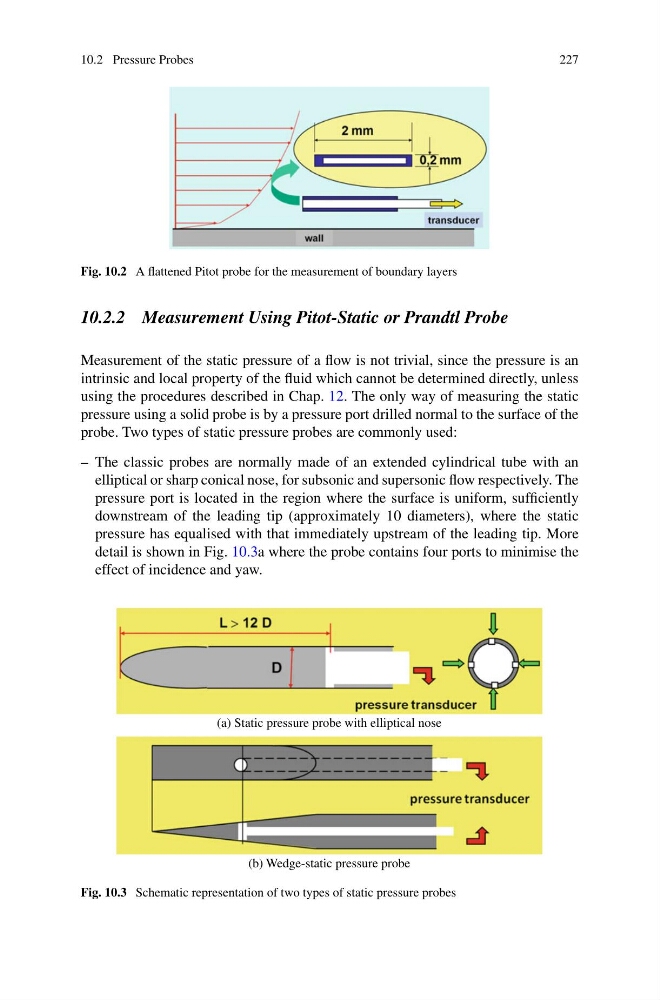
Fig. 10.2 A flattened Pitot probe for the measurement of boundary layers
10.2.2 Measurement Using Pitot-Static or Prandtl Probe
Measurement of the static pressure of a flow is not trivial, since the pressure is an
intrinsic and local property of the fluid which cannot be determined directly, unless
using the procedures described in Chap. 12. The only way of measuring the static
pressure using a solid probe is by a pressure port drilled normal to the surface of the
probe. Two types of static pressure probes are commonly used:
– The classic probes are normally made of an extended cylindrical tube with an
elliptical or sharp conical nose, for subsonic and supersonic flow respectively. The
pressure port is located in the region where the surface is uniform, sufficiently
downstream of the leading tip (approximately 10 diameters), where the static
pressure has equalised with that immediately upstream of the leading tip. More
detail is shown in Fig. 10.3a where the probe contains four ports to minimise the
effect of incidence and yaw.
(a) Static pressure probe with elliptical nose
(b) Wedge-static pressure probe
Fig. 10.3 Schematic representation of two types of static pressure probes
227
Fig. 10.2 A flattened Pitot probe for the measurement of boundary layers
10.2.2 Measurement Using Pitot-Static or Prandtl Probe
Measurement of the static pressure of a flow is not trivial, since the pressure is an
intrinsic and local property of the fluid which cannot be determined directly, unless
using the procedures described in Chap. 12. The only way of measuring the static
pressure using a solid probe is by a pressure port drilled normal to the surface of the
probe. Two types of static pressure probes are commonly used:
– The classic probes are normally made of an extended cylindrical tube with an
elliptical or sharp conical nose, for subsonic and supersonic flow respectively. The
pressure port is located in the region where the surface is uniform, sufficiently
downstream of the leading tip (approximately 10 diameters), where the static
pressure has equalised with that immediately upstream of the leading tip. More
detail is shown in Fig. 10.3a where the probe contains four ports to minimise the
effect of incidence and yaw.
(a) Static pressure probe with elliptical nose
(b) Wedge-static pressure probe
Fig. 10.3 Schematic representation of two types of static pressure probes