

200
D. George and M. J. Madou
Photoresist (PS)
Substrate
Heat treatment
and developing
Heat treatment
and developing
Positive photoresist
Negative photoresist
Etching
Deposition
PS removal
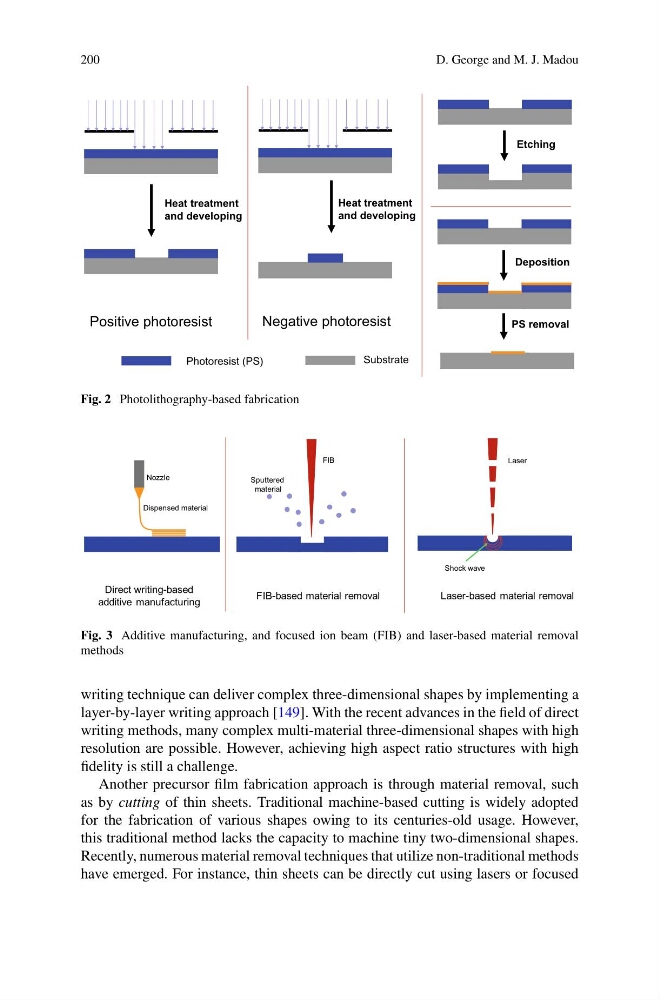
Fig. 2 Photolithography-based fabrication
FIB
Sputtered
material
Laser
Shock wave
FIB-based material removal
Laser-based material removal
Direct writing-based
additive manufacturing
Dispensed material
Nozzle
Fig. 3 Additive manufacturing, and focused ion beam (FIB) and laser-based material removal
methods
writing technique can deliver complex three-dimensional shapes by implementing a
layer-by-layer writing approach [149]. With the recent advances in the field of direct
writing methods, many complex multi-material three-dimensional shapes with high
resolution are possible. However, achieving high aspect ratio structures with high
fidelity is still a challenge.
Another precursor film fabrication approach is through material removal, such
as by cutting of thin sheets. Traditional machine-based cutting is widely adopted
for the fabrication of various shapes owing to its centuries-old usage. However,
this traditional method lacks the capacity to machine tiny two-dimensional shapes.
Recently, numerous material removal techniques that utilize non-traditional methods
have emerged. For instance, thin sheets can be directly cut using lasers or focused
D. George and M. J. Madou
Photoresist (PS)
Substrate
Heat treatment
and developing
Heat treatment
and developing
Positive photoresist
Negative photoresist
Etching
Deposition
PS removal
Fig. 2 Photolithography-based fabrication
FIB
Sputtered
material
Laser
Shock wave
FIB-based material removal
Laser-based material removal
Direct writing-based
additive manufacturing
Dispensed material
Nozzle
Fig. 3 Additive manufacturing, and focused ion beam (FIB) and laser-based material removal
methods
writing technique can deliver complex three-dimensional shapes by implementing a
layer-by-layer writing approach [149]. With the recent advances in the field of direct
writing methods, many complex multi-material three-dimensional shapes with high
resolution are possible. However, achieving high aspect ratio structures with high
fidelity is still a challenge.
Another precursor film fabrication approach is through material removal, such
as by cutting of thin sheets. Traditional machine-based cutting is widely adopted
for the fabrication of various shapes owing to its centuries-old usage. However,
this traditional method lacks the capacity to machine tiny two-dimensional shapes.
Recently, numerous material removal techniques that utilize non-traditional methods
have emerged. For instance, thin sheets can be directly cut using lasers or focused