

554
R. B. Pachori and V. Gupta
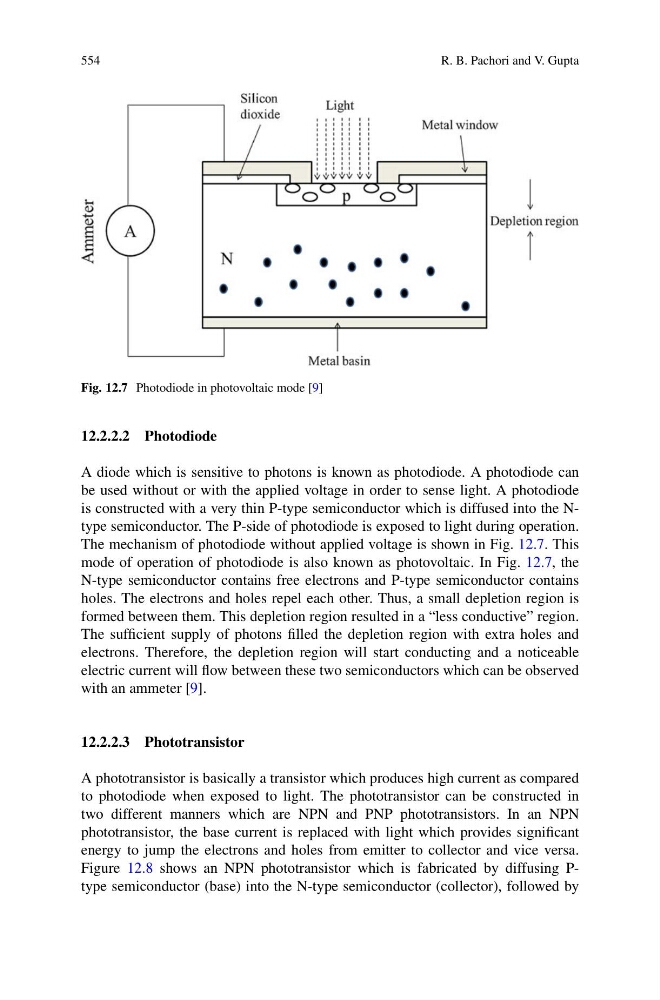
Fig. 12.7 Photodiode in photovoltaic mode [9]
12.2.2.2 Photodiode
A diode which is sensitive to photons is known as photodiode. A photodiode can
be used without or with the applied voltage in order to sense light. A photodiode
is constructed with a very thin P-type semiconductor which is diffused into the Ntype semiconductor. The P-side of photodiode is exposed to light during operation.
The mechanism of photodiode without applied voltage is shown in Fig. 12.7. This
mode of operation of photodiode is also known as photovoltaic. In Fig. 12.7, the
N-type semiconductor contains free electrons and P-type semiconductor contains
holes. The electrons and holes repel each other. Thus, a small depletion region is
formed between them. This depletion region resulted in a “less conductive” region.
The sufficient supply of photons filled the depletion region with extra holes and
electrons. Therefore, the depletion region will start conducting and a noticeable
electric current will flow between these two semiconductors which can be observed
with an ammeter [9].
12.2.2.3 Phototransistor
A phototransistor is basically a transistor which produces high current as compared
to photodiode when exposed to light. The phototransistor can be constructed in
two different manners which are NPN and PNP phototransistors. In an NPN
phototransistor, the base current is replaced with light which provides significant
energy to jump the electrons and holes from emitter to collector and vice versa.
Figure 12.8 shows an NPN phototransistor which is fabricated by diffusing Ptype semiconductor (base) into the N-type semiconductor (collector), followed by
R. B. Pachori and V. Gupta
Fig. 12.7 Photodiode in photovoltaic mode [9]
12.2.2.2 Photodiode
A diode which is sensitive to photons is known as photodiode. A photodiode can
be used without or with the applied voltage in order to sense light. A photodiode
is constructed with a very thin P-type semiconductor which is diffused into the Ntype semiconductor. The P-side of photodiode is exposed to light during operation.
The mechanism of photodiode without applied voltage is shown in Fig. 12.7. This
mode of operation of photodiode is also known as photovoltaic. In Fig. 12.7, the
N-type semiconductor contains free electrons and P-type semiconductor contains
holes. The electrons and holes repel each other. Thus, a small depletion region is
formed between them. This depletion region resulted in a “less conductive” region.
The sufficient supply of photons filled the depletion region with extra holes and
electrons. Therefore, the depletion region will start conducting and a noticeable
electric current will flow between these two semiconductors which can be observed
with an ammeter [9].
12.2.2.3 Phototransistor
A phototransistor is basically a transistor which produces high current as compared
to photodiode when exposed to light. The phototransistor can be constructed in
two different manners which are NPN and PNP phototransistors. In an NPN
phototransistor, the base current is replaced with light which provides significant
energy to jump the electrons and holes from emitter to collector and vice versa.
Figure 12.8 shows an NPN phototransistor which is fabricated by diffusing Ptype semiconductor (base) into the N-type semiconductor (collector), followed by