

398
E. R. T. Tiekink
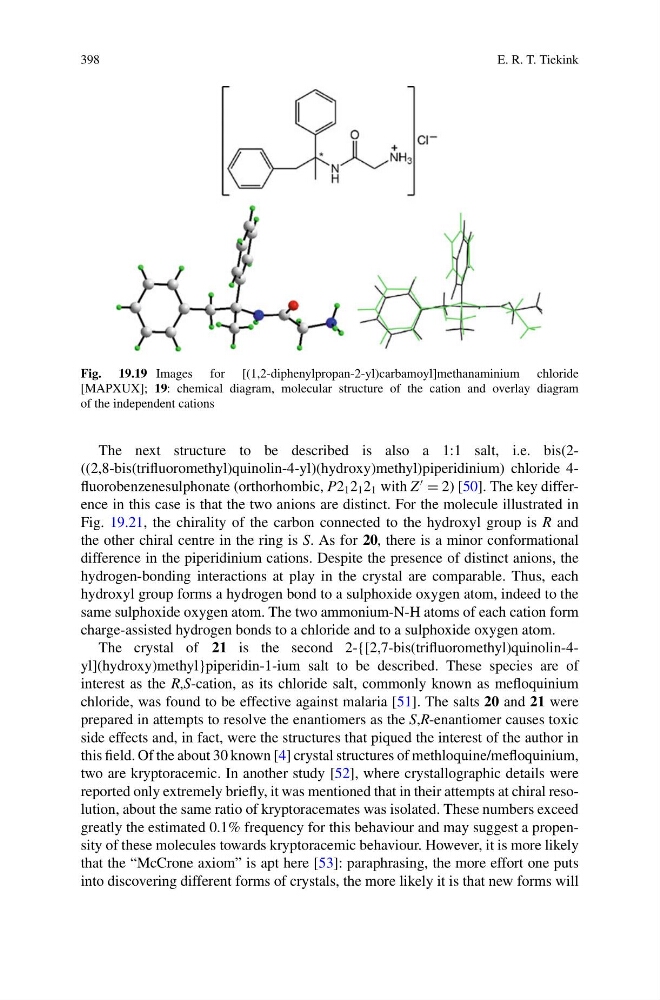
Fig. 19.19 Images for [(1,2-diphenylpropan-2-yl)carbamoyl]methanaminium chloride
[MAPXUX]; 19: chemical diagram, molecular structure of the cation and overlay diagram
of the independent cations
The next structure to be described is also a 1:1 salt, i.e. bis(2((2,8-bis(trifluoromethyl)quinolin-4-yl)(hydroxy)methyl)piperidinium) chloride 4fluorobenzenesulphonate (orthorhombic, P2 1 2 1 2 1 with Z
= 2) [50]. The key difference in this case is that the two anions are distinct. For the molecule illustrated in
Fig. 19.21, the chirality of the carbon connected to the hydroxyl group is R and
the other chiral centre in the ring is S. As for 20, there is a minor conformational
difference in the piperidinium cations. Despite the presence of distinct anions, the
hydrogen-bonding interactions at play in the crystal are comparable. Thus, each
hydroxyl group forms a hydrogen bond to a sulphoxide oxygen atom, indeed to the
same sulphoxide oxygen atom. The two ammonium-N-H atoms of each cation form
charge-assisted hydrogen bonds to a chloride and to a sulphoxide oxygen atom.
The crystal of 21 is the second 2-{[2,7-bis(trifluoromethyl)quinolin-4yl](hydroxy)methyl}piperidin-1-ium salt to be described. These species are of
interest as the R,S-cation, as its chloride salt, commonly known as mefloquinium
chloride, was found to be effective against malaria [51]. The salts 20 and 21 were
prepared in attempts to resolve the enantiomers as the S,R-enantiomer causes toxic
side effects and, in fact, were the structures that piqued the interest of the author in
this field. Of the about 30 known [4] crystal structures of methloquine/mefloquinium,
two are kryptoracemic. In another study [52], where crystallographic details were
reported only extremely briefly, it was mentioned that in their attempts at chiral resolution, about the same ratio of kryptoracemates was isolated. These numbers exceed
greatly the estimated 0.1% frequency for this behaviour and may suggest a propensity of these molecules towards kryptoracemic behaviour. However, it is more likely
that the “McCrone axiom” is apt here [53]: paraphrasing, the more effort one puts
into discovering different forms of crystals, the more likely it is that new forms will
E. R. T. Tiekink
Fig. 19.19 Images for [(1,2-diphenylpropan-2-yl)carbamoyl]methanaminium chloride
[MAPXUX]; 19: chemical diagram, molecular structure of the cation and overlay diagram
of the independent cations
The next structure to be described is also a 1:1 salt, i.e. bis(2((2,8-bis(trifluoromethyl)quinolin-4-yl)(hydroxy)methyl)piperidinium) chloride 4fluorobenzenesulphonate (orthorhombic, P2 1 2 1 2 1 with Z
= 2) [50]. The key difference in this case is that the two anions are distinct. For the molecule illustrated in
Fig. 19.21, the chirality of the carbon connected to the hydroxyl group is R and
the other chiral centre in the ring is S. As for 20, there is a minor conformational
difference in the piperidinium cations. Despite the presence of distinct anions, the
hydrogen-bonding interactions at play in the crystal are comparable. Thus, each
hydroxyl group forms a hydrogen bond to a sulphoxide oxygen atom, indeed to the
same sulphoxide oxygen atom. The two ammonium-N-H atoms of each cation form
charge-assisted hydrogen bonds to a chloride and to a sulphoxide oxygen atom.
The crystal of 21 is the second 2-{[2,7-bis(trifluoromethyl)quinolin-4yl](hydroxy)methyl}piperidin-1-ium salt to be described. These species are of
interest as the R,S-cation, as its chloride salt, commonly known as mefloquinium
chloride, was found to be effective against malaria [51]. The salts 20 and 21 were
prepared in attempts to resolve the enantiomers as the S,R-enantiomer causes toxic
side effects and, in fact, were the structures that piqued the interest of the author in
this field. Of the about 30 known [4] crystal structures of methloquine/mefloquinium,
two are kryptoracemic. In another study [52], where crystallographic details were
reported only extremely briefly, it was mentioned that in their attempts at chiral resolution, about the same ratio of kryptoracemates was isolated. These numbers exceed
greatly the estimated 0.1% frequency for this behaviour and may suggest a propensity of these molecules towards kryptoracemic behaviour. However, it is more likely
that the “McCrone axiom” is apt here [53]: paraphrasing, the more effort one puts
into discovering different forms of crystals, the more likely it is that new forms will