

396
E. R. T. Tiekink
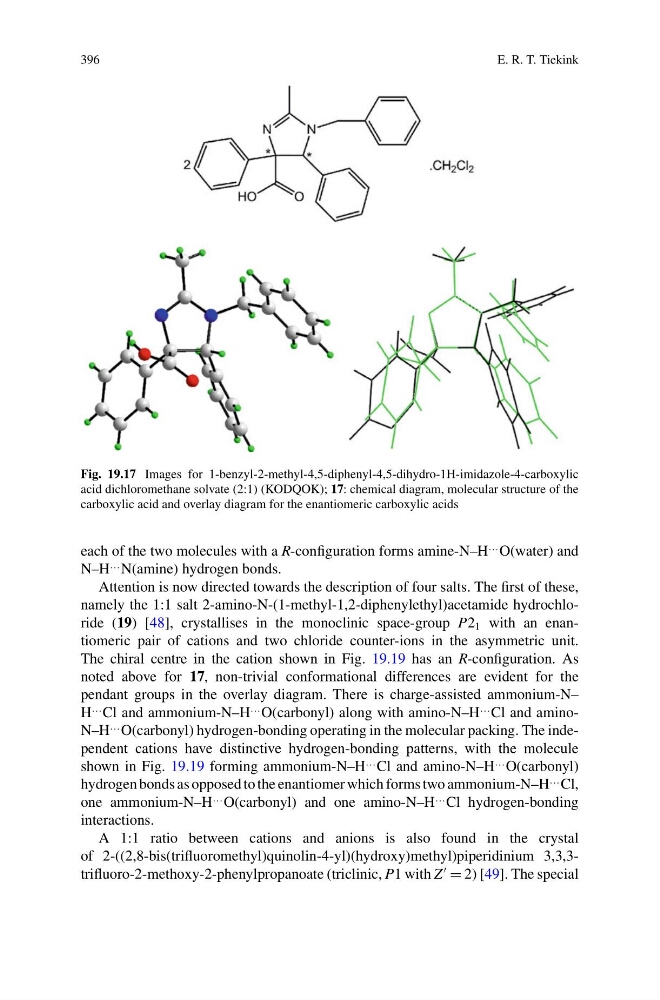
Fig. 19.17 Images for 1-benzyl-2-methyl-4,5-diphenyl-4,5-dihydro-1H-imidazole-4-carboxylic
acid dichloromethane solvate (2:1) (KODQOK); 17: chemical diagram, molecular structure of the
carboxylic acid and overlay diagram for the enantiomeric carboxylic acids
each of the two molecules with a R-configuration forms amine-N–H
… O(water) and
N–H
… N(amine) hydrogen bonds.
Attention is now directed towards the description of four salts. The first of these,
namely the 1:1 salt 2-amino-N-(1-methyl-1,2-diphenylethyl)acetamide hydrochloride (19) [48], crystallises in the monoclinic space-group P2 1 with an enantiomeric pair of cations and two chloride counter-ions in the asymmetric unit.
The chiral centre in the cation shown in Fig. 19.19 has an R-configuration. As
noted above for 17, non-trivial conformational differences are evident for the
pendant groups in the overlay diagram. There is charge-assisted ammonium-N–
H
… Cl and ammonium-N–H
… O(carbonyl) along with amino-N–H
… Cl and aminoN–H
… O(carbonyl) hydrogen-bonding operating in the molecular packing. The independent cations have distinctive hydrogen-bonding patterns, with the molecule
shown in Fig. 19.19 forming ammonium-N–H
… Cl and amino-N–H
… O(carbonyl)
hydrogen bonds as opposed to the enantiomer which forms two ammonium-N–H
… Cl,
one ammonium-N–H
… O(carbonyl) and one amino-N–H
… Cl hydrogen-bonding
interactions.
A 1:1 ratio between cations and anions is also found in the crystal
of 2-((2,8-bis(trifluoromethyl)quinolin-4-yl)(hydroxy)methyl)piperidinium 3,3,3trifluoro-2-methoxy-2-phenylpropanoate (triclinic, P1 with Z
= 2) [49]. The special
E. R. T. Tiekink
Fig. 19.17 Images for 1-benzyl-2-methyl-4,5-diphenyl-4,5-dihydro-1H-imidazole-4-carboxylic
acid dichloromethane solvate (2:1) (KODQOK); 17: chemical diagram, molecular structure of the
carboxylic acid and overlay diagram for the enantiomeric carboxylic acids
each of the two molecules with a R-configuration forms amine-N–H
… O(water) and
N–H
… N(amine) hydrogen bonds.
Attention is now directed towards the description of four salts. The first of these,
namely the 1:1 salt 2-amino-N-(1-methyl-1,2-diphenylethyl)acetamide hydrochloride (19) [48], crystallises in the monoclinic space-group P2 1 with an enantiomeric pair of cations and two chloride counter-ions in the asymmetric unit.
The chiral centre in the cation shown in Fig. 19.19 has an R-configuration. As
noted above for 17, non-trivial conformational differences are evident for the
pendant groups in the overlay diagram. There is charge-assisted ammonium-N–
H
… Cl and ammonium-N–H
… O(carbonyl) along with amino-N–H
… Cl and aminoN–H
… O(carbonyl) hydrogen-bonding operating in the molecular packing. The independent cations have distinctive hydrogen-bonding patterns, with the molecule
shown in Fig. 19.19 forming ammonium-N–H
… Cl and amino-N–H
… O(carbonyl)
hydrogen bonds as opposed to the enantiomer which forms two ammonium-N–H
… Cl,
one ammonium-N–H
… O(carbonyl) and one amino-N–H
… Cl hydrogen-bonding
interactions.
A 1:1 ratio between cations and anions is also found in the crystal
of 2-((2,8-bis(trifluoromethyl)quinolin-4-yl)(hydroxy)methyl)piperidinium 3,3,3trifluoro-2-methoxy-2-phenylpropanoate (triclinic, P1 with Z
= 2) [49]. The special