

310
S. Kobatake and T. Nakahama
N N
HO
HPI
N
N
HO
HPNIC
S
S
F
F
F
F
F
F
Me
Me
Me
Me
S
S
F
F
F
F
F
F
Me
Me
Me
Me
UV
Vis.
11a
11b
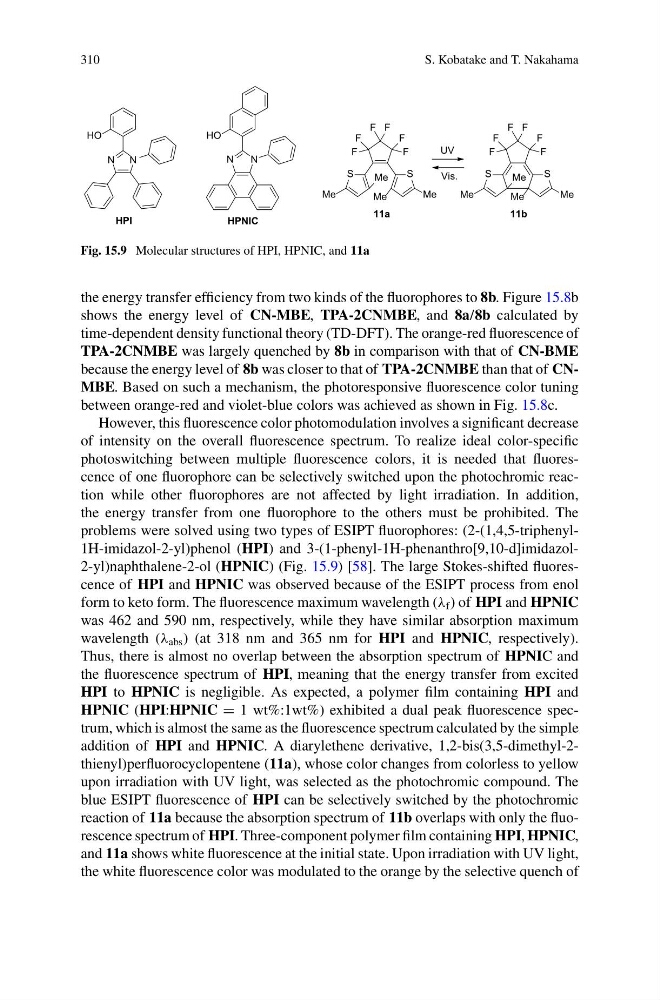
Fig. 15.9 Molecular structures of HPI, HPNIC, and 11a
the energy transfer efficiency from two kinds of the fluorophores to 8b. Figure 15.8b
shows the energy level of CN-MBE, TPA-2CNMBE, and 8a/8b calculated by
time-dependent density functional theory (TD-DFT). The orange-red fluorescence of
TPA-2CNMBE was largely quenched by 8b in comparison with that of CN-BME
because the energy level of 8b was closer to that of TPA-2CNMBE than that of CNMBE. Based on such a mechanism, the photoresponsive fluorescence color tuning
between orange-red and violet-blue colors was achieved as shown in Fig. 15.8c.
However, this fluorescence color photomodulation involves a significant decrease
of intensity on the overall fluorescence spectrum. To realize ideal color-specific
photoswitching between multiple fluorescence colors, it is needed that fluorescence of one fluorophore can be selectively switched upon the photochromic reaction while other fluorophores are not affected by light irradiation. In addition,
the energy transfer from one fluorophore to the others must be prohibited. The
problems were solved using two types of ESIPT fluorophores: (2-(1,4,5-triphenyl1H-imidazol-2-yl)phenol (HPI) and 3-(1-phenyl-1H-phenanthro[9,10-d]imidazol2-yl)naphthalene-2-ol (HPNIC) (Fig. 15.9) [58]. The large Stokes-shifted fluorescence of HPI and HPNIC was observed because of the ESIPT process from enol
form to keto form. The fluorescence maximum wavelength (λ f ) of HPI and HPNIC
was 462 and 590 nm, respectively, while they have similar absorption maximum
wavelength (λ abs ) (at 318 nm and 365 nm for HPI and HPNIC, respectively).
Thus, there is almost no overlap between the absorption spectrum of HPNIC and
the fluorescence spectrum of HPI, meaning that the energy transfer from excited
HPI to HPNIC is negligible. As expected, a polymer film containing HPI and
HPNIC (HPI:HPNIC = 1 wt%:1wt%) exhibited a dual peak fluorescence spectrum, which is almost the same as the fluorescence spectrum calculated by the simple
addition of HPI and HPNIC. A diarylethene derivative, 1,2-bis(3,5-dimethyl-2thienyl)perfluorocyclopentene (11a), whose color changes from colorless to yellow
upon irradiation with UV light, was selected as the photochromic compound. The
blue ESIPT fluorescence of HPI can be selectively switched by the photochromic
reaction of 11a because the absorption spectrum of 11b overlaps with only the fluorescence spectrum of HPI. Three-component polymer film containing HPI, HPNIC,
and 11a shows white fluorescence at the initial state. Upon irradiation with UV light,
the white fluorescence color was modulated to the orange by the selective quench of
S. Kobatake and T. Nakahama
N N
HO
HPI
N
N
HO
HPNIC
S
S
F
F
F
F
F
F
Me
Me
Me
Me
S
S
F
F
F
F
F
F
Me
Me
Me
Me
UV
Vis.
11a
11b
Fig. 15.9 Molecular structures of HPI, HPNIC, and 11a
the energy transfer efficiency from two kinds of the fluorophores to 8b. Figure 15.8b
shows the energy level of CN-MBE, TPA-2CNMBE, and 8a/8b calculated by
time-dependent density functional theory (TD-DFT). The orange-red fluorescence of
TPA-2CNMBE was largely quenched by 8b in comparison with that of CN-BME
because the energy level of 8b was closer to that of TPA-2CNMBE than that of CNMBE. Based on such a mechanism, the photoresponsive fluorescence color tuning
between orange-red and violet-blue colors was achieved as shown in Fig. 15.8c.
However, this fluorescence color photomodulation involves a significant decrease
of intensity on the overall fluorescence spectrum. To realize ideal color-specific
photoswitching between multiple fluorescence colors, it is needed that fluorescence of one fluorophore can be selectively switched upon the photochromic reaction while other fluorophores are not affected by light irradiation. In addition,
the energy transfer from one fluorophore to the others must be prohibited. The
problems were solved using two types of ESIPT fluorophores: (2-(1,4,5-triphenyl1H-imidazol-2-yl)phenol (HPI) and 3-(1-phenyl-1H-phenanthro[9,10-d]imidazol2-yl)naphthalene-2-ol (HPNIC) (Fig. 15.9) [58]. The large Stokes-shifted fluorescence of HPI and HPNIC was observed because of the ESIPT process from enol
form to keto form. The fluorescence maximum wavelength (λ f ) of HPI and HPNIC
was 462 and 590 nm, respectively, while they have similar absorption maximum
wavelength (λ abs ) (at 318 nm and 365 nm for HPI and HPNIC, respectively).
Thus, there is almost no overlap between the absorption spectrum of HPNIC and
the fluorescence spectrum of HPI, meaning that the energy transfer from excited
HPI to HPNIC is negligible. As expected, a polymer film containing HPI and
HPNIC (HPI:HPNIC = 1 wt%:1wt%) exhibited a dual peak fluorescence spectrum, which is almost the same as the fluorescence spectrum calculated by the simple
addition of HPI and HPNIC. A diarylethene derivative, 1,2-bis(3,5-dimethyl-2thienyl)perfluorocyclopentene (11a), whose color changes from colorless to yellow
upon irradiation with UV light, was selected as the photochromic compound. The
blue ESIPT fluorescence of HPI can be selectively switched by the photochromic
reaction of 11a because the absorption spectrum of 11b overlaps with only the fluorescence spectrum of HPI. Three-component polymer film containing HPI, HPNIC,
and 11a shows white fluorescence at the initial state. Upon irradiation with UV light,
the white fluorescence color was modulated to the orange by the selective quench of