

The modified sample quickly spread on the oil/water mixture surface and sorbed the
oil and also prevented the distribution of spilled oil. In addition, the effect of removal
time in sorption capacity of hydrothermal and modified samples was considered. The
results indicated that the maximum uptake capacity of both nanoparticles was
observed at 30 s for diesel. After that the oilsorption capacity did not change by
increasing removal time. In all experiments, the capacity of modified sample was
greater than that of the hydrothermal sample. The modified sample sorbed 3.63,
4.26, and 9.41 g/g of thin diesel, salad, and lubricating oil, respectively. While, the
hydrothermal sample sorbed 2.37 g/g thin diesel. Moreover, the oil uptake capacity
of modified sample was greater for viscous oil. To investigate the reusability of
modified sample, the water contact angles and oilsorption capacities were measured
during ten reuse cycles (Fig. 12.32). As a result, this kind of magnetic modification
prepares a facile method to fabricate high hydrophobic magnetic oilsorbents.
Zhou et al. (2019) designed a superhydrophobic polyurethane@Fe 3 O 4 @polystyrene
sponge with great sorption and good reuse property. Iron oxide nanoparticles and
polystyrene were attached on the polyurethane sponge surface. The modified sponge
was collected with the external magnetic field after oilsorption and recovered by a
negative pressure system. The modified sponge did not have some disadvantages of
common polyurethane sponge like tedious production and fragility. Figure 12.33
illustrates the fabrication process of modified (polyurethane@Fe3O4@polystyrene)
sponge and water contact angles during preparation, which shows high
superhydrophobicity of as-prepared sponge. The water contact angle was the
greatest for modified sponge (151.3
).
Various kinds of organic solvents and oils were selected to investigate the
sorption performance of modified sponge. The results showed the oilsorption capacity was about 24–105 times of as-prepared sponge’s weight, which was influenced
by viscosity and density of contaminants (Fig. 12.34).
It is obvious that the modified sponge shows greater sorption capacity compared
to other superhydrophobic sponges. The reusability of as-prepared sponge was
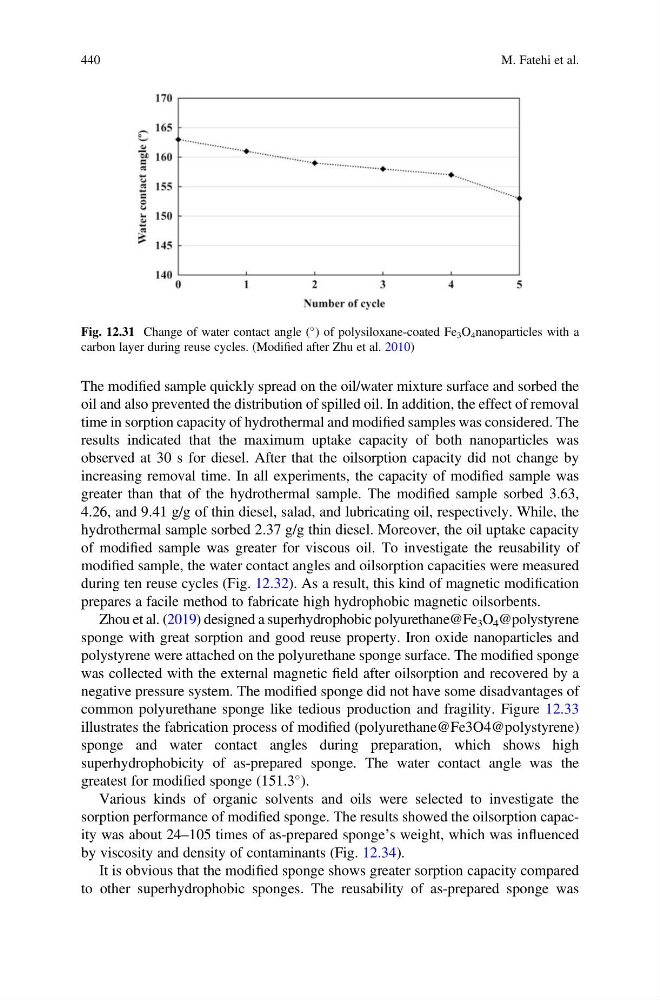
Fig. 12.31 Change of water contact angle (
) of polysiloxane-coated Fe 3 O 4 nanoparticles with a
carbon layer during reuse cycles. (Modified after Zhu et al. 2010)
440
M. Fatehi et al.
oil and also prevented the distribution of spilled oil. In addition, the effect of removal
time in sorption capacity of hydrothermal and modified samples was considered. The
results indicated that the maximum uptake capacity of both nanoparticles was
observed at 30 s for diesel. After that the oilsorption capacity did not change by
increasing removal time. In all experiments, the capacity of modified sample was
greater than that of the hydrothermal sample. The modified sample sorbed 3.63,
4.26, and 9.41 g/g of thin diesel, salad, and lubricating oil, respectively. While, the
hydrothermal sample sorbed 2.37 g/g thin diesel. Moreover, the oil uptake capacity
of modified sample was greater for viscous oil. To investigate the reusability of
modified sample, the water contact angles and oilsorption capacities were measured
during ten reuse cycles (Fig. 12.32). As a result, this kind of magnetic modification
prepares a facile method to fabricate high hydrophobic magnetic oilsorbents.
Zhou et al. (2019) designed a superhydrophobic polyurethane@Fe 3 O 4 @polystyrene
sponge with great sorption and good reuse property. Iron oxide nanoparticles and
polystyrene were attached on the polyurethane sponge surface. The modified sponge
was collected with the external magnetic field after oilsorption and recovered by a
negative pressure system. The modified sponge did not have some disadvantages of
common polyurethane sponge like tedious production and fragility. Figure 12.33
illustrates the fabrication process of modified (polyurethane@Fe3O4@polystyrene)
sponge and water contact angles during preparation, which shows high
superhydrophobicity of as-prepared sponge. The water contact angle was the
greatest for modified sponge (151.3
).
Various kinds of organic solvents and oils were selected to investigate the
sorption performance of modified sponge. The results showed the oilsorption capacity was about 24–105 times of as-prepared sponge’s weight, which was influenced
by viscosity and density of contaminants (Fig. 12.34).
It is obvious that the modified sponge shows greater sorption capacity compared
to other superhydrophobic sponges. The reusability of as-prepared sponge was
Fig. 12.31 Change of water contact angle (
) of polysiloxane-coated Fe 3 O 4 nanoparticles with a
carbon layer during reuse cycles. (Modified after Zhu et al. 2010)
440
M. Fatehi et al.