

porosity, specific surface area increased and then decreased by further increase in the
ethanol/methyltrimethoxysilane ratio (10–15) in both acidic and basic conditions. In
both conditions, contact angles, which refer to oleophilicity, had greatest value for
high concentration of precursor (methyltrimethoxysilane). As a result, the best
condition is medium concentration of precursor for as-prepared aerogels with high
efficiency.
The results of oilsorption capacity of as-prepared aerogels for light and heavy
crude oils revealed that as-prepared samples in high concentration of
methyltrimethoxysilane had the lowest sorption due to their compact structures.
By increasing the number of reuse cycles, the sorption of these samples increased
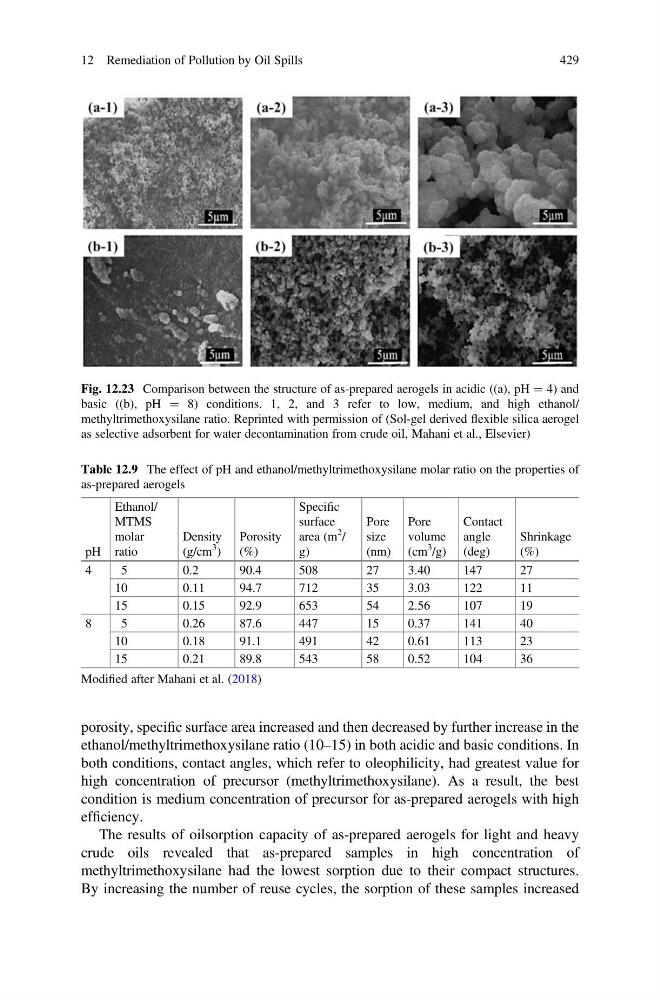
Fig. 12.23 Comparison between the structure of as-prepared aerogels in acidic ((a), pH ¼ 4) and
basic ((b), pH ¼ 8) conditions. 1, 2, and 3 refer to low, medium, and high ethanol/
methyltrimethoxysilane ratio. Reprinted with permission of (Sol-gel derived flexible silica aerogel
as selective adsorbent for water decontamination from crude oil, Mahani et al., Elsevier)
Table 12.9 The effect of pH and ethanol/methyltrimethoxysilane molar ratio on the properties of
as-prepared aerogels
pH
Ethanol/
MTMS
molar
ratio
Density
(g/cm
3
)
Porosity
(%)
Specific
surface
area (m
2
/
g)
Pore
size
(nm)
Pore
volume
(cm
3
/g)
Contact
angle
(deg)
Shrinkage
(%)
4
5
0.2
90.4
508
27
3.40
147
27
10
0.11
94.7
712
35
3.03
122
11
15
0.15
92.9
653
54
2.56
107
19
8
5
0.26
87.6
447
15
0.37
141
40
10
0.18
91.1
491
42
0.61
113
23
15
0.21
89.8
543
58
0.52
104
36
Modified after Mahani et al. (2018)
12 Remediation of Pollution by Oil Spills
429
ethanol/methyltrimethoxysilane ratio (10–15) in both acidic and basic conditions. In
both conditions, contact angles, which refer to oleophilicity, had greatest value for
high concentration of precursor (methyltrimethoxysilane). As a result, the best
condition is medium concentration of precursor for as-prepared aerogels with high
efficiency.
The results of oilsorption capacity of as-prepared aerogels for light and heavy
crude oils revealed that as-prepared samples in high concentration of
methyltrimethoxysilane had the lowest sorption due to their compact structures.
By increasing the number of reuse cycles, the sorption of these samples increased
Fig. 12.23 Comparison between the structure of as-prepared aerogels in acidic ((a), pH ¼ 4) and
basic ((b), pH ¼ 8) conditions. 1, 2, and 3 refer to low, medium, and high ethanol/
methyltrimethoxysilane ratio. Reprinted with permission of (Sol-gel derived flexible silica aerogel
as selective adsorbent for water decontamination from crude oil, Mahani et al., Elsevier)
Table 12.9 The effect of pH and ethanol/methyltrimethoxysilane molar ratio on the properties of
as-prepared aerogels
pH
Ethanol/
MTMS
molar
ratio
Density
(g/cm
3
)
Porosity
(%)
Specific
surface
area (m
2
/
g)
Pore
size
(nm)
Pore
volume
(cm
3
/g)
Contact
angle
(deg)
Shrinkage
(%)
4
5
0.2
90.4
508
27
3.40
147
27
10
0.11
94.7
712
35
3.03
122
11
15
0.15
92.9
653
54
2.56
107
19
8
5
0.26
87.6
447
15
0.37
141
40
10
0.18
91.1
491
42
0.61
113
23
15
0.21
89.8
543
58
0.52
104
36
Modified after Mahani et al. (2018)
12 Remediation of Pollution by Oil Spills
429