

Generally, cellulose aerogels can be grouped into regenerated cellulose aerogels,
cellulose derivative-based ones, and nanocellulose-based aerogels. Depending on
cellulose sources, the nanocellulose includes three main types: nanocrystalline
cellulose, bacterial nanocellulose, and nanofibrillated cellulose. Table 12.8 summarizes the fabrication process, density, porosity, oilsorption performance, and cost of
nanocellulose-based aerogels. The sorption ability was investigated by use of different organic pollutants, like methanol, toluene, hexane, chloroform, acetone,
diesel, gasoline, plant oil, and paraffin liquid.
The effects of sol-gel characteristics on the oilsorption capacity of silica aerogel
were investigated during four reuse cycles by using roll milling (Mahani et al. 2018).
Methyltrimethoxysilane-based aerogels were synthesized via two-step acid-base
catalyzed sol-gel process. Light and heavy commercial crude oils were considered
as pollutants and the sorption experiments were performed in a 3.5% salty water bath
containing 50 g of crude oil. Hydrolysis and polycondensation reactions of
alkoxysilanes are the base of silica sol-gel process, which are performed in an acidic
or basic environment. Therefore, the sol pH influences the structure of the aerogels.
Figure 12.23 illustrates the effect of various pHs on the silica aerogels.
According to the results, the aerogels, which were prepared in acidic conditions,
possessed larger particle size, higher specific surface area, bigger pores, lower
density, and higher porosity than as-prepared aerogels in basic conditions. Therefore, formation of silica network in lower pH increases the oilsorption capacity. In
addition, pore structure, hydrophobicity, and deformability of as-prepared aerogels
were evaluated by changing the ethanol/methyltrimethoxysilane molar ratio. The
ethanol was used as hydrolysis and diluent agent in methyltrimethoxysilane sol-gel
process. As presented in Table 12.9, with increasing ethanol contact (5–10), the
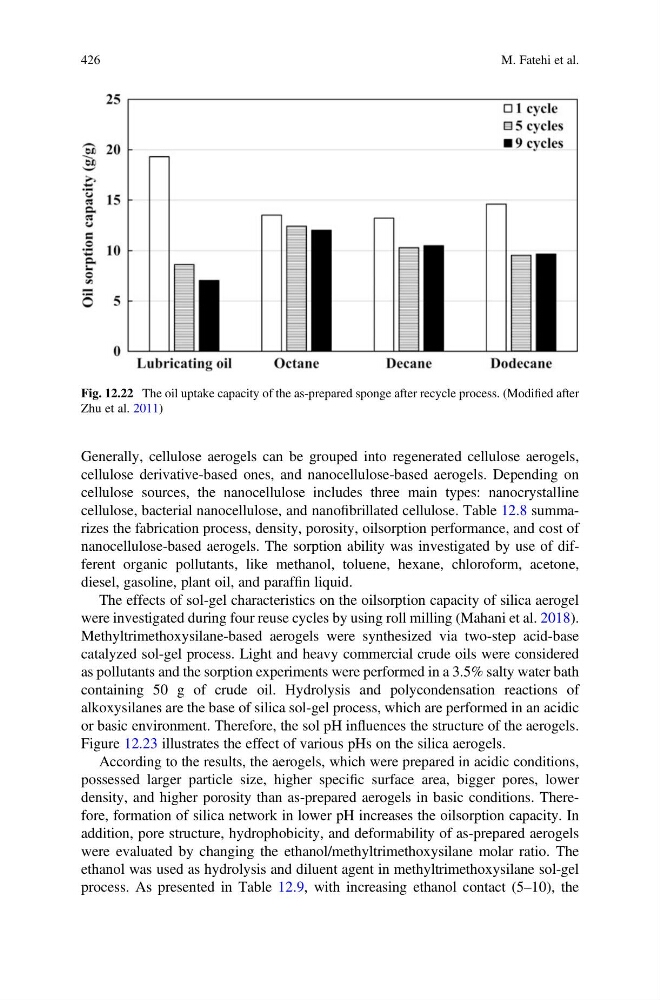
Fig. 12.22 The oil uptake capacity of the as-prepared sponge after recycle process. (Modified after
Zhu et al. 2011)
426
M. Fatehi et al.
cellulose derivative-based ones, and nanocellulose-based aerogels. Depending on
cellulose sources, the nanocellulose includes three main types: nanocrystalline
cellulose, bacterial nanocellulose, and nanofibrillated cellulose. Table 12.8 summarizes the fabrication process, density, porosity, oilsorption performance, and cost of
nanocellulose-based aerogels. The sorption ability was investigated by use of different organic pollutants, like methanol, toluene, hexane, chloroform, acetone,
diesel, gasoline, plant oil, and paraffin liquid.
The effects of sol-gel characteristics on the oilsorption capacity of silica aerogel
were investigated during four reuse cycles by using roll milling (Mahani et al. 2018).
Methyltrimethoxysilane-based aerogels were synthesized via two-step acid-base
catalyzed sol-gel process. Light and heavy commercial crude oils were considered
as pollutants and the sorption experiments were performed in a 3.5% salty water bath
containing 50 g of crude oil. Hydrolysis and polycondensation reactions of
alkoxysilanes are the base of silica sol-gel process, which are performed in an acidic
or basic environment. Therefore, the sol pH influences the structure of the aerogels.
Figure 12.23 illustrates the effect of various pHs on the silica aerogels.
According to the results, the aerogels, which were prepared in acidic conditions,
possessed larger particle size, higher specific surface area, bigger pores, lower
density, and higher porosity than as-prepared aerogels in basic conditions. Therefore, formation of silica network in lower pH increases the oilsorption capacity. In
addition, pore structure, hydrophobicity, and deformability of as-prepared aerogels
were evaluated by changing the ethanol/methyltrimethoxysilane molar ratio. The
ethanol was used as hydrolysis and diluent agent in methyltrimethoxysilane sol-gel
process. As presented in Table 12.9, with increasing ethanol contact (5–10), the
Fig. 12.22 The oil uptake capacity of the as-prepared sponge after recycle process. (Modified after
Zhu et al. 2011)
426
M. Fatehi et al.