

These compositional variations reflects not only the wide variety of land and
marine sources that can originate microplastics but also the differences in the
transport processes caused by the marine currents (Peng et al. 2018), as it is detailed
in Sect. 1.4.1. Also important is that PE and PP are polymers with a low relative
density, which float in water, unlike polyethylene terephthalate or polyvinyl chloride. This is the main reason why these floating polymers are identified in greater
proportion than the others, with higher density. Below are diagrams of the most
frequent composition and morphology of microplastics for each continent
(Figs. 1.16, 1.17, and 1.18). The data of each diagram are based on information
obtained from 10 studies carried out in each continent.
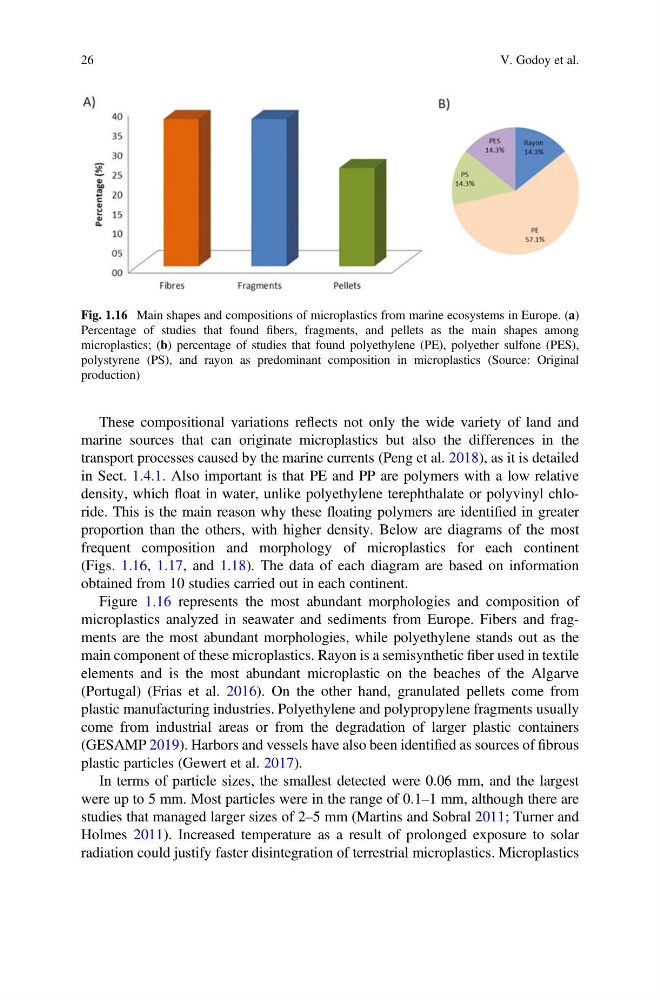
Figure 1.16 represents the most abundant morphologies and composition of
microplastics analyzed in seawater and sediments from Europe. Fibers and fragments are the most abundant morphologies, while polyethylene stands out as the
main component of these microplastics. Rayon is a semisynthetic fiber used in textile
elements and is the most abundant microplastic on the beaches of the Algarve
(Portugal) (Frias et al. 2016). On the other hand, granulated pellets come from
plastic manufacturing industries. Polyethylene and polypropylene fragments usually
come from industrial areas or from the degradation of larger plastic containers
(GESAMP 2019). Harbors and vessels have also been identified as sources of fibrous
plastic particles (Gewert et al. 2017).
In terms of particle sizes, the smallest detected were 0.06 mm, and the largest
were up to 5 mm. Most particles were in the range of 0.1–1 mm, although there are
studies that managed larger sizes of 2–5 mm (Martins and Sobral 2011; Turner and
Holmes 2011). Increased temperature as a result of prolonged exposure to solar
radiation could justify faster disintegration of terrestrial microplastics. Microplastics
Fig. 1.16 Main shapes and compositions of microplastics from marine ecosystems in Europe. (a)
Percentage of studies that found fibers, fragments, and pellets as the main shapes among
microplastics; (b) percentage of studies that found polyethylene (PE), polyether sulfone (PES),
polystyrene (PS), and rayon as predominant composition in microplastics (Source: Original
production)
26
V. Godoy et al.
marine sources that can originate microplastics but also the differences in the
transport processes caused by the marine currents (Peng et al. 2018), as it is detailed
in Sect. 1.4.1. Also important is that PE and PP are polymers with a low relative
density, which float in water, unlike polyethylene terephthalate or polyvinyl chloride. This is the main reason why these floating polymers are identified in greater
proportion than the others, with higher density. Below are diagrams of the most
frequent composition and morphology of microplastics for each continent
(Figs. 1.16, 1.17, and 1.18). The data of each diagram are based on information
obtained from 10 studies carried out in each continent.
Figure 1.16 represents the most abundant morphologies and composition of
microplastics analyzed in seawater and sediments from Europe. Fibers and fragments are the most abundant morphologies, while polyethylene stands out as the
main component of these microplastics. Rayon is a semisynthetic fiber used in textile
elements and is the most abundant microplastic on the beaches of the Algarve
(Portugal) (Frias et al. 2016). On the other hand, granulated pellets come from
plastic manufacturing industries. Polyethylene and polypropylene fragments usually
come from industrial areas or from the degradation of larger plastic containers
(GESAMP 2019). Harbors and vessels have also been identified as sources of fibrous
plastic particles (Gewert et al. 2017).
In terms of particle sizes, the smallest detected were 0.06 mm, and the largest
were up to 5 mm. Most particles were in the range of 0.1–1 mm, although there are
studies that managed larger sizes of 2–5 mm (Martins and Sobral 2011; Turner and
Holmes 2011). Increased temperature as a result of prolonged exposure to solar
radiation could justify faster disintegration of terrestrial microplastics. Microplastics
Fig. 1.16 Main shapes and compositions of microplastics from marine ecosystems in Europe. (a)
Percentage of studies that found fibers, fragments, and pellets as the main shapes among
microplastics; (b) percentage of studies that found polyethylene (PE), polyether sulfone (PES),
polystyrene (PS), and rayon as predominant composition in microplastics (Source: Original
production)
26
V. Godoy et al.