

printed mesh had significant effect on the permeation rate, so that the penetration rate
of hexadecane increased by enhancing pore size. In addition, the oil removal
efficiency of the skimmers was more than 90% during ten oil removal cycles,
which shows the durability of the designed skimmer. This skimmer has the high
potential to be used under sea wave and even storm because the collected oil is kept
stable by the vessel.
This equipment removes oil mechanically and no secondary pollutions remain.
Nevertheless, exorbitant energy for oil recovery, expensive operational conditions,
and higher removal efficiency in sheltered water condition than in harsh one are its
important disadvantages.
Booms
Booms are floating barriers with a variety of sizes, materials, and designs, and are
applied as the vanguard of spill control. Above-water freeboard, below-water skirt,
flotation foam or buoyant material, longitudinal tension member, and ballast are
several types of oil booms. They act as oil containment or oil concentration to
prevent oil spread and thicken oil slick, oil deflection to divert spilled oil at the
collection point for subsequent removal, and as a protector to divert spilled oil from
important biological and economical locations. In turbulent conditions, the application of booms is not feasible (Ivshina et al. 2015). Currents deflect the booms by a
transverse dynamic pressure force and the pressure of surface currents and wave
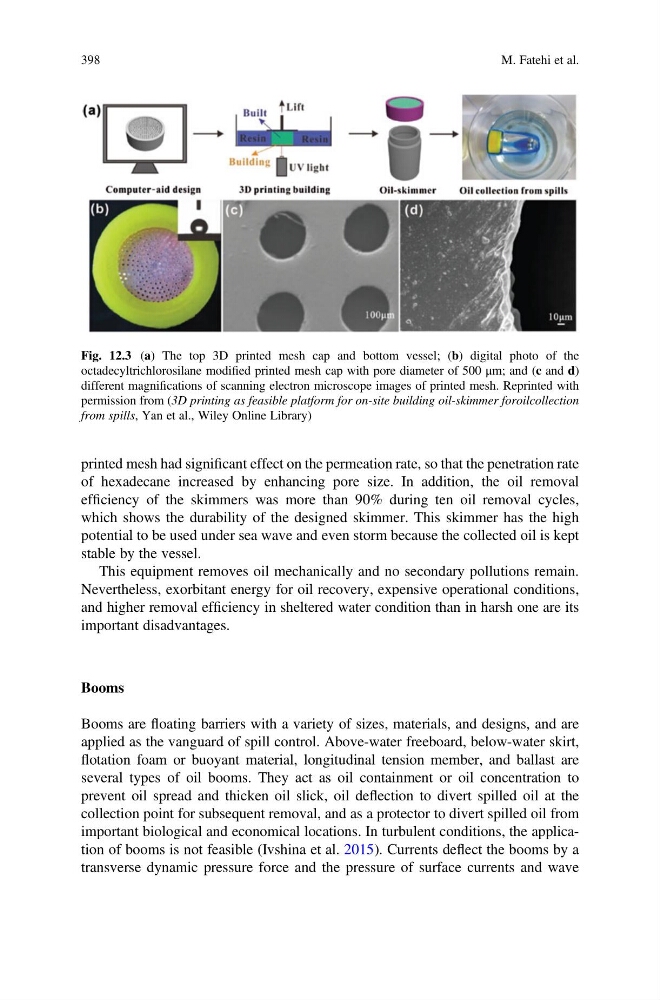
Fig. 12.3 (a) The top 3D printed mesh cap and bottom vessel; (b) digital photo of the
octadecyltrichlorosilane modified printed mesh cap with pore diameter of 500 μm; and (c and d)
different magnifications of scanning electron microscope images of printed mesh. Reprinted with
permission from (3D printing as feasible platform for on-site building oil-skimmer foroilcollection
from spills, Yan et al., Wiley Online Library)
398
M. Fatehi et al.
of hexadecane increased by enhancing pore size. In addition, the oil removal
efficiency of the skimmers was more than 90% during ten oil removal cycles,
which shows the durability of the designed skimmer. This skimmer has the high
potential to be used under sea wave and even storm because the collected oil is kept
stable by the vessel.
This equipment removes oil mechanically and no secondary pollutions remain.
Nevertheless, exorbitant energy for oil recovery, expensive operational conditions,
and higher removal efficiency in sheltered water condition than in harsh one are its
important disadvantages.
Booms
Booms are floating barriers with a variety of sizes, materials, and designs, and are
applied as the vanguard of spill control. Above-water freeboard, below-water skirt,
flotation foam or buoyant material, longitudinal tension member, and ballast are
several types of oil booms. They act as oil containment or oil concentration to
prevent oil spread and thicken oil slick, oil deflection to divert spilled oil at the
collection point for subsequent removal, and as a protector to divert spilled oil from
important biological and economical locations. In turbulent conditions, the application of booms is not feasible (Ivshina et al. 2015). Currents deflect the booms by a
transverse dynamic pressure force and the pressure of surface currents and wave
Fig. 12.3 (a) The top 3D printed mesh cap and bottom vessel; (b) digital photo of the
octadecyltrichlorosilane modified printed mesh cap with pore diameter of 500 μm; and (c and d)
different magnifications of scanning electron microscope images of printed mesh. Reprinted with
permission from (3D printing as feasible platform for on-site building oil-skimmer foroilcollection
from spills, Yan et al., Wiley Online Library)
398
M. Fatehi et al.