

140
R. Rathinamoorthy and S. Raja Balasaraswathi
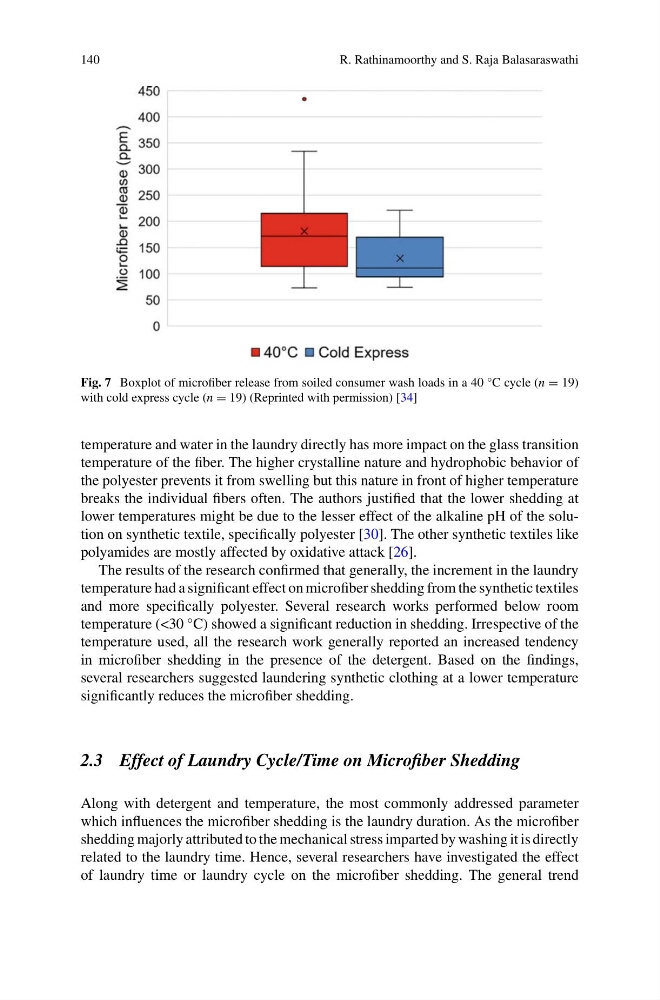
Fig. 7 Boxplot of microfiber release from soiled consumer wash loads in a 40 °C cycle (n = 19)
with cold express cycle (n = 19) (Reprinted with permission) [34]
temperature and water in the laundry directly has more impact on the glass transition
temperature of the fiber. The higher crystalline nature and hydrophobic behavior of
the polyester prevents it from swelling but this nature in front of higher temperature
breaks the individual fibers often. The authors justified that the lower shedding at
lower temperatures might be due to the lesser effect of the alkaline pH of the solution on synthetic textile, specifically polyester [30]. The other synthetic textiles like
polyamides are mostly affected by oxidative attack [26].
The results of the research confirmed that generally, the increment in the laundry
temperature had a significant effect on microfiber shedding from the synthetic textiles
and more specifically polyester. Several research works performed below room
temperature (<30 °C) showed a significant reduction in shedding. Irrespective of the
temperature used, all the research work generally reported an increased tendency
in microfiber shedding in the presence of the detergent. Based on the findings,
several researchers suggested laundering synthetic clothing at a lower temperature
significantly reduces the microfiber shedding.
2.3 Effect of Laundry Cycle/Time on Microfiber Shedding
Along with detergent and temperature, the most commonly addressed parameter
which influences the microfiber shedding is the laundry duration. As the microfiber
shedding majorly attributed to the mechanical stress imparted by washing it is directly
related to the laundry time. Hence, several researchers have investigated the effect
of laundry time or laundry cycle on the microfiber shedding. The general trend
R. Rathinamoorthy and S. Raja Balasaraswathi
Fig. 7 Boxplot of microfiber release from soiled consumer wash loads in a 40 °C cycle (n = 19)
with cold express cycle (n = 19) (Reprinted with permission) [34]
temperature and water in the laundry directly has more impact on the glass transition
temperature of the fiber. The higher crystalline nature and hydrophobic behavior of
the polyester prevents it from swelling but this nature in front of higher temperature
breaks the individual fibers often. The authors justified that the lower shedding at
lower temperatures might be due to the lesser effect of the alkaline pH of the solution on synthetic textile, specifically polyester [30]. The other synthetic textiles like
polyamides are mostly affected by oxidative attack [26].
The results of the research confirmed that generally, the increment in the laundry
temperature had a significant effect on microfiber shedding from the synthetic textiles
and more specifically polyester. Several research works performed below room
temperature (<30 °C) showed a significant reduction in shedding. Irrespective of the
temperature used, all the research work generally reported an increased tendency
in microfiber shedding in the presence of the detergent. Based on the findings,
several researchers suggested laundering synthetic clothing at a lower temperature
significantly reduces the microfiber shedding.
2.3 Effect of Laundry Cycle/Time on Microfiber Shedding
Along with detergent and temperature, the most commonly addressed parameter
which influences the microfiber shedding is the laundry duration. As the microfiber
shedding majorly attributed to the mechanical stress imparted by washing it is directly
related to the laundry time. Hence, several researchers have investigated the effect
of laundry time or laundry cycle on the microfiber shedding. The general trend