

postindustrial wastes as well as postconsumer of plastic film waste management
technologies. They mainly differentiate between these two methods to analyze
quality and uses of recycled materials. Waste management concerning engineered
materials is a big issue across the globe in recent years. Although the bulk materials
can be disposed of, the nano-sized engineered materials are a potential threat to the
environment. To observe this, Heggelund et al. (2016) followed four steps to recover
the nanoengineered materials from consumer products, across the markets of
Europe, Denmark, and the United Kingdom. It was analyzed that silver and plastic
are the two engineered nanomaterials which are commonly found in a variety of
consumer goods. Wigger et al. (2015) have extracted silver from engineered
nanomaterials used in textile industries and observed that the use of silver
nanoparticles in the textile industry has been increased up to 350%. Although
nanomaterials obtained from industries can be recycled, precautionary measurements should be undertaken before they are disposed into the environment.
Similarly municipal solid waste can also be recycled into different forms of
energy (Maqhuzu et al. 2019). It was analyzed that 0.289 kg of fuel can be obtained
from household waste, and with this process, the generation of SOx and greenhouse
gases can be reduced up to 2.2–4.2%, respectively. Converting solid waste could
also serve the purpose of alternative fuel production to minimize the usage of fossil
Current waste
management
scenario across
different countries
Assess present
technologies and
strategic innovations
Decision making
approaches in
Sustainability of
textile wastewater
management
Feasible approaches
for sustainable
recycling and
utilization of solid
wastes
Innovation activities
in textile wastewater
management
Relationship
between ecoinnovations and the
impact on business
performance
Nanotechnology
applicability in
industrial wastewater
treatment
Identify the role of
MCDM approach
H8
H9
H7
H1
H2
H3
H4
H5
H6
H10
Sustainable
development of
management
system
Operational
capabilities for
Service in textile
wastewater sectors
Sustainable
consumption impact
in textile sectors
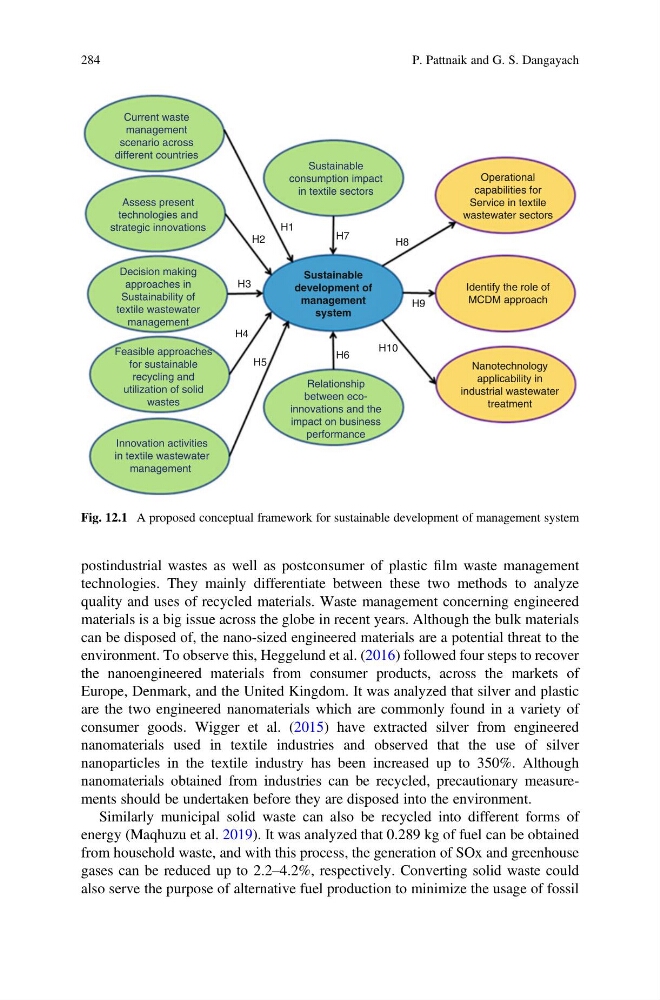
Fig. 12.1 A proposed conceptual framework for sustainable development of management system
284
P. Pattnaik and G. S. Dangayach
technologies. They mainly differentiate between these two methods to analyze
quality and uses of recycled materials. Waste management concerning engineered
materials is a big issue across the globe in recent years. Although the bulk materials
can be disposed of, the nano-sized engineered materials are a potential threat to the
environment. To observe this, Heggelund et al. (2016) followed four steps to recover
the nanoengineered materials from consumer products, across the markets of
Europe, Denmark, and the United Kingdom. It was analyzed that silver and plastic
are the two engineered nanomaterials which are commonly found in a variety of
consumer goods. Wigger et al. (2015) have extracted silver from engineered
nanomaterials used in textile industries and observed that the use of silver
nanoparticles in the textile industry has been increased up to 350%. Although
nanomaterials obtained from industries can be recycled, precautionary measurements should be undertaken before they are disposed into the environment.
Similarly municipal solid waste can also be recycled into different forms of
energy (Maqhuzu et al. 2019). It was analyzed that 0.289 kg of fuel can be obtained
from household waste, and with this process, the generation of SOx and greenhouse
gases can be reduced up to 2.2–4.2%, respectively. Converting solid waste could
also serve the purpose of alternative fuel production to minimize the usage of fossil
Current waste
management
scenario across
different countries
Assess present
technologies and
strategic innovations
Decision making
approaches in
Sustainability of
textile wastewater
management
Feasible approaches
for sustainable
recycling and
utilization of solid
wastes
Innovation activities
in textile wastewater
management
Relationship
between ecoinnovations and the
impact on business
performance
Nanotechnology
applicability in
industrial wastewater
treatment
Identify the role of
MCDM approach
H8
H9
H7
H1
H2
H3
H4
H5
H6
H10
Sustainable
development of
management
system
Operational
capabilities for
Service in textile
wastewater sectors
Sustainable
consumption impact
in textile sectors
Fig. 12.1 A proposed conceptual framework for sustainable development of management system
284
P. Pattnaik and G. S. Dangayach