

2.6.6 Biophotolysis of Water Using Algae and Cyanobacteria
It uses the same principle of photosynthesis of plants. Photoautotrophic microorganisms such as cyanobacteria and algae are capable of generating hydrogen during
photolysis process. It utilizes energy source as sunlight and a carbon source as
carbon dioxide for the photolysis process. Biophotolysis is of two types: direct and
indirect biophotolysis, depending on flow of electrons to hydrogen-producing
enzymes.
Microalgae, blue green algae, cyanobacteria and seaweeds are capable of producing biohydrogen at certain conditions because they have hydrogenase enzyme.
Cyanobacteria is nitrogen-fixing bacteria, perform photosynthesis same as in
plants. They occur in marine environment and soil ecosystems. Cyanobacteria
performs autotrophic growth through photosynthesis. It is capable of biophotolysis,
converting water to hydrogen and oxygen utilizing sunlight as a light source. Blue
green algae metabolizes hydrogen by the action of two enzymes hydrogenase and
nitrogenase enzymes. Nitrogenase enzymes catalyse the hydrogen production and
reduction of hydrogen to ammonia. Hydrogenase finally produces hydrogen, however hydrogenase decreases hydrogen yield also by taking it up.
2.6.6.1 Direct Biophotolysis
Direct photolysis is an important and attractive process for biohydrogen production
as energy utilized is solar energy which metabolizes the substrate to hydrogen and
water. In direct biophotolysis, light is absorbed by PS-II to generate electrons,
protons and oxygen molecules. The electrons generated in photosystem-II are
transported to electron transport chain using solar energy to photosystem-I to
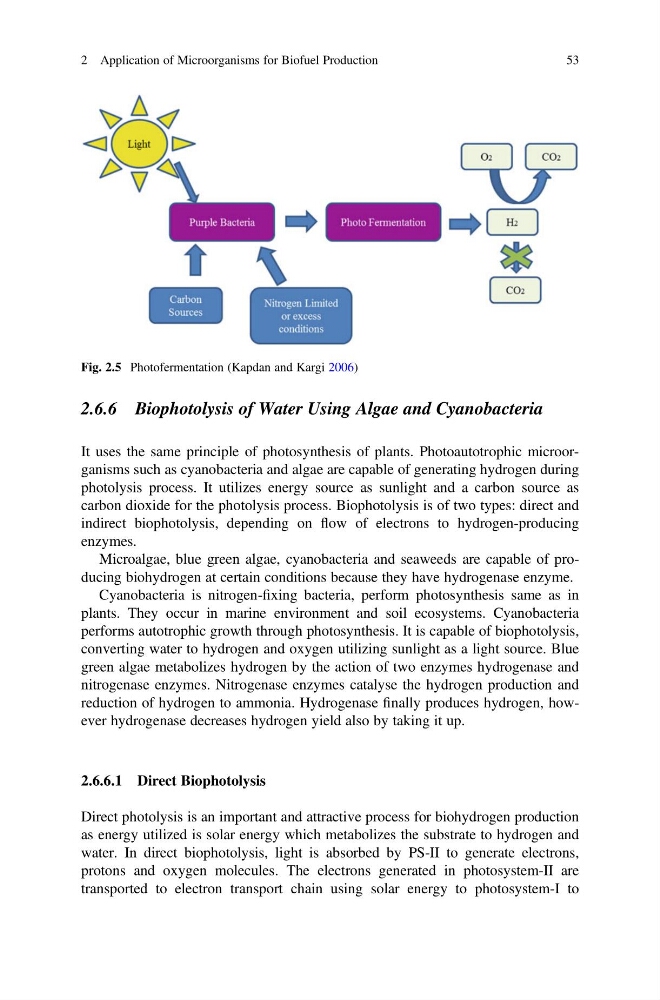
Fig. 2.5 Photofermentation (Kapdan and Kargi 2006)
2 Application of Microorganisms for Biofuel Production
53
It uses the same principle of photosynthesis of plants. Photoautotrophic microorganisms such as cyanobacteria and algae are capable of generating hydrogen during
photolysis process. It utilizes energy source as sunlight and a carbon source as
carbon dioxide for the photolysis process. Biophotolysis is of two types: direct and
indirect biophotolysis, depending on flow of electrons to hydrogen-producing
enzymes.
Microalgae, blue green algae, cyanobacteria and seaweeds are capable of producing biohydrogen at certain conditions because they have hydrogenase enzyme.
Cyanobacteria is nitrogen-fixing bacteria, perform photosynthesis same as in
plants. They occur in marine environment and soil ecosystems. Cyanobacteria
performs autotrophic growth through photosynthesis. It is capable of biophotolysis,
converting water to hydrogen and oxygen utilizing sunlight as a light source. Blue
green algae metabolizes hydrogen by the action of two enzymes hydrogenase and
nitrogenase enzymes. Nitrogenase enzymes catalyse the hydrogen production and
reduction of hydrogen to ammonia. Hydrogenase finally produces hydrogen, however hydrogenase decreases hydrogen yield also by taking it up.
2.6.6.1 Direct Biophotolysis
Direct photolysis is an important and attractive process for biohydrogen production
as energy utilized is solar energy which metabolizes the substrate to hydrogen and
water. In direct biophotolysis, light is absorbed by PS-II to generate electrons,
protons and oxygen molecules. The electrons generated in photosystem-II are
transported to electron transport chain using solar energy to photosystem-I to
Fig. 2.5 Photofermentation (Kapdan and Kargi 2006)
2 Application of Microorganisms for Biofuel Production
53