

more cell density and productivity as they grow in biofilms and increase the surface
area for normal metabolism and reusability than free encapsulated Z. mobilis (Niu
et al. 2013).
Economic bioethanol is produced using Z. mobilis in other industrial approaches
described below:
1. Advanced solid state fermentation technology.
2. Solid submerged fermentation technology.
3. Co-fermentation technology (Lawford et al. 1997; Zhang et al. 2010; Das et al.
2013; Saharkhiz et al. 2013).
6.9 Biosynthesis Pathways
Metabolic pathways adopted for the synthesis of biofuels is given in (Fig. 6.7).
6.10 Valuable Byproducts of Z. mobilis
6.10.1 Isobutanol Production
Another liquid fuel other than bioethanol produced by genetically engineered strains
is isobutanol. Z. mobilis was made genetically engineered by incorporating genes of
alcohol dehydrogenase (adha A) and 2-ketoisovalerate decarboxylase (kiv d) which
Continuous
Batch
Fed-batch
ASSF
SSF & SSCF
VHG
Fermentation
platform
Processing
strategy
Cultivation
technique
Cell Immobilization
Cell Recycle
Cell Flocculation
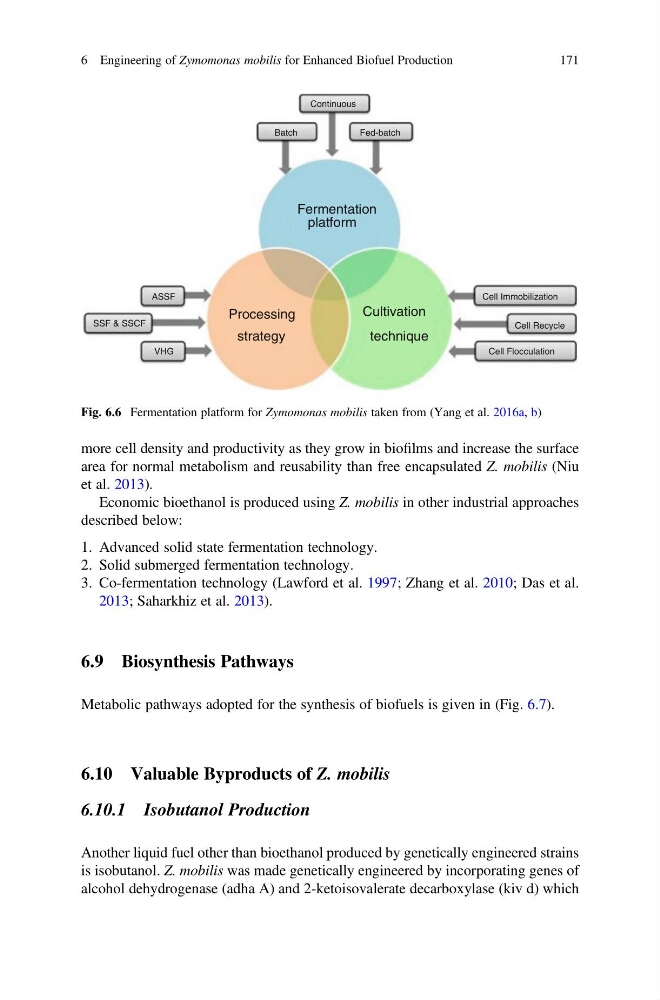
Fig. 6.6 Fermentation platform for Zymomonas mobilis taken from (Yang et al. 2016a, b)
6 Engineering of Zymomonas mobilis for Enhanced Biofuel Production
171
area for normal metabolism and reusability than free encapsulated Z. mobilis (Niu
et al. 2013).
Economic bioethanol is produced using Z. mobilis in other industrial approaches
described below:
1. Advanced solid state fermentation technology.
2. Solid submerged fermentation technology.
3. Co-fermentation technology (Lawford et al. 1997; Zhang et al. 2010; Das et al.
2013; Saharkhiz et al. 2013).
6.9 Biosynthesis Pathways
Metabolic pathways adopted for the synthesis of biofuels is given in (Fig. 6.7).
6.10 Valuable Byproducts of Z. mobilis
6.10.1 Isobutanol Production
Another liquid fuel other than bioethanol produced by genetically engineered strains
is isobutanol. Z. mobilis was made genetically engineered by incorporating genes of
alcohol dehydrogenase (adha A) and 2-ketoisovalerate decarboxylase (kiv d) which
Continuous
Batch
Fed-batch
ASSF
SSF & SSCF
VHG
Fermentation
platform
Processing
strategy
Cultivation
technique
Cell Immobilization
Cell Recycle
Cell Flocculation
Fig. 6.6 Fermentation platform for Zymomonas mobilis taken from (Yang et al. 2016a, b)
6 Engineering of Zymomonas mobilis for Enhanced Biofuel Production
171