

radiation at the wavelength of 976 nm, with different concentrations of silver ions.
The erbium luminescence bands in the visible range, successively at 532, 546, and
660 nm are assigned to appropriate radiative transitions from the upper energy
levels
2 H 11/2 ,
4 S 3/ 2, and
4 F 9/2 to the basic energy level
4 I 15/2 (Fig. 14.11). As a
result of the analysis, the obtained signal gain is a consequence of the plasmon
resonance effect of silver nanoparticles, surrounded by erbium ions, and partly from
the Ag
0
! Er
3+ energy transfer. In addition, the increase in the concentration of
Ag
+ ions causes the reduction of the luminescence signal, which indicates an
unfavorable phenomenon of the backward Er
3+
! Ag
0
energy transfer
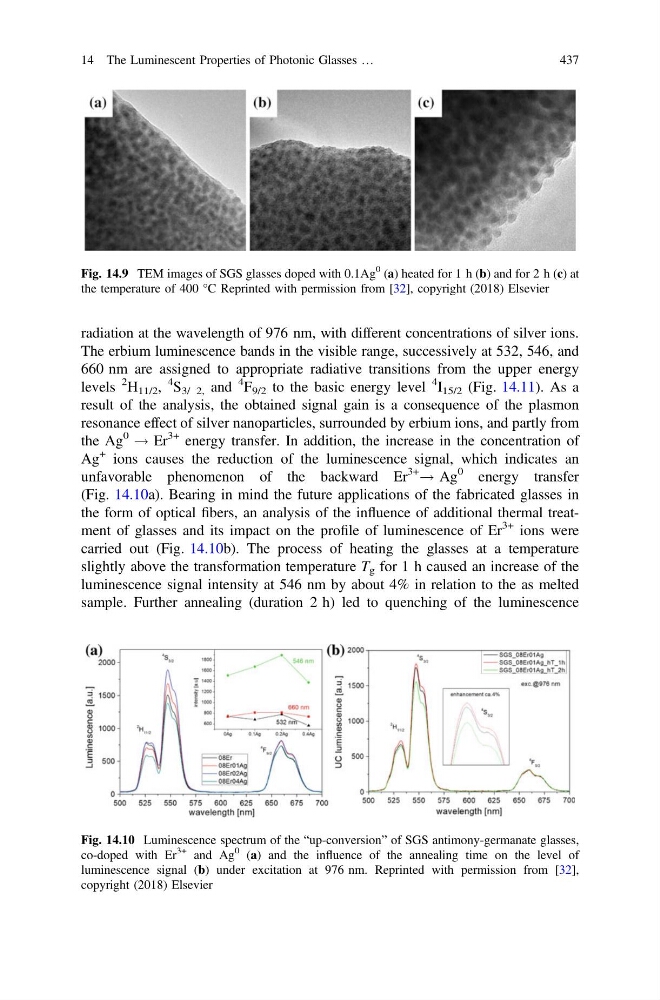
(Fig. 14.10a). Bearing in mind the future applications of the fabricated glasses in
the form of optical fibers, an analysis of the influence of additional thermal treatment of glasses and its impact on the profile of luminescence of Er
3+ ions were
carried out (Fig. 14.10b). The process of heating the glasses at a temperature
slightly above the transformation temperature T g for 1 h caused an increase of the
luminescence signal intensity at 546 nm by about 4% in relation to the as melted
sample. Further annealing (duration 2 h) led to quenching of the luminescence
Fig. 14.9 TEM images of SGS glasses doped with 0.1Ag
0 (a) heated for 1 h (b) and for 2 h (c) at
the temperature of 400 °C Reprinted with permission from [32], copyright (2018) Elsevier
Fig. 14.10 Luminescence spectrum of the “up-conversion” of SGS antimony-germanate glasses,
co-doped with Er
3+ and Ag
0 (a) and the influence of the annealing time on the level of
luminescence signal (b) under excitation at 976 nm. Reprinted with permission from [32],
copyright (2018) Elsevier
14 The Luminescent Properties of Photonic Glasses …
437
The erbium luminescence bands in the visible range, successively at 532, 546, and
660 nm are assigned to appropriate radiative transitions from the upper energy
levels
2 H 11/2 ,
4 S 3/ 2, and
4 F 9/2 to the basic energy level
4 I 15/2 (Fig. 14.11). As a
result of the analysis, the obtained signal gain is a consequence of the plasmon
resonance effect of silver nanoparticles, surrounded by erbium ions, and partly from
the Ag
0
! Er
3+ energy transfer. In addition, the increase in the concentration of
Ag
+ ions causes the reduction of the luminescence signal, which indicates an
unfavorable phenomenon of the backward Er
3+
! Ag
0
energy transfer
(Fig. 14.10a). Bearing in mind the future applications of the fabricated glasses in
the form of optical fibers, an analysis of the influence of additional thermal treatment of glasses and its impact on the profile of luminescence of Er
3+ ions were
carried out (Fig. 14.10b). The process of heating the glasses at a temperature
slightly above the transformation temperature T g for 1 h caused an increase of the
luminescence signal intensity at 546 nm by about 4% in relation to the as melted
sample. Further annealing (duration 2 h) led to quenching of the luminescence
Fig. 14.9 TEM images of SGS glasses doped with 0.1Ag
0 (a) heated for 1 h (b) and for 2 h (c) at
the temperature of 400 °C Reprinted with permission from [32], copyright (2018) Elsevier
Fig. 14.10 Luminescence spectrum of the “up-conversion” of SGS antimony-germanate glasses,
co-doped with Er
3+ and Ag
0 (a) and the influence of the annealing time on the level of
luminescence signal (b) under excitation at 976 nm. Reprinted with permission from [32],
copyright (2018) Elsevier
14 The Luminescent Properties of Photonic Glasses …
437