

16 Potential Transboundary Impacts of the Grand Ethiopian …
367
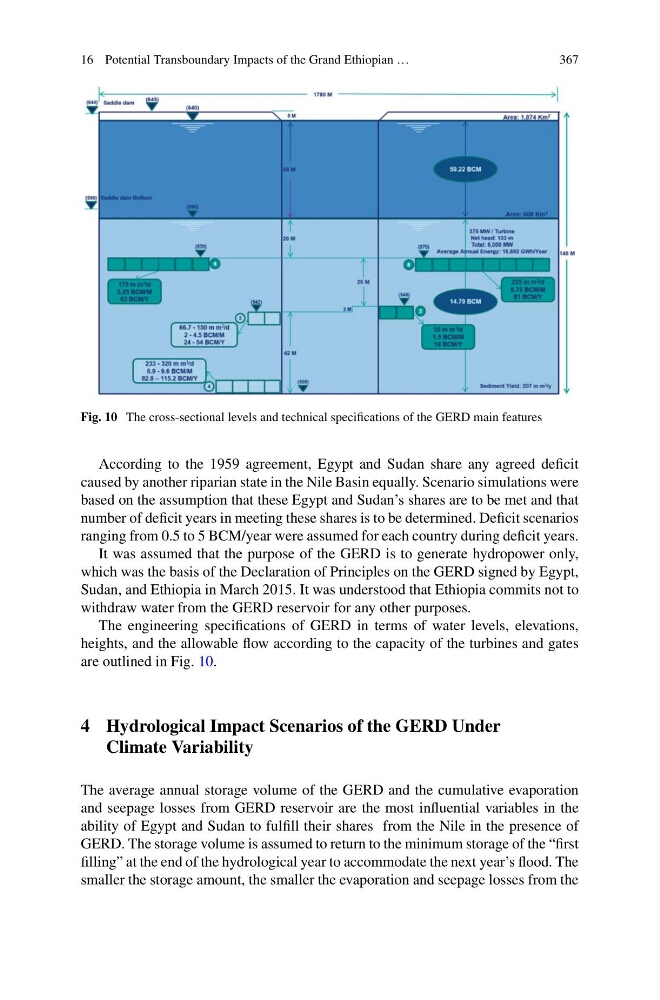
Fig. 10 The cross-sectional levels and technical specifications of the GERD main features
According to the 1959 agreement, Egypt and Sudan share any agreed deficit
caused by another riparian state in the Nile Basin equally. Scenario simulations were
based on the assumption that these Egypt and Sudan’s shares are to be met and that
number of deficit years in meeting these shares is to be determined. Deficit scenarios
ranging from 0.5 to 5 BCM/year were assumed for each country during deficit years.
It was assumed that the purpose of the GERD is to generate hydropower only,
which was the basis of the Declaration of Principles on the GERD signed by Egypt,
Sudan, and Ethiopia in March 2015. It was understood that Ethiopia commits not to
withdraw water from the GERD reservoir for any other purposes.
The engineering specifications of GERD in terms of water levels, elevations,
heights, and the allowable flow according to the capacity of the turbines and gates
are outlined in Fig. 10.
4 Hydrological Impact Scenarios of the GERD Under
Climate Variability
The average annual storage volume of the GERD and the cumulative evaporation
and seepage losses from GERD reservoir are the most influential variables in the
ability of Egypt and Sudan to fulfill their shares from the Nile in the presence of
GERD. The storage volume is assumed to return to the minimum storage of the “first
filling” at the end of the hydrological year to accommodate the next year’s flood. The
smaller the storage amount, the smaller the evaporation and seepage losses from the
367
Fig. 10 The cross-sectional levels and technical specifications of the GERD main features
According to the 1959 agreement, Egypt and Sudan share any agreed deficit
caused by another riparian state in the Nile Basin equally. Scenario simulations were
based on the assumption that these Egypt and Sudan’s shares are to be met and that
number of deficit years in meeting these shares is to be determined. Deficit scenarios
ranging from 0.5 to 5 BCM/year were assumed for each country during deficit years.
It was assumed that the purpose of the GERD is to generate hydropower only,
which was the basis of the Declaration of Principles on the GERD signed by Egypt,
Sudan, and Ethiopia in March 2015. It was understood that Ethiopia commits not to
withdraw water from the GERD reservoir for any other purposes.
The engineering specifications of GERD in terms of water levels, elevations,
heights, and the allowable flow according to the capacity of the turbines and gates
are outlined in Fig. 10.
4 Hydrological Impact Scenarios of the GERD Under
Climate Variability
The average annual storage volume of the GERD and the cumulative evaporation
and seepage losses from GERD reservoir are the most influential variables in the
ability of Egypt and Sudan to fulfill their shares from the Nile in the presence of
GERD. The storage volume is assumed to return to the minimum storage of the “first
filling” at the end of the hydrological year to accommodate the next year’s flood. The
smaller the storage amount, the smaller the evaporation and seepage losses from the