

14 Water Resources in the Sahel and Adaptation …
321
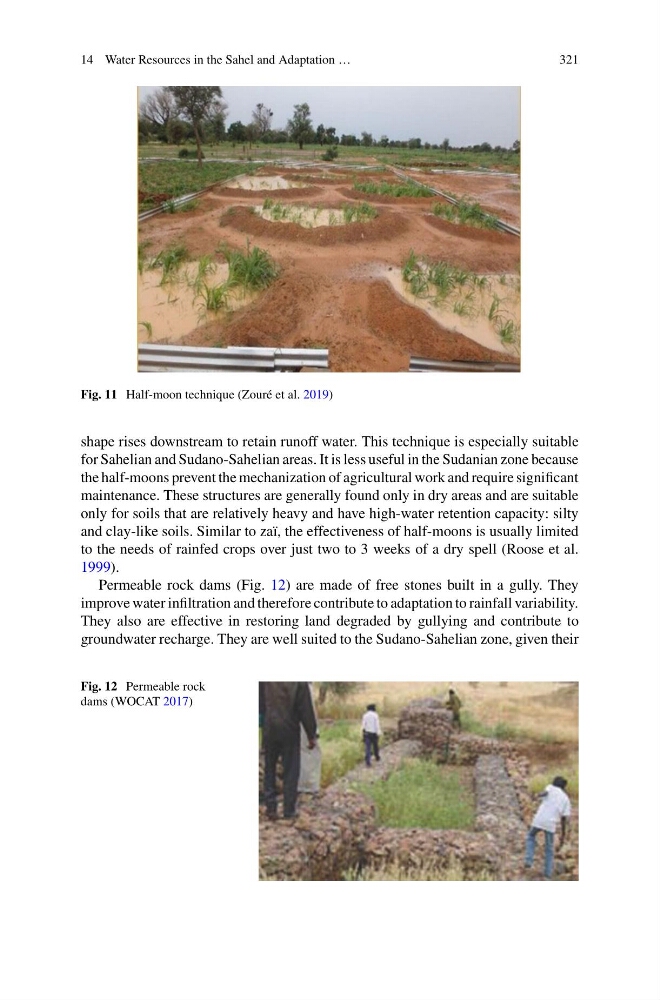
Fig. 11 Half-moon technique (Zouré et al. 2019)
shape rises downstream to retain runoff water. This technique is especially suitable
for Sahelian and Sudano-Sahelian areas. It is less useful in the Sudanian zone because
the half-moons prevent the mechanization of agricultural work and require significant
maintenance. These structures are generally found only in dry areas and are suitable
only for soils that are relatively heavy and have high-water retention capacity: silty
and clay-like soils. Similar to zaï, the effectiveness of half-moons is usually limited
to the needs of rainfed crops over just two to 3 weeks of a dry spell (Roose et al.
1999).
Permeable rock dams (Fig. 12) are made of free stones built in a gully. They
improve water infiltration and therefore contribute to adaptation to rainfall variability.
They also are effective in restoring land degraded by gullying and contribute to
groundwater recharge. They are well suited to the Sudano-Sahelian zone, given their
Fig. 12 Permeable rock
dams (WOCAT 2017)
321
Fig. 11 Half-moon technique (Zouré et al. 2019)
shape rises downstream to retain runoff water. This technique is especially suitable
for Sahelian and Sudano-Sahelian areas. It is less useful in the Sudanian zone because
the half-moons prevent the mechanization of agricultural work and require significant
maintenance. These structures are generally found only in dry areas and are suitable
only for soils that are relatively heavy and have high-water retention capacity: silty
and clay-like soils. Similar to zaï, the effectiveness of half-moons is usually limited
to the needs of rainfed crops over just two to 3 weeks of a dry spell (Roose et al.
1999).
Permeable rock dams (Fig. 12) are made of free stones built in a gully. They
improve water infiltration and therefore contribute to adaptation to rainfall variability.
They also are effective in restoring land degraded by gullying and contribute to
groundwater recharge. They are well suited to the Sudano-Sahelian zone, given their
Fig. 12 Permeable rock
dams (WOCAT 2017)