

1 3
Topics in Current Chemistry (2018) 376:45
radicals derived from isopropanol and 1,3-dioxolane were generated under solar
irradiation in the presence of disodium benzophenodisulfonate (BPSS), a watersoluble benzophenone derivative, and subsequently trapped by electron-poor olefins
(Scheme 4). Unfortunately, the absorption window of this photocatalyst is limited
to UV-A (about 360 nm), resulting in an inefficient use of the solar spectrum. For
example, 14 h of irradiation over 3 days were needed to obtain 14 g of terebic acid
(89 mmol) in 75% isolated yield. This resulted in a productivity of 32 mmol m
−2 h
−1
.
However, reaction times were comparable with those obtained with a 125 W mercury lamp. Finally, due to the optically concentrating nature of the SOLFIN reactor,
it was observed that in cloudy weather conditions the reaction progress was significantly reduced.
Similarly, in the SOLFIN, another light-limited photochemical reaction was
performed by Albini and co-workers [22]. In this case, a titanium dioxide slurry
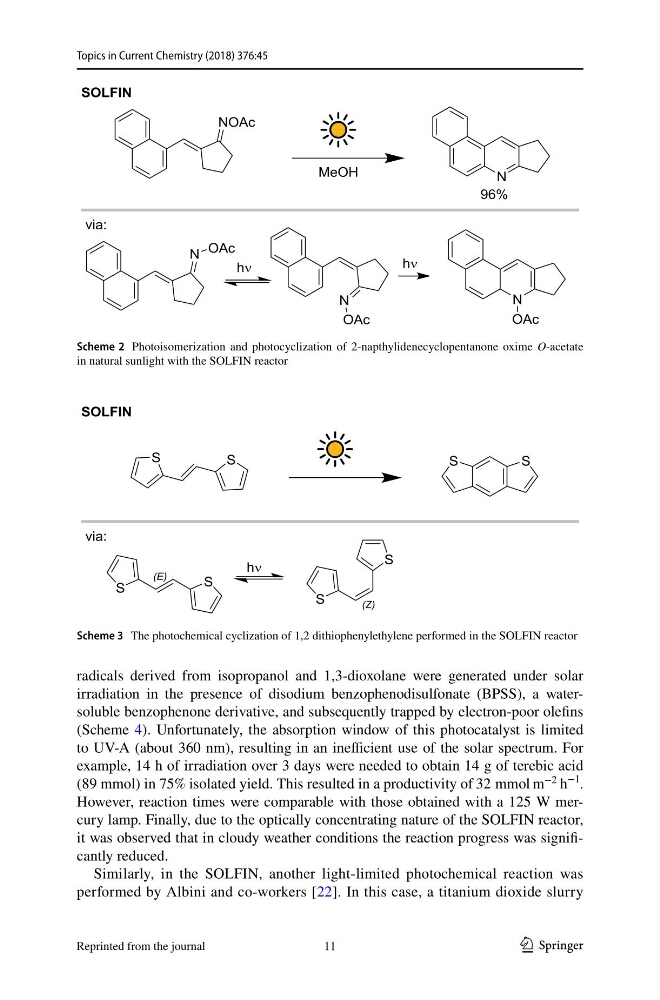
Scheme 2 Photoisomerization and photocyclization of 2-napthylidenecyclopentanone oxime O-acetate
in natural sunlight with the SOLFIN reactor
Scheme 3 The photochemical cyclization of 1,2 dithiophenylethylene performed in the SOLFIN reactor
11
Reprinted from the journal
Topics in Current Chemistry (2018) 376:45
radicals derived from isopropanol and 1,3-dioxolane were generated under solar
irradiation in the presence of disodium benzophenodisulfonate (BPSS), a watersoluble benzophenone derivative, and subsequently trapped by electron-poor olefins
(Scheme 4). Unfortunately, the absorption window of this photocatalyst is limited
to UV-A (about 360 nm), resulting in an inefficient use of the solar spectrum. For
example, 14 h of irradiation over 3 days were needed to obtain 14 g of terebic acid
(89 mmol) in 75% isolated yield. This resulted in a productivity of 32 mmol m
−2 h
−1
.
However, reaction times were comparable with those obtained with a 125 W mercury lamp. Finally, due to the optically concentrating nature of the SOLFIN reactor,
it was observed that in cloudy weather conditions the reaction progress was significantly reduced.
Similarly, in the SOLFIN, another light-limited photochemical reaction was
performed by Albini and co-workers [22]. In this case, a titanium dioxide slurry
Scheme 2 Photoisomerization and photocyclization of 2-napthylidenecyclopentanone oxime O-acetate
in natural sunlight with the SOLFIN reactor
Scheme 3 The photochemical cyclization of 1,2 dithiophenylethylene performed in the SOLFIN reactor
11
Reprinted from the journal