

absence of water ice absorption bands at 1.5, 2.0 and 3.0 μm. Unambiguous
detections were finally made by combining imaging observations of bright clusters
of material with infrared spectra (Pommerol et al. 2015; Barucci et al. 2016;
Filacchione et al. 2016a).
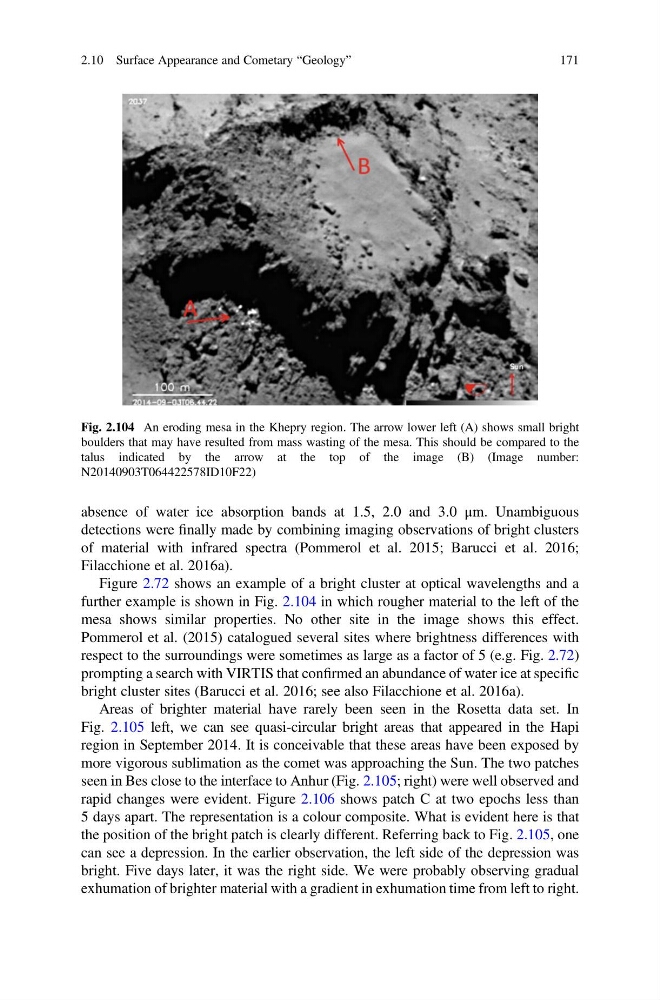
Figure 2.72 shows an example of a bright cluster at optical wavelengths and a
further example is shown in Fig. 2.104 in which rougher material to the left of the
mesa shows similar properties. No other site in the image shows this effect.
Pommerol et al. (2015) catalogued several sites where brightness differences with
respect to the surroundings were sometimes as large as a factor of 5 (e.g. Fig. 2.72)
prompting a search with VIRTIS that confirmed an abundance of water ice at specific
bright cluster sites (Barucci et al. 2016; see also Filacchione et al. 2016a).
Areas of brighter material have rarely been seen in the Rosetta data set. In
Fig. 2.105 left, we can see quasi-circular bright areas that appeared in the Hapi
region in September 2014. It is conceivable that these areas have been exposed by
more vigorous sublimation as the comet was approaching the Sun. The two patches
seen in Bes close to the interface to Anhur (Fig. 2.105; right) were well observed and
rapid changes were evident. Figure 2.106 shows patch C at two epochs less than
5 days apart. The representation is a colour composite. What is evident here is that
the position of the bright patch is clearly different. Referring back to Fig. 2.105, one
can see a depression. In the earlier observation, the left side of the depression was
bright. Five days later, it was the right side. We were probably observing gradual
exhumation of brighter material with a gradient in exhumation time from left to right.
Fig. 2.104 An eroding mesa in the Khepry region. The arrow lower left (A) shows small bright
boulders that may have resulted from mass wasting of the mesa. This should be compared to the
talus indicated by the arrow at the top of the image (B) (Image number:
N20140903T064422578ID10F22)
2.10 Surface Appearance and Cometary “Geology”
171
detections were finally made by combining imaging observations of bright clusters
of material with infrared spectra (Pommerol et al. 2015; Barucci et al. 2016;
Filacchione et al. 2016a).
Figure 2.72 shows an example of a bright cluster at optical wavelengths and a
further example is shown in Fig. 2.104 in which rougher material to the left of the
mesa shows similar properties. No other site in the image shows this effect.
Pommerol et al. (2015) catalogued several sites where brightness differences with
respect to the surroundings were sometimes as large as a factor of 5 (e.g. Fig. 2.72)
prompting a search with VIRTIS that confirmed an abundance of water ice at specific
bright cluster sites (Barucci et al. 2016; see also Filacchione et al. 2016a).
Areas of brighter material have rarely been seen in the Rosetta data set. In
Fig. 2.105 left, we can see quasi-circular bright areas that appeared in the Hapi
region in September 2014. It is conceivable that these areas have been exposed by
more vigorous sublimation as the comet was approaching the Sun. The two patches
seen in Bes close to the interface to Anhur (Fig. 2.105; right) were well observed and
rapid changes were evident. Figure 2.106 shows patch C at two epochs less than
5 days apart. The representation is a colour composite. What is evident here is that
the position of the bright patch is clearly different. Referring back to Fig. 2.105, one
can see a depression. In the earlier observation, the left side of the depression was
bright. Five days later, it was the right side. We were probably observing gradual
exhumation of brighter material with a gradient in exhumation time from left to right.
Fig. 2.104 An eroding mesa in the Khepry region. The arrow lower left (A) shows small bright
boulders that may have resulted from mass wasting of the mesa. This should be compared to the
talus indicated by the arrow at the top of the image (B) (Image number:
N20140903T064422578ID10F22)
2.10 Surface Appearance and Cometary “Geology”
171