

27.4 Formation of Peat Swamps in Narathiwat
The formation of swamps in Narathiwat Province is closely related to the
geomorphologic phenomena of the emergent shoreline. During the period of
3000–7000 B.P., the sea began to regress which led to the development of lagoons
and beaches due to progradation. In addition, some main streams also emerged into
the tidal flat system, forming unique back swamps between the lower stretches of the
main river courses. Once the lagoons and back swamps were closed, the water
became stagnant and the sediments settled down. Dilution of the sea water by rain
was favorable for the development of herbaceous water-loving plants. Once sufficient organic residues were accumulated and the swamp became shallower, the
native plants gradually developed into mixed swamp forest. Finally, the whole
swamp was occupied by the typical fresh-water swamp forest species consisting of
more than 100 genera of trees, palms, climbers, herbs, ferns, sedges, and reeds
Vijarnsorn and Liengsakul (1987).
Pollen analysis indicated that the early natural vegetation was comparable to the
herbaceous or marshy type (Hastings 1983). Once sufficient organic residues had
accumulated, the swamps became shallow. The native plants were gradually
transformed into a mixed swamp forest, and at last, into a tropical swamp forest. It
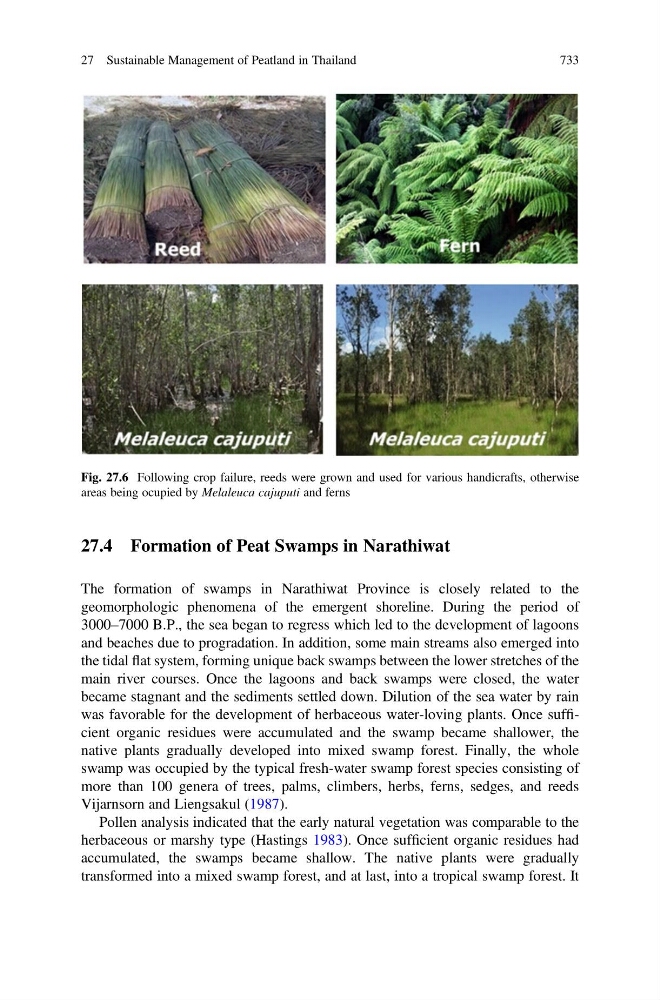
Fig. 27.6 Following crop failure, reeds were grown and used for various handicrafts, otherwise
areas being ocupied by Melaleuca cajuputi and ferns
27 Sustainable Management of Peatland in Thailand
733