

Sumatra and Borneo. Rivers in peatland areas often have a higher degree of
endemism for fish species and are an important source of aquarium fish, including
the endangered Arowana as well as a range of fighting fish (Betta spp.) (Parish et al.
2019b). A total of 124 species of fish have been recorded in North Selangor Peat
Swamp Forest in Peninsular Malaysia including 80 acid/blackwater species, six
newly described species and three endemic species found only in that site. Some
fish species have very limited distribution such as Parosphromenus tweediei and
Betta omega which have only been recorded from small remnants of PSF in oil palm
estates in Johor state (Balzer 2020).
As of 2015, more than 1.5 million ha of peatlands in Malaysia have been
developed for oil palm, agriculture and urban areas (Tables 26.2 and 26.3)
(Miettinen et al. 2016).
Malaysia is one of the world’s largest producers and exporters of palm oil with
approximately 50% share of world palm oil production and 61% of exports. There
are five million ha or 15% of the total land in Malaysia planted with oil palm, while
an estimated 21% is planted on peat. The extent of oil palm on peat in Malaysia is
summarised in Table 26.4.
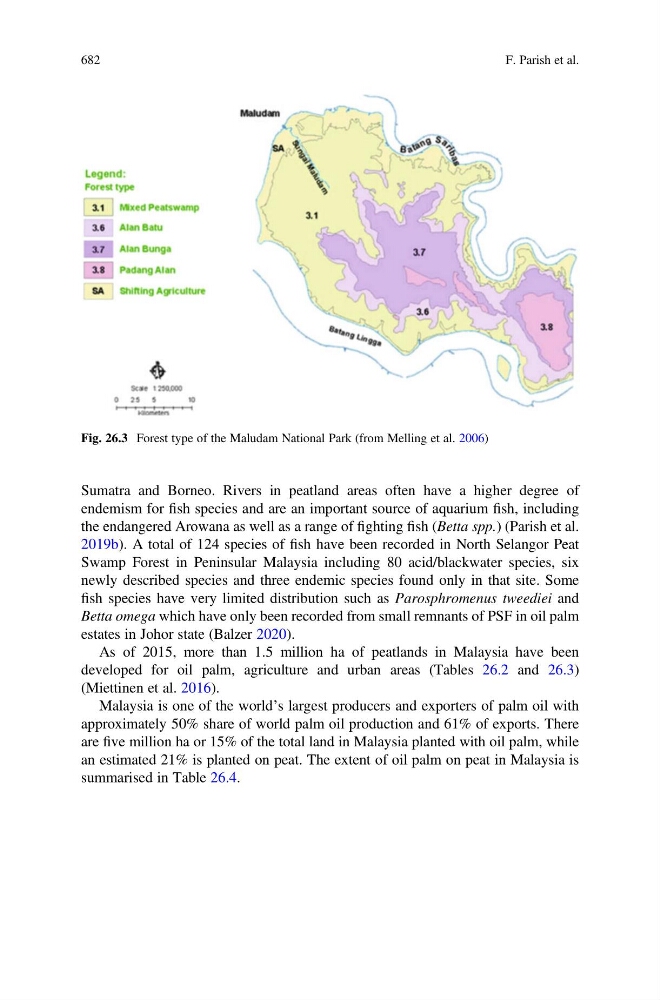
Fig. 26.3 Forest type of the Maludam National Park (from Melling et al. 2006)
682
F. Parish et al.