

edible mycorrhizal mushroom is that it can improve the biodiversity of mycorrhizae
of degraded peatland. It is hoped that a mycorrhizal city is established underground
of forest floor. They can help absorb and keep carbon deposit underground in the
rhizosphere of mycorrhizal city. They also contribute to store and distribute carbon
to other microbe communities, and they can help in the mitigation of global climate
change processes on earth (Pickles et al. 2012).
It is sufficient to carry out the inoculation process of ECM and AM fungi once in
an AeroHydro Culture package. The dose of inoculant given is indeed greater in field
conditions than in nursery conditions. For example, AM fungi inoculants can be
given at 100–200 g per forest tree; it is expected that AM fungi spores or mycelia can
communicate with new young roots in the initial process of colonization. This
process is certainly not obstacle free. In the rhizosphere, there are too many complex
microorganisms that function as saprophytes, pathogens, and decomposers, which
can interfere with the initial process of colonization of AM fungi. It is hoped that the
use of AM fungi consortium as well as the role of PGPR microbes can support the
success of inoculation process. The AeroHydro culture technique provides a positive
prospect as a way of improving the function of forest plants’ roots in conditions
where the water table is always flooded (Fig. 8.5).
a
b
c
d
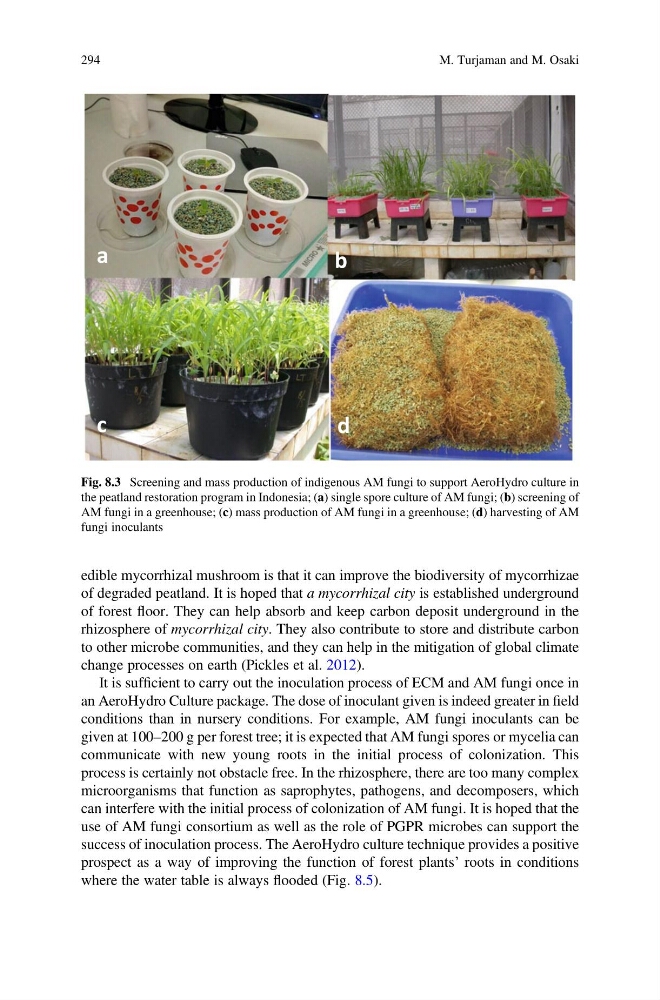
Fig. 8.3 Screening and mass production of indigenous AM fungi to support AeroHydro culture in
the peatland restoration program in Indonesia; (a) single spore culture of AM fungi; (b) screening of
AM fungi in a greenhouse; (c) mass production of AM fungi in a greenhouse; (d) harvesting of AM
fungi inoculants
294
M. Turjaman and M. Osaki
of degraded peatland. It is hoped that a mycorrhizal city is established underground
of forest floor. They can help absorb and keep carbon deposit underground in the
rhizosphere of mycorrhizal city. They also contribute to store and distribute carbon
to other microbe communities, and they can help in the mitigation of global climate
change processes on earth (Pickles et al. 2012).
It is sufficient to carry out the inoculation process of ECM and AM fungi once in
an AeroHydro Culture package. The dose of inoculant given is indeed greater in field
conditions than in nursery conditions. For example, AM fungi inoculants can be
given at 100–200 g per forest tree; it is expected that AM fungi spores or mycelia can
communicate with new young roots in the initial process of colonization. This
process is certainly not obstacle free. In the rhizosphere, there are too many complex
microorganisms that function as saprophytes, pathogens, and decomposers, which
can interfere with the initial process of colonization of AM fungi. It is hoped that the
use of AM fungi consortium as well as the role of PGPR microbes can support the
success of inoculation process. The AeroHydro culture technique provides a positive
prospect as a way of improving the function of forest plants’ roots in conditions
where the water table is always flooded (Fig. 8.5).
a
b
c
d
Fig. 8.3 Screening and mass production of indigenous AM fungi to support AeroHydro culture in
the peatland restoration program in Indonesia; (a) single spore culture of AM fungi; (b) screening of
AM fungi in a greenhouse; (c) mass production of AM fungi in a greenhouse; (d) harvesting of AM
fungi inoculants
294
M. Turjaman and M. Osaki