

• Banana shoot
• Coconuts fiber
• Kenaf or industrial hemp
7.4.3.1 Biochar
Biochar, which is a charcoal made through the pyrolysis of biomass, is the best
material to apply to peat soil for remediation purposes as well as to mitigate peat
degradation. Adding biochar to soil restores and maintains soil fertility (Laird and
Koskinen 2008) mainly by increasing its CEC and microorganism activity as well as
improving its water- and nutrient-holding capacity (Santi and Goenadi 2010a, b;
Santi 2017). Since biochar can sequester carbon in the soil for hundreds to thousands
of years (Winsley 2007), it is considered to be an ideal tool for slowing global
warming. As peat is a good material for biochar and only a small amount is required
to make biochar by pyrolysis, biochar usage is expected to help conserve precious
peat resources in the future.
Another research group reported changes in the chemical properties of soil and
increased crop yields after applying bark charcoal of Acacia mangium developed
from pulp waste (Yamato et al. 2006). Biochar has been applied as a soil amendment
for the cultivation of maize, cowpea, and peanut in Sumatra, Indonesia. The yields of
maize and peanut increased significantly after charcoal application to the infertile
acidic soil; in addition, the amount of roots and colonization rate of mycorrhizae
increased, especially in maize crops. Root nodule formation in leguminous plants
Inoculation of Ectomycorrhizae
TR.1
TR.2
TR.3
TR.4
control
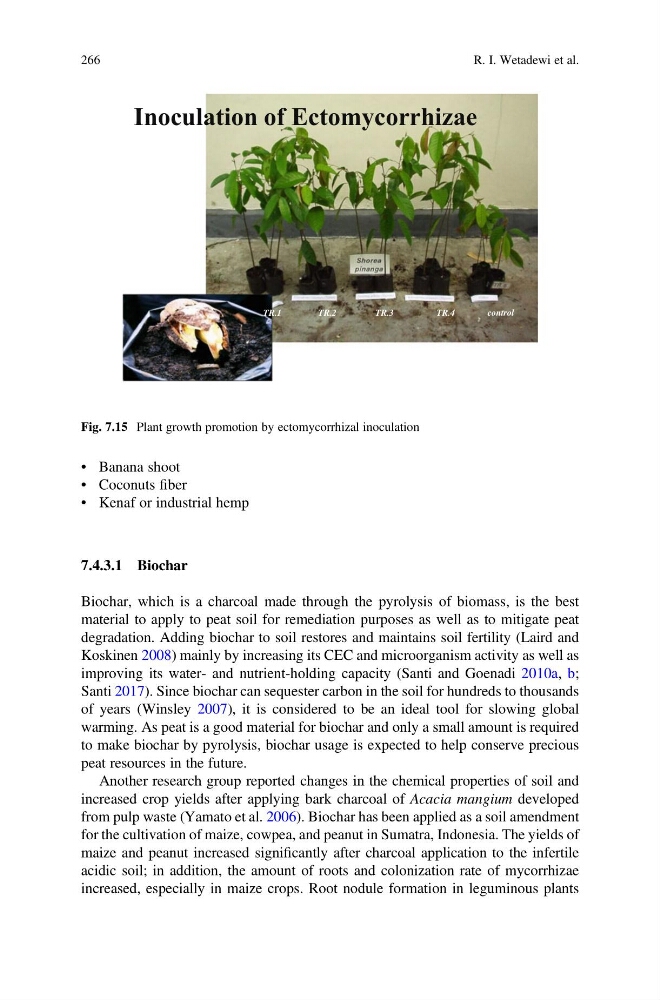
Fig. 7.15 Plant growth promotion by ectomycorrhizal inoculation
266
R. I. Wetadewi et al.
• Coconuts fiber
• Kenaf or industrial hemp
7.4.3.1 Biochar
Biochar, which is a charcoal made through the pyrolysis of biomass, is the best
material to apply to peat soil for remediation purposes as well as to mitigate peat
degradation. Adding biochar to soil restores and maintains soil fertility (Laird and
Koskinen 2008) mainly by increasing its CEC and microorganism activity as well as
improving its water- and nutrient-holding capacity (Santi and Goenadi 2010a, b;
Santi 2017). Since biochar can sequester carbon in the soil for hundreds to thousands
of years (Winsley 2007), it is considered to be an ideal tool for slowing global
warming. As peat is a good material for biochar and only a small amount is required
to make biochar by pyrolysis, biochar usage is expected to help conserve precious
peat resources in the future.
Another research group reported changes in the chemical properties of soil and
increased crop yields after applying bark charcoal of Acacia mangium developed
from pulp waste (Yamato et al. 2006). Biochar has been applied as a soil amendment
for the cultivation of maize, cowpea, and peanut in Sumatra, Indonesia. The yields of
maize and peanut increased significantly after charcoal application to the infertile
acidic soil; in addition, the amount of roots and colonization rate of mycorrhizae
increased, especially in maize crops. Root nodule formation in leguminous plants
Inoculation of Ectomycorrhizae
TR.1
TR.2
TR.3
TR.4
control
Fig. 7.15 Plant growth promotion by ectomycorrhizal inoculation
266
R. I. Wetadewi et al.