

high via preparing through greener approach. The formed particles have displayed
higher biocompatibility and lower toxicity towards the living system and act as an
efficient material in biomedical applications.
The fabrication of C-dots via using the small biomolecules has involved intermolecular condensation phenomena followed via polymerization of small
biomolecules. These condensed biopolymers are then subjected to carbonization
process to form nano sized carbon dots. In certain synthetic methods, the surface of
the C-dots is functionalized via using different types of templating agents (Namdari
et al. 2017). These surface modifiers have direct effect over the optical and emission
properties of C-dots. The solubility of the formed C-dots is also affected by
employing the different types of coating agents. The utilization of small
biomolecules has the tendency to provide the homogenous particles of carbon with
better control over the size (Peng et al. 2017). The conversion of plants and waste to
C-dots has led high temperature methodologies. The conversion biomass has
required the more extent of disintegration of bigger intermediates to C-dots (Tadesse
et al. 2018; Liu et al. 2014; Kumar et al. 2017). The existence of different type of
functional groups in these moieties has provided the extra coating over the
nanoparticles and restricted their growth. As a result, no additional kind of surface
modifiers is required in the synthesis of C-dots. The conversion of natural herbs to
highly fluorescent C-dots has also created revolution in the synthesis of
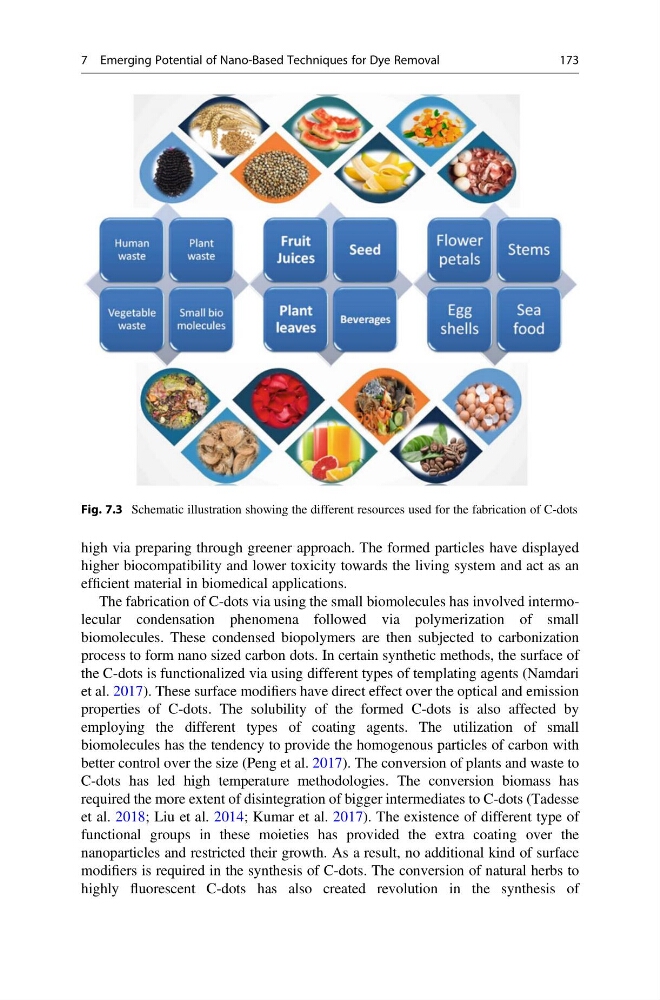
Fig. 7.3 Schematic illustration showing the different resources used for the fabrication of C-dots
7 Emerging Potential of Nano-Based Techniques for Dye Removal
173
higher biocompatibility and lower toxicity towards the living system and act as an
efficient material in biomedical applications.
The fabrication of C-dots via using the small biomolecules has involved intermolecular condensation phenomena followed via polymerization of small
biomolecules. These condensed biopolymers are then subjected to carbonization
process to form nano sized carbon dots. In certain synthetic methods, the surface of
the C-dots is functionalized via using different types of templating agents (Namdari
et al. 2017). These surface modifiers have direct effect over the optical and emission
properties of C-dots. The solubility of the formed C-dots is also affected by
employing the different types of coating agents. The utilization of small
biomolecules has the tendency to provide the homogenous particles of carbon with
better control over the size (Peng et al. 2017). The conversion of plants and waste to
C-dots has led high temperature methodologies. The conversion biomass has
required the more extent of disintegration of bigger intermediates to C-dots (Tadesse
et al. 2018; Liu et al. 2014; Kumar et al. 2017). The existence of different type of
functional groups in these moieties has provided the extra coating over the
nanoparticles and restricted their growth. As a result, no additional kind of surface
modifiers is required in the synthesis of C-dots. The conversion of natural herbs to
highly fluorescent C-dots has also created revolution in the synthesis of
Fig. 7.3 Schematic illustration showing the different resources used for the fabrication of C-dots
7 Emerging Potential of Nano-Based Techniques for Dye Removal
173