

10 Development of New Cellulosic Fibers and Composites …
249
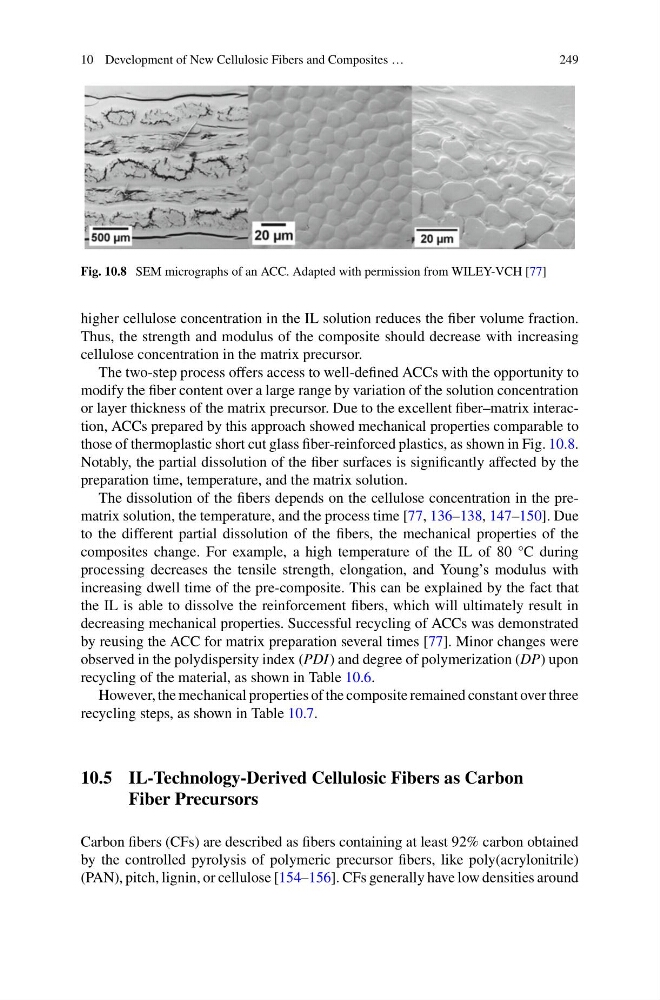
Fig. 10.8 SEM micrographs of an ACC. Adapted with permission from WILEY-VCH [77]
higher cellulose concentration in the IL solution reduces the fiber volume fraction.
Thus, the strength and modulus of the composite should decrease with increasing
cellulose concentration in the matrix precursor.
The two-step process offers access to well-defined ACCs with the opportunity to
modify the fiber content over a large range by variation of the solution concentration
or layer thickness of the matrix precursor. Due to the excellent fiber–matrix interaction, ACCs prepared by this approach showed mechanical properties comparable to
those of thermoplastic short cut glass fiber-reinforced plastics, as shown in Fig. 10.8.
Notably, the partial dissolution of the fiber surfaces is significantly affected by the
preparation time, temperature, and the matrix solution.
The dissolution of the fibers depends on the cellulose concentration in the prematrix solution, the temperature, and the process time [77, 136–138, 147–150]. Due
to the different partial dissolution of the fibers, the mechanical properties of the
composites change. For example, a high temperature of the IL of 80 °C during
processing decreases the tensile strength, elongation, and Young’s modulus with
increasing dwell time of the pre-composite. This can be explained by the fact that
the IL is able to dissolve the reinforcement fibers, which will ultimately result in
decreasing mechanical properties. Successful recycling of ACCs was demonstrated
by reusing the ACC for matrix preparation several times [77]. Minor changes were
observed in the polydispersity index (PDI) and degree of polymerization (DP) upon
recycling of the material, as shown in Table 10.6.
However, the mechanical properties of the composite remained constant over three
recycling steps, as shown in Table 10.7.
10.5 IL-Technology-Derived Cellulosic Fibers as Carbon
Fiber Precursors
Carbon fibers (CFs) are described as fibers containing at least 92% carbon obtained
by the controlled pyrolysis of polymeric precursor fibers, like poly(acrylonitrile)
(PAN), pitch, lignin, or cellulose [154–156]. CFs generally have low densities around
249
Fig. 10.8 SEM micrographs of an ACC. Adapted with permission from WILEY-VCH [77]
higher cellulose concentration in the IL solution reduces the fiber volume fraction.
Thus, the strength and modulus of the composite should decrease with increasing
cellulose concentration in the matrix precursor.
The two-step process offers access to well-defined ACCs with the opportunity to
modify the fiber content over a large range by variation of the solution concentration
or layer thickness of the matrix precursor. Due to the excellent fiber–matrix interaction, ACCs prepared by this approach showed mechanical properties comparable to
those of thermoplastic short cut glass fiber-reinforced plastics, as shown in Fig. 10.8.
Notably, the partial dissolution of the fiber surfaces is significantly affected by the
preparation time, temperature, and the matrix solution.
The dissolution of the fibers depends on the cellulose concentration in the prematrix solution, the temperature, and the process time [77, 136–138, 147–150]. Due
to the different partial dissolution of the fibers, the mechanical properties of the
composites change. For example, a high temperature of the IL of 80 °C during
processing decreases the tensile strength, elongation, and Young’s modulus with
increasing dwell time of the pre-composite. This can be explained by the fact that
the IL is able to dissolve the reinforcement fibers, which will ultimately result in
decreasing mechanical properties. Successful recycling of ACCs was demonstrated
by reusing the ACC for matrix preparation several times [77]. Minor changes were
observed in the polydispersity index (PDI) and degree of polymerization (DP) upon
recycling of the material, as shown in Table 10.6.
However, the mechanical properties of the composite remained constant over three
recycling steps, as shown in Table 10.7.
10.5 IL-Technology-Derived Cellulosic Fibers as Carbon
Fiber Precursors
Carbon fibers (CFs) are described as fibers containing at least 92% carbon obtained
by the controlled pyrolysis of polymeric precursor fibers, like poly(acrylonitrile)
(PAN), pitch, lignin, or cellulose [154–156]. CFs generally have low densities around