

Flavonoids, including flavones, isoflavones, and anthocyanidins, are formed by
condensation of phenylpropane (C6–C3) and malonyl CoA molecules, resulting in the
formation of chalcones which subsequently cyclize under acidic conditions (Fig. 6).
Thus, flavonoids have the basic skeleton of diphenylpropanes (C6–C3–C6) with a
different oxidation level of the central pyran ring. This also applies to stilbene, but in
this case, after the introduction of the second phenyl moiety, a carbon atom of
phenylpropane is separated. Stilbenes are powerful fungicides in plants, e.g., viniferine
from vineyards. In the case of flavonoids and isoflavonoids, flavones, flavanones,
flavonols, and flavanonols, as well as flavan 3-ols and related compounds may be
formed depending on the substitution and unsaturation patterns. Flavones and flavonols occur as aglycons in foods. Till now about 200 flavonols and about 100 flavones
have been identified in plants. Flavonols are different from flavones because they have
a hydroxyl group in the 3-position and can be considered as 3-hydroxyflavones [24].
5
Change of Secondary Metabolites in Abiotic Stress
Plant stress is a state of tension caused by the changing conditions of the external and
internal environment that cause a response from the affected organism. During the
growing season, plants are often subjected to a stress of a different nature. Traditional abiotic stress factors for plants are low and high temperatures, drought, excess
soil moisture, poor nutrition, etc., which greatly influence the formation of yields and
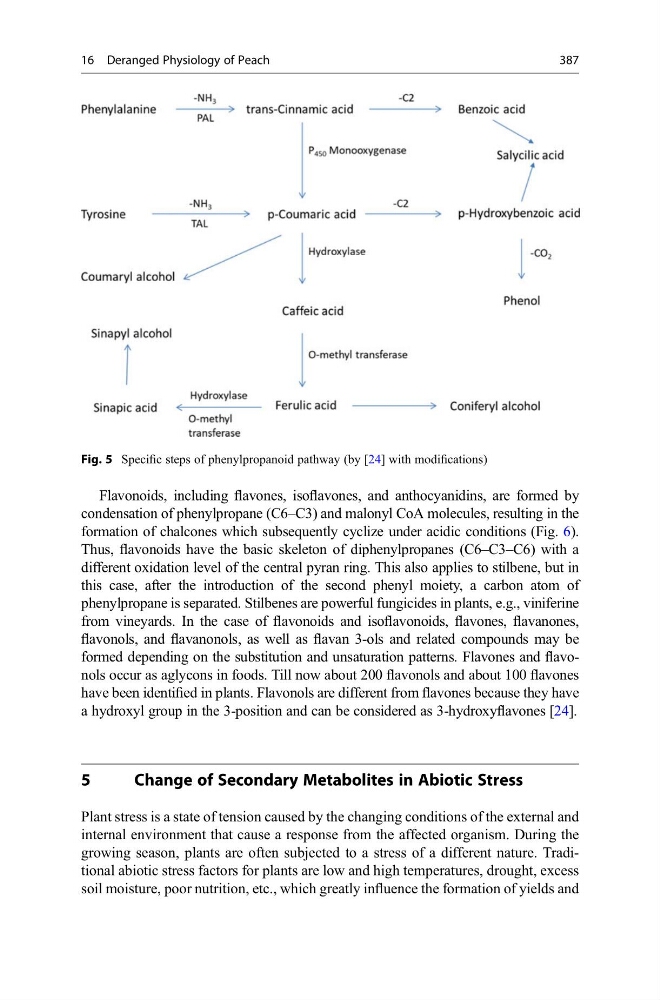
Fig. 5 Specific steps of phenylpropanoid pathway (by [24] with modifications)
16 Deranged Physiology of Peach
387
condensation of phenylpropane (C6–C3) and malonyl CoA molecules, resulting in the
formation of chalcones which subsequently cyclize under acidic conditions (Fig. 6).
Thus, flavonoids have the basic skeleton of diphenylpropanes (C6–C3–C6) with a
different oxidation level of the central pyran ring. This also applies to stilbene, but in
this case, after the introduction of the second phenyl moiety, a carbon atom of
phenylpropane is separated. Stilbenes are powerful fungicides in plants, e.g., viniferine
from vineyards. In the case of flavonoids and isoflavonoids, flavones, flavanones,
flavonols, and flavanonols, as well as flavan 3-ols and related compounds may be
formed depending on the substitution and unsaturation patterns. Flavones and flavonols occur as aglycons in foods. Till now about 200 flavonols and about 100 flavones
have been identified in plants. Flavonols are different from flavones because they have
a hydroxyl group in the 3-position and can be considered as 3-hydroxyflavones [24].
5
Change of Secondary Metabolites in Abiotic Stress
Plant stress is a state of tension caused by the changing conditions of the external and
internal environment that cause a response from the affected organism. During the
growing season, plants are often subjected to a stress of a different nature. Traditional abiotic stress factors for plants are low and high temperatures, drought, excess
soil moisture, poor nutrition, etc., which greatly influence the formation of yields and
Fig. 5 Specific steps of phenylpropanoid pathway (by [24] with modifications)
16 Deranged Physiology of Peach
387