

WD40 proteins (called MBW complex) to activate the genes responsible for the
anthocyanin and proanthocyanidin biosynthesis. The MBW complex usually regulates
groups of flavonoid biosynthetic genes that vary between species. This regulation is via
specific binding to motifs in the promoters of the pathway genes [5].
Phenolic compounds are one of the major classes of secondary metabolites in
plants derived from phenylalanine and, to a lesser extent, in some plants also from
tyrosine (Fig. 4). Chemically, the phenols can be defined as having an aromatic ring
bearing one or more hydroxyl groups including their functional derivatives. The
plants contain a wide variety of phenolic derivatives including simple phenols,
phenylpropanoids, benzoic acid derivatives, flavonoids, stilbene, tannins, lignans,
and lignins. Together with long-chain carboxylic acids, phenols are also components
of suberin and cutin. These quite diverse substances are essential for the growth and
reproduction of plants and also act as antinutritional and antipathogenic agents
[31]. In addition, the phenols function as antibiotics, natural pesticides, symbiosis
signaling agents for nitrogen-fixing bacteria, pollinator attractants, ultraviolet light
protection agents, insulating materials that make cell walls impermeable to gas and
water, and as structural materials that confer stability of the plants [24].
A key enzyme from the phenolic pathway is phenylalanine ammonium lyase
(PAL), which catalyzes the deamination of phenylalanine and leads to the formation
of a carbon–carbon double bond, resulting in trans-cinnamic acid. In some plants and
grasses, tyrosine is converted to 4-hydroxycinnamic acid by the action of tyrosine
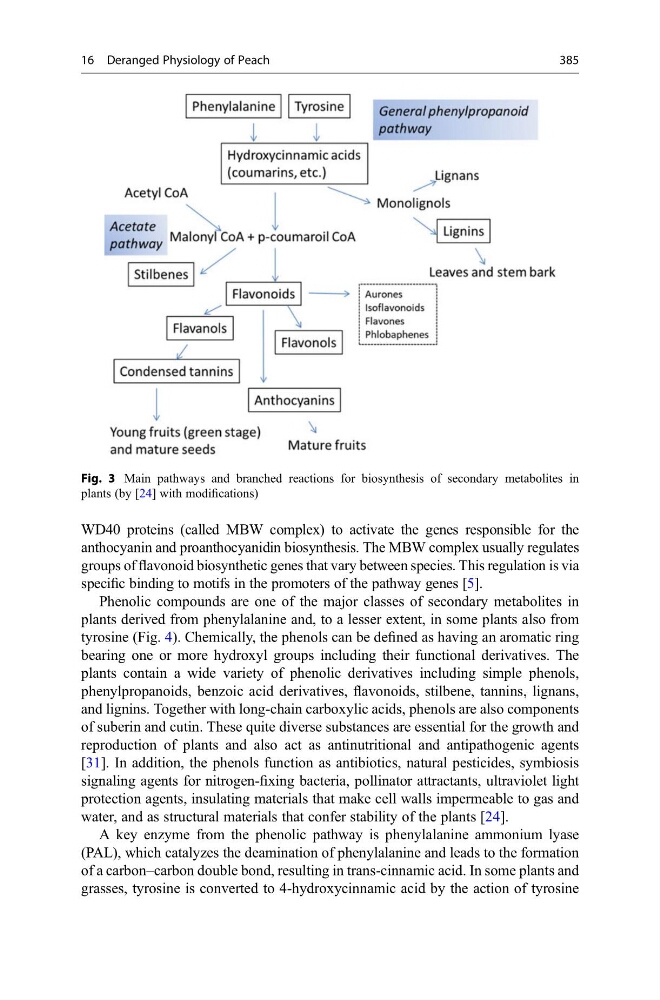
Fig. 3 Main pathways and branched reactions for biosynthesis of secondary metabolites in
plants (by [24] with modifications)
16 Deranged Physiology of Peach
385
anthocyanin and proanthocyanidin biosynthesis. The MBW complex usually regulates
groups of flavonoid biosynthetic genes that vary between species. This regulation is via
specific binding to motifs in the promoters of the pathway genes [5].
Phenolic compounds are one of the major classes of secondary metabolites in
plants derived from phenylalanine and, to a lesser extent, in some plants also from
tyrosine (Fig. 4). Chemically, the phenols can be defined as having an aromatic ring
bearing one or more hydroxyl groups including their functional derivatives. The
plants contain a wide variety of phenolic derivatives including simple phenols,
phenylpropanoids, benzoic acid derivatives, flavonoids, stilbene, tannins, lignans,
and lignins. Together with long-chain carboxylic acids, phenols are also components
of suberin and cutin. These quite diverse substances are essential for the growth and
reproduction of plants and also act as antinutritional and antipathogenic agents
[31]. In addition, the phenols function as antibiotics, natural pesticides, symbiosis
signaling agents for nitrogen-fixing bacteria, pollinator attractants, ultraviolet light
protection agents, insulating materials that make cell walls impermeable to gas and
water, and as structural materials that confer stability of the plants [24].
A key enzyme from the phenolic pathway is phenylalanine ammonium lyase
(PAL), which catalyzes the deamination of phenylalanine and leads to the formation
of a carbon–carbon double bond, resulting in trans-cinnamic acid. In some plants and
grasses, tyrosine is converted to 4-hydroxycinnamic acid by the action of tyrosine
Fig. 3 Main pathways and branched reactions for biosynthesis of secondary metabolites in
plants (by [24] with modifications)
16 Deranged Physiology of Peach
385