

509
3.1.2 Studies over SAPO-11
SAPO-11 is a medium-pore molecular sieve with AEL topology, and it has been
extensively used for fuel production from hydrocarbons (see Table 1). Geng et al.
[52] studied different reaction parameters such as temperature, pressure, WHSV,
and H 2 /HC ratio for hydroisomerization of n-tetradecane over 0.4 wt% Pt-supported
SAPO-11 catalyst. The increase in temperature from 593 to 653 K resulted in escalation in conversion from 10 to 80% with (pressure = 3 MPa, WHSV = 1 h
−1
) with
a slight decrease toward isomer selectivity. To study the effect of pressure, the
authors varied the pressure from 0.5 to 4.5 MPa at 633 K (WHSV = 2 h
−1
). The
increasing pressure decreased the conversion with almost stable selectivity toward
isomerized products. The decrease in the conversion was reported due to negative
reaction order with respect to H 2 . Variation in WHSV did not show any change
toward the selectivity of isomers due to decrease in the contact time of feed with
catalyst surface. With decrease in partial pressure of H 2 in H 2 /HC ratio from 8.5 to
45, a slight decrease in conversion was reported. Hence optimum temperature, pressure, and WHSV resulted in higher conversion; also very slight or no effect was
observed on product distribution. Nieminen et al. [53] studied the effect of source of
silica and synthesis time on 1-butene isomerization. Tridymite phase was obtained
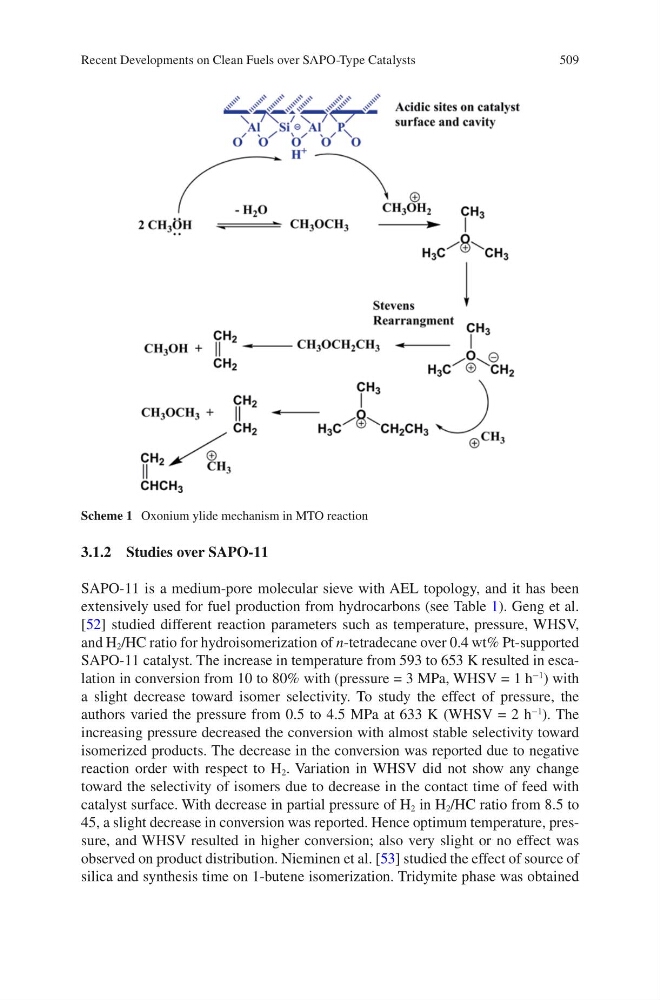
Scheme 1 Oxonium ylide mechanism in MTO reaction
Recent Developments on Clean Fuels over SAPO-Type Catalysts
3.1.2 Studies over SAPO-11
SAPO-11 is a medium-pore molecular sieve with AEL topology, and it has been
extensively used for fuel production from hydrocarbons (see Table 1). Geng et al.
[52] studied different reaction parameters such as temperature, pressure, WHSV,
and H 2 /HC ratio for hydroisomerization of n-tetradecane over 0.4 wt% Pt-supported
SAPO-11 catalyst. The increase in temperature from 593 to 653 K resulted in escalation in conversion from 10 to 80% with (pressure = 3 MPa, WHSV = 1 h
−1
) with
a slight decrease toward isomer selectivity. To study the effect of pressure, the
authors varied the pressure from 0.5 to 4.5 MPa at 633 K (WHSV = 2 h
−1
). The
increasing pressure decreased the conversion with almost stable selectivity toward
isomerized products. The decrease in the conversion was reported due to negative
reaction order with respect to H 2 . Variation in WHSV did not show any change
toward the selectivity of isomers due to decrease in the contact time of feed with
catalyst surface. With decrease in partial pressure of H 2 in H 2 /HC ratio from 8.5 to
45, a slight decrease in conversion was reported. Hence optimum temperature, pressure, and WHSV resulted in higher conversion; also very slight or no effect was
observed on product distribution. Nieminen et al. [53] studied the effect of source of
silica and synthesis time on 1-butene isomerization. Tridymite phase was obtained
Scheme 1 Oxonium ylide mechanism in MTO reaction
Recent Developments on Clean Fuels over SAPO-Type Catalysts