

389
alkylate gasoline commercially. But various other catalysts are employed in the
commercial production of ethylbenzene, cumene, and long-chain (C12 to C16)
alkylated benzenes.
1.9 Blending
The last major step in the refining process is blending of various streams together to
obtain desired finished petroleum products. As an example, reformate, alkylate, and
catalytically cracked gasoline are blended into different fractions to produce the
various grades of motor fuels. The refineries blend different fractions for meeting
the required specifications for acceptable motor fuel performance. Refiners can also
mix in the various property-enhancing materials like octane enhancers, antioxidants, anti-knock agents, metal deactivators, and rust inhibitors in their hydrocarbon streams.
2 Zeolites
Over 50 years, zeolites are the backbone of the petrochemical and refining industry.
These have been exploited prominently as heterogeneous catalysts and separation
materials in refineries. But still their applications continue to expand due to their
extraordinary flexibility of pore size distribution, shape selectivity, stability, etc
[25]. To meet present environmental policy and regulations, the refining and petrochemical industries have focused on the production of cleaner and higher quality
oils and lubricants, and cheaper petrochemicals by using new zeolites and mesoporous materials as well as on the improvements of the conventional zeolites.
Advancements of the zeolitic materials can be attained by enhancing the
CHARGE
NAPHTHA
HEATERS AND REACTORS
925 to 975 °F
925 to 975 °F
925 to 975 °F
100 °F
100 °F
CW
CW
CW
HYDROGEN
SEPARATOR
STABILIZER
REFORMATE
STEAM OR
HOT OIL
GAS
NET HYDROGEN
250 TO 500 PSIG
350 TO 650 PSIG
HYDROGEN RECYCLE
COMPRESSOR
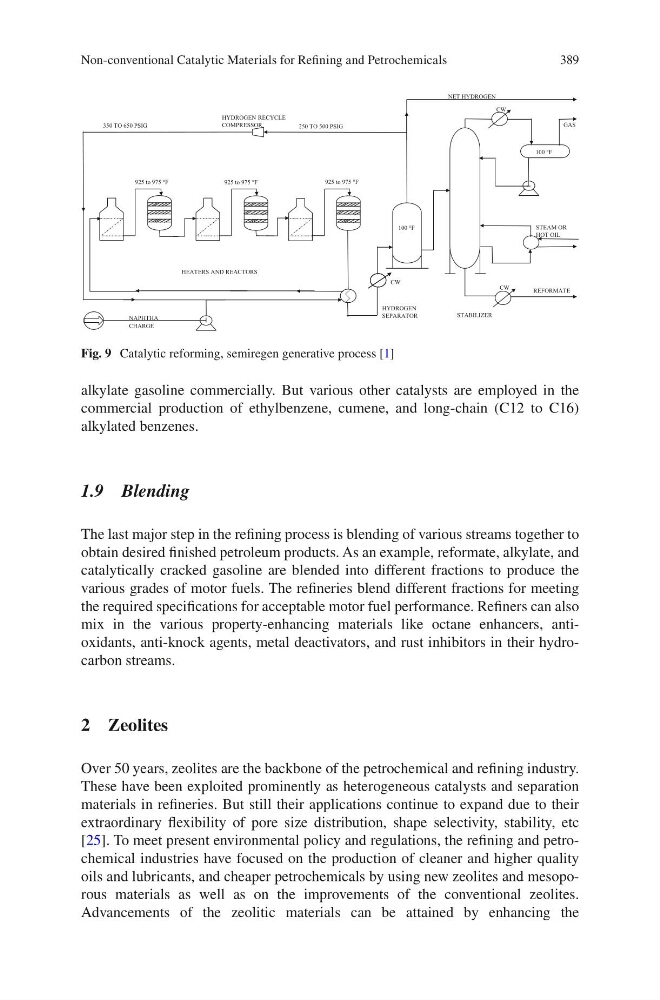
Fig. 9 Catalytic reforming, semiregen generative process [1]
Non-conventional Catalytic Materials for Refining and Petrochemicals
alkylate gasoline commercially. But various other catalysts are employed in the
commercial production of ethylbenzene, cumene, and long-chain (C12 to C16)
alkylated benzenes.
1.9 Blending
The last major step in the refining process is blending of various streams together to
obtain desired finished petroleum products. As an example, reformate, alkylate, and
catalytically cracked gasoline are blended into different fractions to produce the
various grades of motor fuels. The refineries blend different fractions for meeting
the required specifications for acceptable motor fuel performance. Refiners can also
mix in the various property-enhancing materials like octane enhancers, antioxidants, anti-knock agents, metal deactivators, and rust inhibitors in their hydrocarbon streams.
2 Zeolites
Over 50 years, zeolites are the backbone of the petrochemical and refining industry.
These have been exploited prominently as heterogeneous catalysts and separation
materials in refineries. But still their applications continue to expand due to their
extraordinary flexibility of pore size distribution, shape selectivity, stability, etc
[25]. To meet present environmental policy and regulations, the refining and petrochemical industries have focused on the production of cleaner and higher quality
oils and lubricants, and cheaper petrochemicals by using new zeolites and mesoporous materials as well as on the improvements of the conventional zeolites.
Advancements of the zeolitic materials can be attained by enhancing the
CHARGE
NAPHTHA
HEATERS AND REACTORS
925 to 975 °F
925 to 975 °F
925 to 975 °F
100 °F
100 °F
CW
CW
CW
HYDROGEN
SEPARATOR
STABILIZER
REFORMATE
STEAM OR
HOT OIL
GAS
NET HYDROGEN
250 TO 500 PSIG
350 TO 650 PSIG
HYDROGEN RECYCLE
COMPRESSOR
Fig. 9 Catalytic reforming, semiregen generative process [1]
Non-conventional Catalytic Materials for Refining and Petrochemicals