

388
Platinum is the most active material among catalytic reforming catalysts.
However, it is deactivated by compounds like hydrogen sulfide, sulfur compounds,
ammonia, and organic nitrogen [1]. Therefore pre-treatment of the feedstock by
hydrotreating process is required to remove these unwanted materials (Fig. 9).
1.8 Alkylation and Polymerization
The reaction to form heavier isoparaffins by reacting low-molecular-weight olefins
with isoparaffins is termed as alkylation. Concentrated acids such as sulfuric and
hydrofluoric acids are the sole catalysts used for the production of high octane
H 2
MAKE UP
FEED
HEATER
REACTOR
HYDROGEN
SEPARATOR
STRIPPER
DESULFURIZED PRODUCT
STEAM OR HOT OIL
SOUR WATER
C 3 AND LIGHTER TO H 2 S REMOVAL
HYDROGEN RECYCLE
CW
CW
100 °F
100 °F
700 °F TO
800 °F
Fig. 7 Catalytic hydrodesulphurization [1]
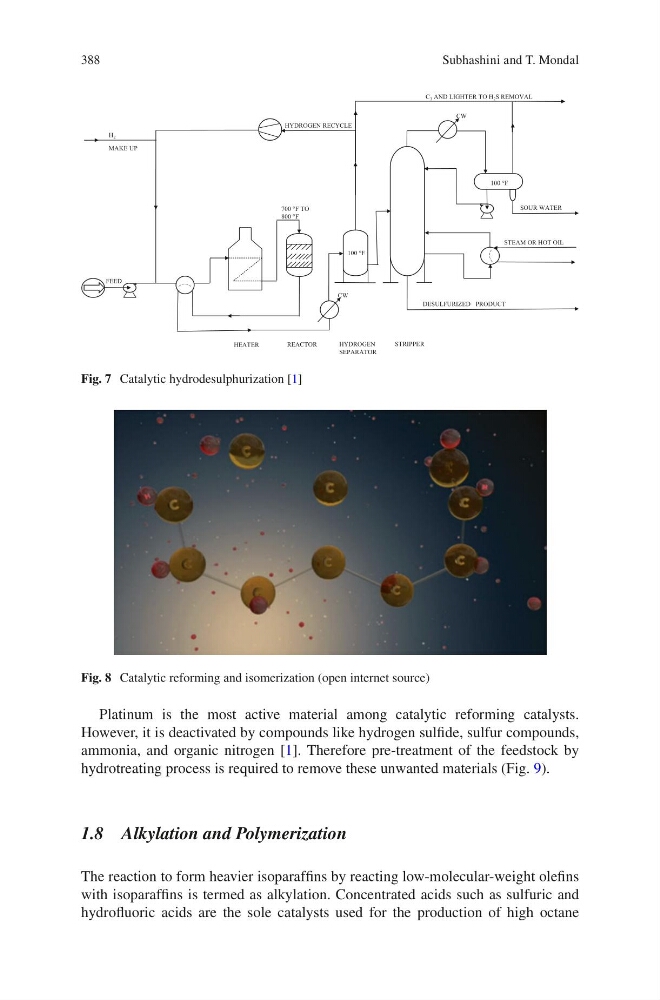
Fig. 8 Catalytic reforming and isomerization (open internet source)
Subhashini and T. Mondal
Platinum is the most active material among catalytic reforming catalysts.
However, it is deactivated by compounds like hydrogen sulfide, sulfur compounds,
ammonia, and organic nitrogen [1]. Therefore pre-treatment of the feedstock by
hydrotreating process is required to remove these unwanted materials (Fig. 9).
1.8 Alkylation and Polymerization
The reaction to form heavier isoparaffins by reacting low-molecular-weight olefins
with isoparaffins is termed as alkylation. Concentrated acids such as sulfuric and
hydrofluoric acids are the sole catalysts used for the production of high octane
H 2
MAKE UP
FEED
HEATER
REACTOR
HYDROGEN
SEPARATOR
STRIPPER
DESULFURIZED PRODUCT
STEAM OR HOT OIL
SOUR WATER
C 3 AND LIGHTER TO H 2 S REMOVAL
HYDROGEN RECYCLE
CW
CW
100 °F
100 °F
700 °F TO
800 °F
Fig. 7 Catalytic hydrodesulphurization [1]
Fig. 8 Catalytic reforming and isomerization (open internet source)
Subhashini and T. Mondal