

387
catalysts because they are extremely selective, easily regenerated, and resistant to
poisons (Fig. 7).
1.7 Catalytic Reforming and Isomerization
Reforming involves rearranging the naphtha hydrocarbons to manufacture gasoline
molecules. This process was developed to increase both the quality and volume of
the gasoline produced by refiners. In the reforming process, the substances which
have higher octane number than paraffin and naphthenes are converted into aromatics and isomers with the help of catalysts. This conversion is usually accompanied
by the hydrogen formation, which can be used in other refining processes like
hydrotreating. Reforming produces higher octane reformates which gives cleaner
burning fuels (Fig. 8).
A catalytic reformer promotes the formation of aromatics and isoparaffins as via
the following desirable reactions:
• Paraffin are isomerized to form naphthenes (to certain extent), then subsequently
converted to aromatics.
• Olefins are saturated to form paraffin.
• Naphthenes are converted to aromatics.
• Aromatics remain unchanged.
HEATER
GUARD
REACTOR
MAIN
REACTORS
H2 RECYCLE
LEAN
AMINE
H2S
ABSORBER
RICH AMINE
L.T. SEP
H.T. SEP.
PRODUCT
FRACTIONATOR
HEAVY OIL
DESULFURISED
DISTILLATE
AND
NAPHTHA
FUEL GAS
HYDROGEN
MAKEUP
FEED
FILTER
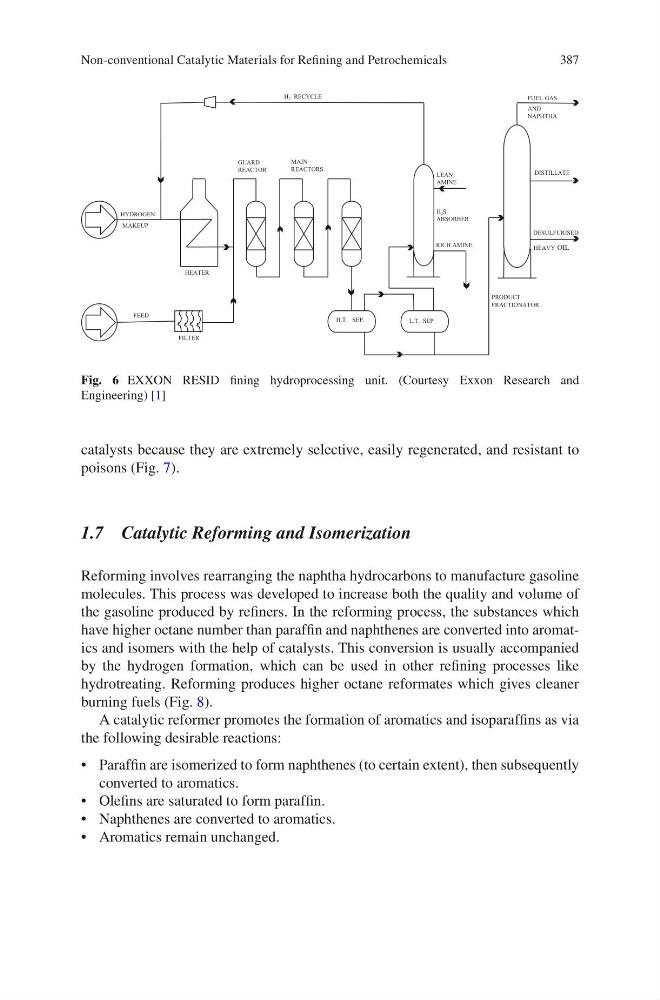
Fig. 6 EXXON RESID fining hydroprocessing unit. (Courtesy Exxon Research and
Engineering) [1]
Non-conventional Catalytic Materials for Refining and Petrochemicals
catalysts because they are extremely selective, easily regenerated, and resistant to
poisons (Fig. 7).
1.7 Catalytic Reforming and Isomerization
Reforming involves rearranging the naphtha hydrocarbons to manufacture gasoline
molecules. This process was developed to increase both the quality and volume of
the gasoline produced by refiners. In the reforming process, the substances which
have higher octane number than paraffin and naphthenes are converted into aromatics and isomers with the help of catalysts. This conversion is usually accompanied
by the hydrogen formation, which can be used in other refining processes like
hydrotreating. Reforming produces higher octane reformates which gives cleaner
burning fuels (Fig. 8).
A catalytic reformer promotes the formation of aromatics and isoparaffins as via
the following desirable reactions:
• Paraffin are isomerized to form naphthenes (to certain extent), then subsequently
converted to aromatics.
• Olefins are saturated to form paraffin.
• Naphthenes are converted to aromatics.
• Aromatics remain unchanged.
HEATER
GUARD
REACTOR
MAIN
REACTORS
H2 RECYCLE
LEAN
AMINE
H2S
ABSORBER
RICH AMINE
L.T. SEP
H.T. SEP.
PRODUCT
FRACTIONATOR
HEAVY OIL
DESULFURISED
DISTILLATE
AND
NAPHTHA
FUEL GAS
HYDROGEN
MAKEUP
FEED
FILTER
Fig. 6 EXXON RESID fining hydroprocessing unit. (Courtesy Exxon Research and
Engineering) [1]
Non-conventional Catalytic Materials for Refining and Petrochemicals