

345
calculations, we modelled the oxidative reforming and optimized the reactor
temperature and O 2 concentration in the feed. Optimization revealed that at
temperatures below 750 °C, no amount of O 2 will eliminate carbon formation (data
not shown). At 750 °C, adding O 2 lowers both carbon formation and H 2 /CO ratio
(Fig. 20). Since the goal is to achieve high H 2 /CO along with low or no carbon
formation oxidative reforming alone is not sufficient. Thus, equilibrium calculations
suggest that we need to modify the process further. By adding H 2 O to the feed we
found that the H 2 /CO ratio increases, while carbon formation decreases (Fig. 21).
These results suggest that carbon formation can be eliminated at lower temperatures,
for example, 550 °C, with the addition of water and oxygen in the feed. The presence
of water and oxygen in the feed corresponds to the tri-reforming reaction. Thus, trireforming has the potential to achieve the objective of no carbon formation and a
value of H 2 /CO ratio that is sufficient for further effective utilization of the syngas.
To achieve carbonless operation and sufficient H 2 /CO ratio, Zhang et al. [44],
through thermodynamic analysis, found that while excessive H 2 O and O 2 amount
results in lower H 2 yield, low concentrations of these reactants in feed causes
excessive carbon formation. The authors [44] further found an optimum reactant
ratio in the feed to have methanol production from syngas, while eliminating carbon
formation. Garcia-Vargas et al. experimentally found that H 2 O and O 2 have a
positive effect on the H 2 /CO ratio [45], in agreement with our experimental and
theoretical findings above. Song et al. [46] modelled the tri-reforming reaction of
methane to achieve high conversion and H 2 /CO ratio. They considered various
ratios of reactants in the feed and found that a ratio of CH 4 :CO 2 :H 2 O:O 2 = 1:0.45:
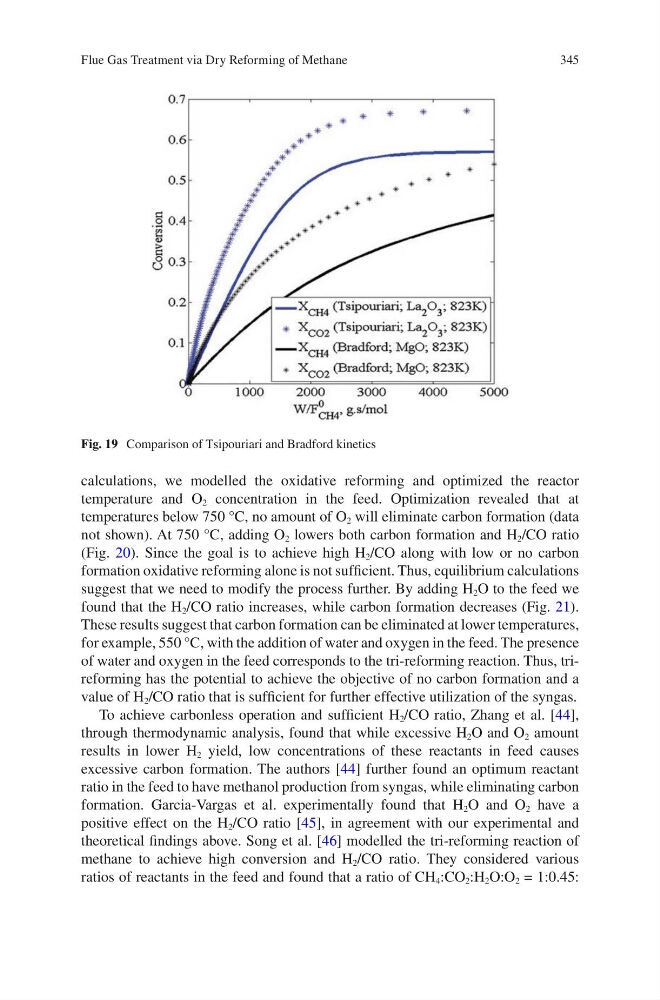
Fig. 19 Comparison of Tsipouriari and Bradford kinetics
Flue Gas Treatment via Dry Reforming of Methane
calculations, we modelled the oxidative reforming and optimized the reactor
temperature and O 2 concentration in the feed. Optimization revealed that at
temperatures below 750 °C, no amount of O 2 will eliminate carbon formation (data
not shown). At 750 °C, adding O 2 lowers both carbon formation and H 2 /CO ratio
(Fig. 20). Since the goal is to achieve high H 2 /CO along with low or no carbon
formation oxidative reforming alone is not sufficient. Thus, equilibrium calculations
suggest that we need to modify the process further. By adding H 2 O to the feed we
found that the H 2 /CO ratio increases, while carbon formation decreases (Fig. 21).
These results suggest that carbon formation can be eliminated at lower temperatures,
for example, 550 °C, with the addition of water and oxygen in the feed. The presence
of water and oxygen in the feed corresponds to the tri-reforming reaction. Thus, trireforming has the potential to achieve the objective of no carbon formation and a
value of H 2 /CO ratio that is sufficient for further effective utilization of the syngas.
To achieve carbonless operation and sufficient H 2 /CO ratio, Zhang et al. [44],
through thermodynamic analysis, found that while excessive H 2 O and O 2 amount
results in lower H 2 yield, low concentrations of these reactants in feed causes
excessive carbon formation. The authors [44] further found an optimum reactant
ratio in the feed to have methanol production from syngas, while eliminating carbon
formation. Garcia-Vargas et al. experimentally found that H 2 O and O 2 have a
positive effect on the H 2 /CO ratio [45], in agreement with our experimental and
theoretical findings above. Song et al. [46] modelled the tri-reforming reaction of
methane to achieve high conversion and H 2 /CO ratio. They considered various
ratios of reactants in the feed and found that a ratio of CH 4 :CO 2 :H 2 O:O 2 = 1:0.45:
Fig. 19 Comparison of Tsipouriari and Bradford kinetics
Flue Gas Treatment via Dry Reforming of Methane