

174
Cyanamid, Dupont, Union Carbide, and Monsanto. The process was the main route
of ACN production before the arrival of ammoxidation process in the 1970s [104].
The reaction was performed in dilute hydrochloric acid at 80–90 °C and in the
presence of cuprous chloride and ammonium chloride as catalysts. High molar yield
of ACN (90%) was obtained with acetaldehyde, vinyl acetylene, divinylacetylene,
vinyl chloride, cyano butane, lacto nitrile, and methyl vinyl ketone as minor byproducts. Availability and high cost of acetylene, along with involvement of multiple
steps for separation of catalysts as well as by-products were the major drawbacks of
the acetylene-based process. During 1960s, annual production of ACN was around
260 million pounds (125 KTA), and it was treated as a low-volume speciality chemical. However, a discovery of numerous applications of ACN derivatives propel its
demand and thus, it was imperative to explore alternative routes based on cheaper
feedstocks to make ACN production economically attractive. Methods such as addition of hydrocyanic acid to ethylene oxide (Scheme 8), addition of hydrocyanic acid
to acetaldehyde (Scheme 9), nitrosation of propylene (Scheme 10), and dehydrogenation of propionitrile (Scheme 11) were explored [105]. Later, ammoxidation of propylene (Scheme 12) also known as SOHIO process, displaced all the processes [7, 8].
ACN can be obtained from reactions of ethylene oxide with aqueous hydrocyanic acid at 60 °C and subsequent dehydration of ethylene cyanohydrin in the liquid
phase at 200 °C. Ethylene cyanohydrin process was first produced acrylonitrile in
Germany and on industrial-scale production in America.
Another process for ACN synthesis was based on the reaction of acetaldehyde
with hydrocyanic acid (Scheme 9). However, such process did not reach the industrial scale.
Nitrosation of propylene (Scheme 10) was another process exploited for acrylonitrile synthesis, however the process never achieved commercial success.
Dehydrogenation of propionitrile (Scheme 11) is also reported in the literature
for ACN synthesis. However, the method did not see commercial reality.
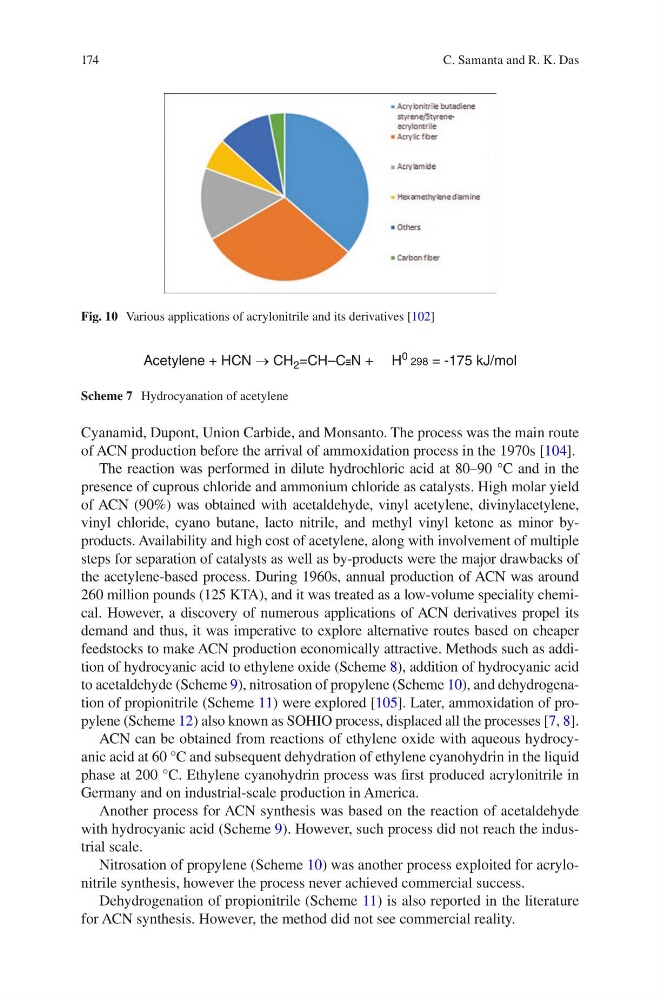
Fig. 10 Various applications of acrylonitrile and its derivatives [102]
Acetylene + HCN → CH 2 =CH–C≡N + H
0 298 = -175 kJ/mol
Scheme 7 Hydrocyanation of acetylene
C. Samanta and R. K. Das
Cyanamid, Dupont, Union Carbide, and Monsanto. The process was the main route
of ACN production before the arrival of ammoxidation process in the 1970s [104].
The reaction was performed in dilute hydrochloric acid at 80–90 °C and in the
presence of cuprous chloride and ammonium chloride as catalysts. High molar yield
of ACN (90%) was obtained with acetaldehyde, vinyl acetylene, divinylacetylene,
vinyl chloride, cyano butane, lacto nitrile, and methyl vinyl ketone as minor byproducts. Availability and high cost of acetylene, along with involvement of multiple
steps for separation of catalysts as well as by-products were the major drawbacks of
the acetylene-based process. During 1960s, annual production of ACN was around
260 million pounds (125 KTA), and it was treated as a low-volume speciality chemical. However, a discovery of numerous applications of ACN derivatives propel its
demand and thus, it was imperative to explore alternative routes based on cheaper
feedstocks to make ACN production economically attractive. Methods such as addition of hydrocyanic acid to ethylene oxide (Scheme 8), addition of hydrocyanic acid
to acetaldehyde (Scheme 9), nitrosation of propylene (Scheme 10), and dehydrogenation of propionitrile (Scheme 11) were explored [105]. Later, ammoxidation of propylene (Scheme 12) also known as SOHIO process, displaced all the processes [7, 8].
ACN can be obtained from reactions of ethylene oxide with aqueous hydrocyanic acid at 60 °C and subsequent dehydration of ethylene cyanohydrin in the liquid
phase at 200 °C. Ethylene cyanohydrin process was first produced acrylonitrile in
Germany and on industrial-scale production in America.
Another process for ACN synthesis was based on the reaction of acetaldehyde
with hydrocyanic acid (Scheme 9). However, such process did not reach the industrial scale.
Nitrosation of propylene (Scheme 10) was another process exploited for acrylonitrile synthesis, however the process never achieved commercial success.
Dehydrogenation of propionitrile (Scheme 11) is also reported in the literature
for ACN synthesis. However, the method did not see commercial reality.
Fig. 10 Various applications of acrylonitrile and its derivatives [102]
Acetylene + HCN → CH 2 =CH–C≡N + H
0 298 = -175 kJ/mol
Scheme 7 Hydrocyanation of acetylene
C. Samanta and R. K. Das