

173
4.2 Acrylonitrile (ACN)
Acrylonitrile (ACN) is a versatile chemical intermediate and annually more than 14
billion pounds of ACN is produced worldwide. ACN has a unique chemical structure (CH 2 =CH–C≡N) containing nitrile (–C≡N) as well as C–C double bond in
conjugation. Nitrile group can undergo hydrolysis to give acrylic acid and followed
by acrylates by esterification with alcohol. The double bond in ACN can take part in
various reactions such as Diels-Alder reaction, hydrogenation, cyanoethylation,
hydroisomerization, and hydroformylation reactions. Thus various useful chemicals
can be produced employing ACN as an intermediate (Fig. 10).
The primary end uses of acetonitrile are acrylonitrile-butadiene-styrene (ABS),
styrene-acrylonitrile (SAN) resin, acrylic fiber, and acrylamide. As per IHS Markit
data, the acrylonitrile market is expected to grow at a CAGR of over 3% during
2019–2024. One of the major factors for this growth is the increasing demand for
ABS which is a durable thermoplastic used in automotive components, telephone
and computer casings, and sports equipment. Another material nitrile rubber is used
in the manufacture of hoses for pumping fuel. Acrylonitrile is also used in the production of plastic resins, paints, adhesives, and coatings. Owing to its protective
property, high chemical strength, and resistance to bases, acids, and other corrosive
compounds, acrylonitrile products are highly preferred for packaging in the electronic appliance and the food and beverage industries.
4.2.1 Acrylonitrile Production: Commercial Advancement
Acetylene Route
Charles Moureu, a French organic chemist, first synthesized acrylonitrile in 1893.
However, it did not see commercial importance till the 1930s, when new applications of acrylic fibers started in textiles and synthetic rubber industries [103]. The
early commercial production was based on the acetylene route (Scheme 7) and
some of the major producers of acrylonitrile using this route were BASF, American
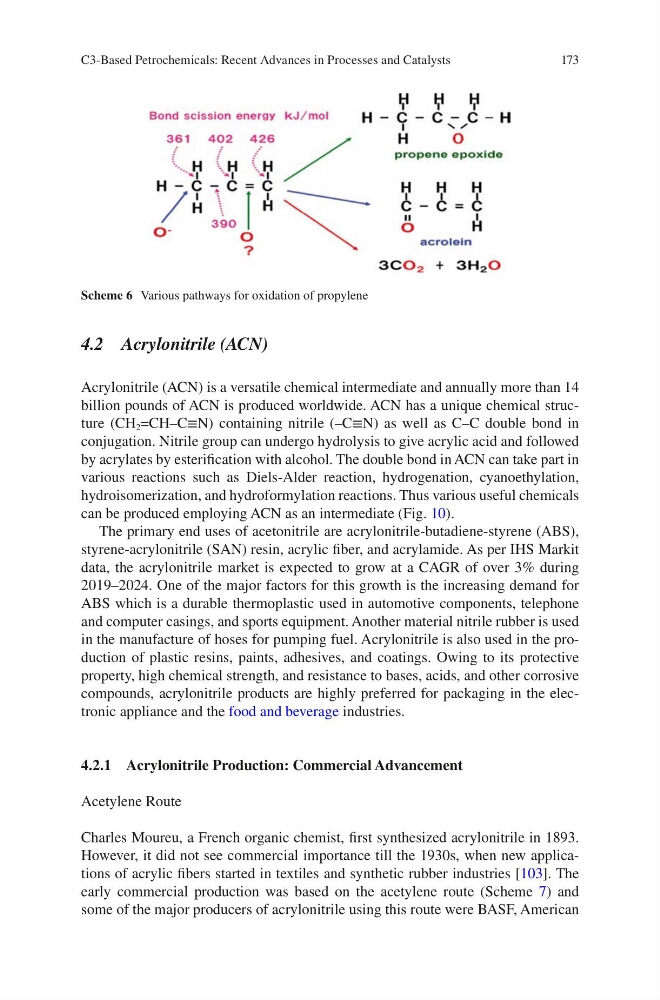
Scheme 6 Various pathways for oxidation of propylene
C3-Based Petrochemicals: Recent Advances in Processes and Catalysts
4.2 Acrylonitrile (ACN)
Acrylonitrile (ACN) is a versatile chemical intermediate and annually more than 14
billion pounds of ACN is produced worldwide. ACN has a unique chemical structure (CH 2 =CH–C≡N) containing nitrile (–C≡N) as well as C–C double bond in
conjugation. Nitrile group can undergo hydrolysis to give acrylic acid and followed
by acrylates by esterification with alcohol. The double bond in ACN can take part in
various reactions such as Diels-Alder reaction, hydrogenation, cyanoethylation,
hydroisomerization, and hydroformylation reactions. Thus various useful chemicals
can be produced employing ACN as an intermediate (Fig. 10).
The primary end uses of acetonitrile are acrylonitrile-butadiene-styrene (ABS),
styrene-acrylonitrile (SAN) resin, acrylic fiber, and acrylamide. As per IHS Markit
data, the acrylonitrile market is expected to grow at a CAGR of over 3% during
2019–2024. One of the major factors for this growth is the increasing demand for
ABS which is a durable thermoplastic used in automotive components, telephone
and computer casings, and sports equipment. Another material nitrile rubber is used
in the manufacture of hoses for pumping fuel. Acrylonitrile is also used in the production of plastic resins, paints, adhesives, and coatings. Owing to its protective
property, high chemical strength, and resistance to bases, acids, and other corrosive
compounds, acrylonitrile products are highly preferred for packaging in the electronic appliance and the food and beverage industries.
4.2.1 Acrylonitrile Production: Commercial Advancement
Acetylene Route
Charles Moureu, a French organic chemist, first synthesized acrylonitrile in 1893.
However, it did not see commercial importance till the 1930s, when new applications of acrylic fibers started in textiles and synthetic rubber industries [103]. The
early commercial production was based on the acetylene route (Scheme 7) and
some of the major producers of acrylonitrile using this route were BASF, American
Scheme 6 Various pathways for oxidation of propylene
C3-Based Petrochemicals: Recent Advances in Processes and Catalysts