

122
side-chain alkylation product. Thus, aromatic alkylation requires (a) alkylating
agent, (b) acidic catalyst for ring alkylation, and (c) basic catalyst for side-chain
alkylation. Refiners use benzene, toluene, and xylene as aromatic sources and methanol, ethanol, ethylene, isopropanol, propylene, cyclohexene, etc. as alkylating
agents. Depending on the source of aromatics and alkylating agents, several aromatic alkylation products such as xylene, ethylbenzene, cumene, and liner alkyl
benzene are commercially available and are widely being used as vital petrochemical intermediates (Fig. 6).
In recent times, benzene alkylation with cyclohexene, which is produced in situ
via partial hydrogenation of benzene’s double bonds, is bringing major attraction to
researchers and technology developers. Such alkylation produces cyclohexyl
Table 6 Summary of commercial alkylation technologies
Process
Licensor Catalyst
Reactor type
Operating conditions
AlkyClean
Akzo
Nobel/
CBI
Pt/USY catalyst Multiple fixed-bed
reactors in parallel for
continuous regeneration
Temperature = 323–
363K
Alkylene
UOP
Proprietary
catalyst
FCC-like reactor for
continuous regeneration
Temperature = 283–
313K
P/O = 6–15
EUROFUEL
Lurgi
FAU-based
catalyst
Reactive distillation
Temperature = 323–
373K
P/O = 6–12
Fixed-bed
alkylation
(FBA)
Haldor
Topsøe
Triflic acid
supported on
porous material
Fixed bed
Temperature = 273–
293K
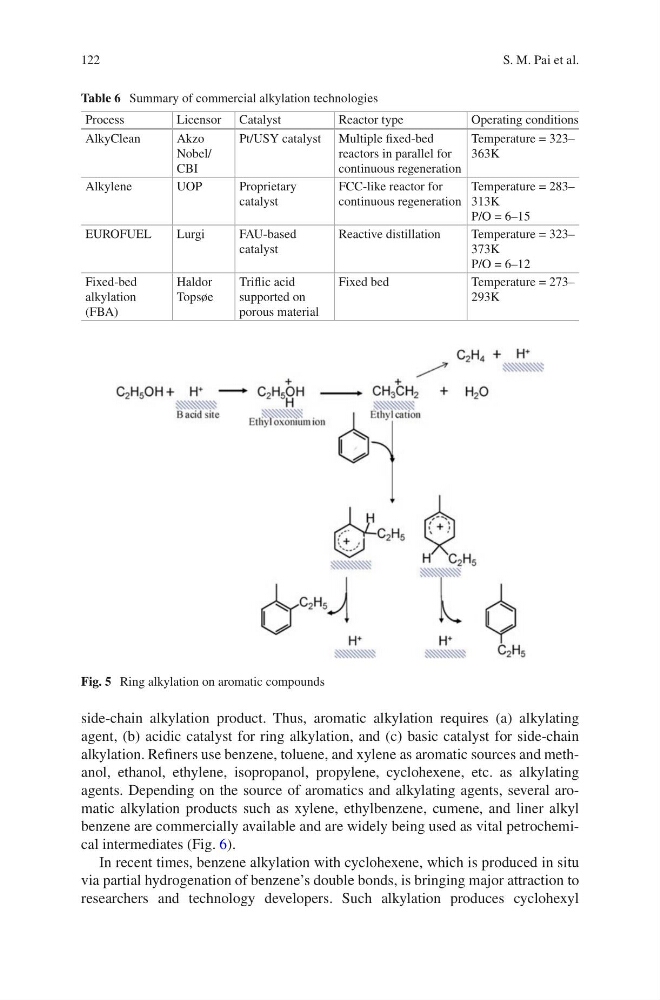
Fig. 5 Ring alkylation on aromatic compounds
S. M. Pai et al.
side-chain alkylation product. Thus, aromatic alkylation requires (a) alkylating
agent, (b) acidic catalyst for ring alkylation, and (c) basic catalyst for side-chain
alkylation. Refiners use benzene, toluene, and xylene as aromatic sources and methanol, ethanol, ethylene, isopropanol, propylene, cyclohexene, etc. as alkylating
agents. Depending on the source of aromatics and alkylating agents, several aromatic alkylation products such as xylene, ethylbenzene, cumene, and liner alkyl
benzene are commercially available and are widely being used as vital petrochemical intermediates (Fig. 6).
In recent times, benzene alkylation with cyclohexene, which is produced in situ
via partial hydrogenation of benzene’s double bonds, is bringing major attraction to
researchers and technology developers. Such alkylation produces cyclohexyl
Table 6 Summary of commercial alkylation technologies
Process
Licensor Catalyst
Reactor type
Operating conditions
AlkyClean
Akzo
Nobel/
CBI
Pt/USY catalyst Multiple fixed-bed
reactors in parallel for
continuous regeneration
Temperature = 323–
363K
Alkylene
UOP
Proprietary
catalyst
FCC-like reactor for
continuous regeneration
Temperature = 283–
313K
P/O = 6–15
EUROFUEL
Lurgi
FAU-based
catalyst
Reactive distillation
Temperature = 323–
373K
P/O = 6–12
Fixed-bed
alkylation
(FBA)
Haldor
Topsøe
Triflic acid
supported on
porous material
Fixed bed
Temperature = 273–
293K
Fig. 5 Ring alkylation on aromatic compounds
S. M. Pai et al.