

205
5.25 Nutrition Science and Dietetics
Nutrition science (theoretical focus) and dietetics (practical focus) are the specializations of science that deal with relationship of food/drink to health. Medical nutrition therapy is prescribed for many diseases such as diabetes; neoplastic diseases;
allergies; cardiovascular diseases; malnutrition as well as weight and eating disorders. Nutrition science infers the interaction of nutrients and other substances in
food in relation to growth, reproduction, health as well as disease of a living being.
Nutritional status may modify vulnerability to chemical exposures. The relation
between nutritional status and environmental exposures is complex (Katarzyna
2007). Present food systems are a main contributor to health and environmental
issues that include climate change, food insecurity, water scarcity, and chronic
diseases.
With increase in affluence and urbanization, diets are becoming higher in calories and comprise more animal products and highly processed foods. These dietary
shifts are driving increase in diet-related ailments and causing environmental degradation (Michael et al. 2018). Further contamination (Box 5.11) by chemical toxins
can lead to immunodeficiency and contamination by pathogens can lead to disease.
People without
immunity
People without
immunity
Person with
communicable disease
People with
immunity
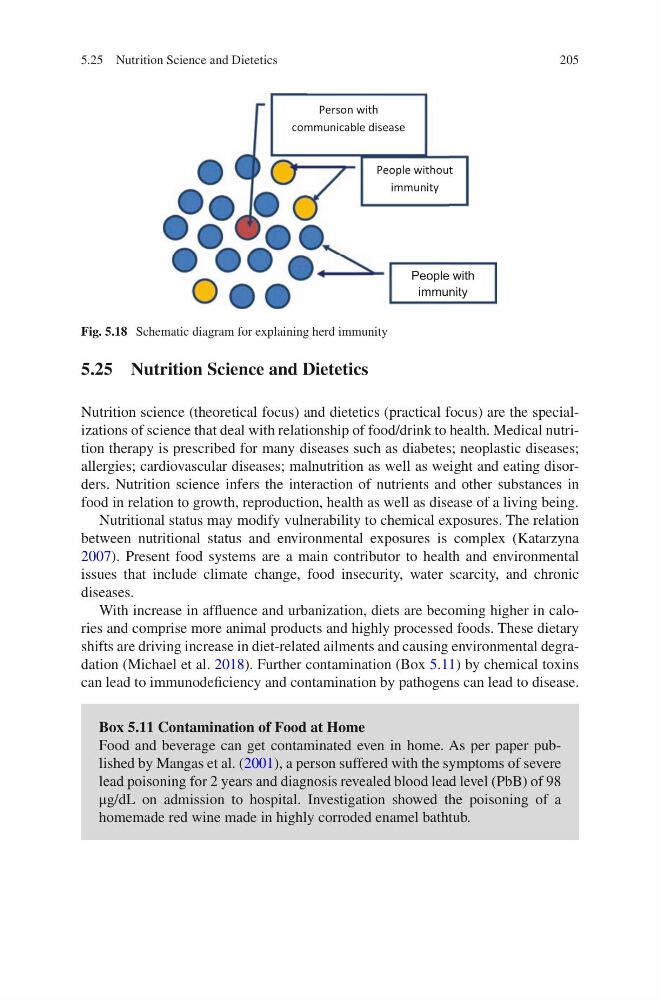
Fig. 5.18 Schematic diagram for explaining herd immunity
Box 5.11 Contamination of Food at Home
Food and beverage can get contaminated even in home. As per paper published by Mangas et al. (2001), a person suffered with the symptoms of severe
lead poisoning for 2 years and diagnosis revealed blood lead level (PbB) of 98
μg/dL on admission to hospital. Investigation showed the poisoning of a
homemade red wine made in highly corroded enamel bathtub.
5.25 Nutrition Science and Dietetics
5.25 Nutrition Science and Dietetics
Nutrition science (theoretical focus) and dietetics (practical focus) are the specializations of science that deal with relationship of food/drink to health. Medical nutrition therapy is prescribed for many diseases such as diabetes; neoplastic diseases;
allergies; cardiovascular diseases; malnutrition as well as weight and eating disorders. Nutrition science infers the interaction of nutrients and other substances in
food in relation to growth, reproduction, health as well as disease of a living being.
Nutritional status may modify vulnerability to chemical exposures. The relation
between nutritional status and environmental exposures is complex (Katarzyna
2007). Present food systems are a main contributor to health and environmental
issues that include climate change, food insecurity, water scarcity, and chronic
diseases.
With increase in affluence and urbanization, diets are becoming higher in calories and comprise more animal products and highly processed foods. These dietary
shifts are driving increase in diet-related ailments and causing environmental degradation (Michael et al. 2018). Further contamination (Box 5.11) by chemical toxins
can lead to immunodeficiency and contamination by pathogens can lead to disease.
People without
immunity
People without
immunity
Person with
communicable disease
People with
immunity
Fig. 5.18 Schematic diagram for explaining herd immunity
Box 5.11 Contamination of Food at Home
Food and beverage can get contaminated even in home. As per paper published by Mangas et al. (2001), a person suffered with the symptoms of severe
lead poisoning for 2 years and diagnosis revealed blood lead level (PbB) of 98
μg/dL on admission to hospital. Investigation showed the poisoning of a
homemade red wine made in highly corroded enamel bathtub.
5.25 Nutrition Science and Dietetics