

130
Antibiotic Resistance in Cardiovascular Diseases
In the past few years, special attention has been given to the possibility of bacterial
vector as risk factors of atherosclerosis which is a chronic inflammatory condition
of vascular walls, because of the recently discovered intracellular pathogen
Chlamydia pneumoniae [34, 35]. Therefore, studies on antibiotic treatment are now
underway to improve the clinical condition of patients with CVDs by eradication of
C. pneumoniae from atheromatous plaques [36]. Chlamydial infections are sensitive
to tetracyclines, macrolides, and fluoroquinolones [37]. These antibiotics have generated enthusiastic expectations for proving (or disproving) the infectious- disease
hypothesis of atherosclerosis and establishment of new therapies. Therefore, treatment, elimination, or prevention of vascular infections with these antibiotics might
be problematic if C. pneumoniae which resides in circulating monocytes is antibiotic resistant. Reactivation of C. pneumoniae from a persistent state, promotion of
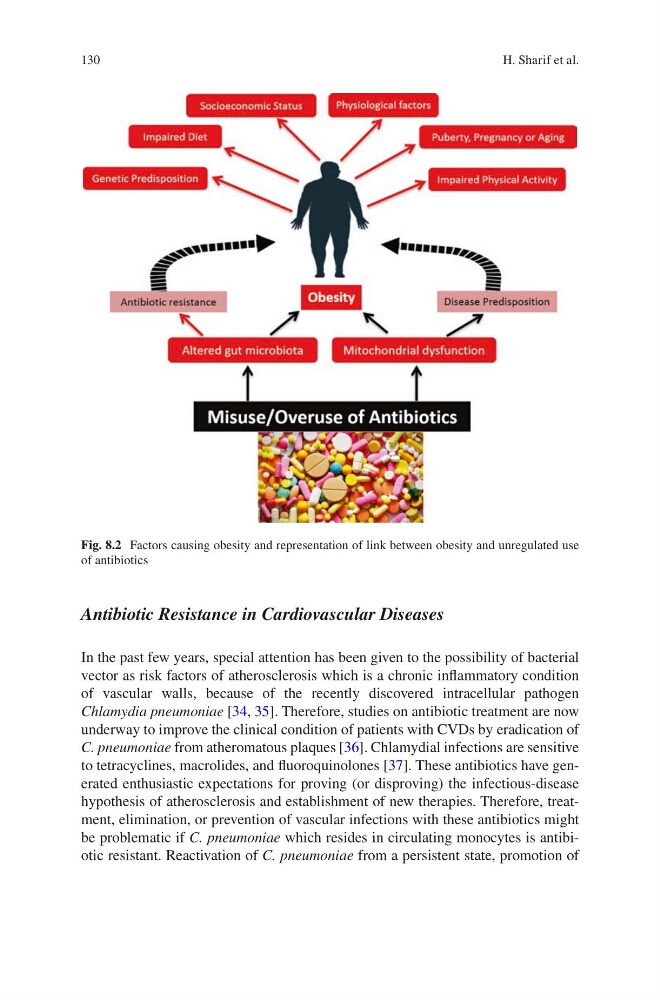
Fig. 8.2 Factors causing obesity and representation of link between obesity and unregulated use
of antibiotics
H. Sharif et al.
Antibiotic Resistance in Cardiovascular Diseases
In the past few years, special attention has been given to the possibility of bacterial
vector as risk factors of atherosclerosis which is a chronic inflammatory condition
of vascular walls, because of the recently discovered intracellular pathogen
Chlamydia pneumoniae [34, 35]. Therefore, studies on antibiotic treatment are now
underway to improve the clinical condition of patients with CVDs by eradication of
C. pneumoniae from atheromatous plaques [36]. Chlamydial infections are sensitive
to tetracyclines, macrolides, and fluoroquinolones [37]. These antibiotics have generated enthusiastic expectations for proving (or disproving) the infectious- disease
hypothesis of atherosclerosis and establishment of new therapies. Therefore, treatment, elimination, or prevention of vascular infections with these antibiotics might
be problematic if C. pneumoniae which resides in circulating monocytes is antibiotic resistant. Reactivation of C. pneumoniae from a persistent state, promotion of
Fig. 8.2 Factors causing obesity and representation of link between obesity and unregulated use
of antibiotics
H. Sharif et al.