

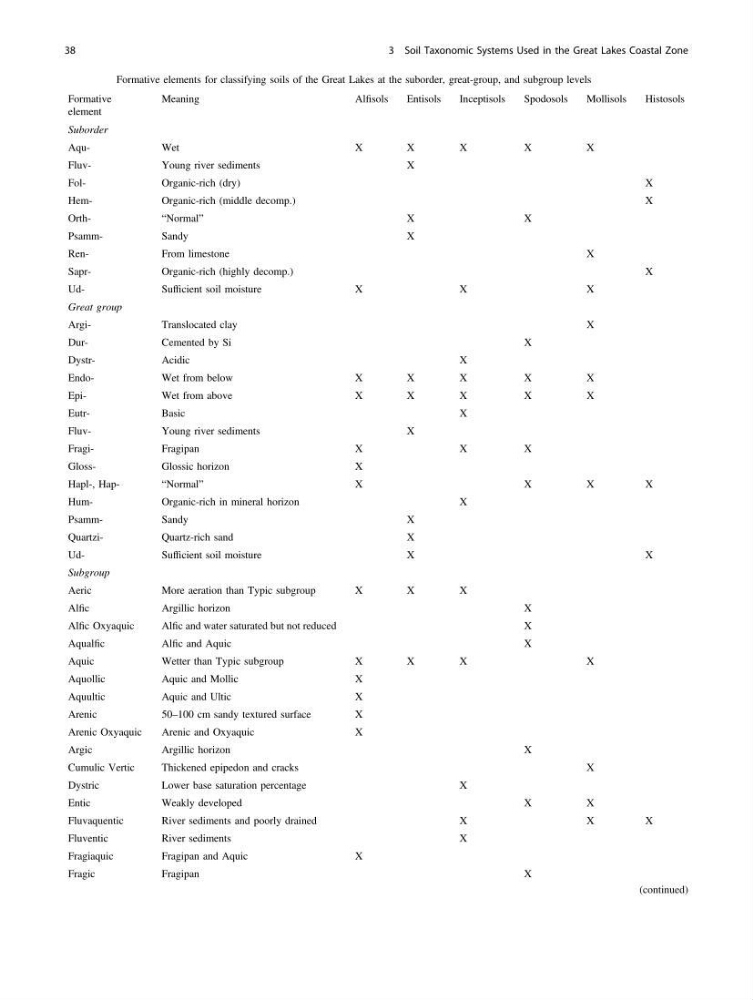
Table 3.4 Formative elements for classifying soils of the Great Lakes at the suborder, great-group, and subgroup levels
Formative
element
Meaning
Alfisols
Entisols
Inceptisols
Spodosols
Mollisols
Histosols
Suborder
AquWet
X
X
X
X
X
FluvYoung river sediments
X
FolOrganic-rich (dry)
X
HemOrganic-rich (middle decomp.)
X
Orth“Normal”
X
X
PsammSandy
X
RenFrom limestone
X
SaprOrganic-rich (highly decomp.)
X
UdSufficient soil moisture
X
X
X
Great group
ArgiTranslocated clay
X
DurCemented by Si
X
DystrAcidic
X
EndoWet from below
X
X
X
X
X
EpiWet from above
X
X
X
X
X
EutrBasic
X
FluvYoung river sediments
X
FragiFragipan
X
X
X
GlossGlossic horizon
X
Hapl-, Hap“Normal”
X
X
X
X
HumOrganic-rich in mineral horizon
X
PsammSandy
X
QuartziQuartz-rich sand
X
UdSufficient soil moisture
X
X
Subgroup
Aeric
More aeration than Typic subgroup
X
X
X
Alfic
Argillic horizon
X
Alfic Oxyaquic
Alfic and water saturated but not reduced
X
Aqualfic
A l fic and Aquic
X
Aquic
Wetter than Typic subgroup
X
X
X
X
Aquollic
Aquic and Mollic
X
Aquultic
Aquic and Ultic
X
Arenic
50–100 cm sandy textured surface
X
Arenic Oxyaquic
Arenic and Oxyaquic
X
Argic
Argillic horizon
X
Cumulic Vertic
Thickened epipedon and cracks
X
Dystric
Lower base saturation percentage
X
Entic
Weakly developed
X
X
Fluvaquentic
River sediments and poorly drained
X
X
X
Fluventic
River sediments
X
Fragiaquic
Fragipan and Aquic
X
Fragic
Fragipan
X
(continued)
38
3 Soil Taxonomic Systems Used in the Great Lakes Coastal Zone
Formative
element
Meaning
Alfisols
Entisols
Inceptisols
Spodosols
Mollisols
Histosols
Suborder
AquWet
X
X
X
X
X
FluvYoung river sediments
X
FolOrganic-rich (dry)
X
HemOrganic-rich (middle decomp.)
X
Orth“Normal”
X
X
PsammSandy
X
RenFrom limestone
X
SaprOrganic-rich (highly decomp.)
X
UdSufficient soil moisture
X
X
X
Great group
ArgiTranslocated clay
X
DurCemented by Si
X
DystrAcidic
X
EndoWet from below
X
X
X
X
X
EpiWet from above
X
X
X
X
X
EutrBasic
X
FluvYoung river sediments
X
FragiFragipan
X
X
X
GlossGlossic horizon
X
Hapl-, Hap“Normal”
X
X
X
X
HumOrganic-rich in mineral horizon
X
PsammSandy
X
QuartziQuartz-rich sand
X
UdSufficient soil moisture
X
X
Subgroup
Aeric
More aeration than Typic subgroup
X
X
X
Alfic
Argillic horizon
X
Alfic Oxyaquic
Alfic and water saturated but not reduced
X
Aqualfic
A l fic and Aquic
X
Aquic
Wetter than Typic subgroup
X
X
X
X
Aquollic
Aquic and Mollic
X
Aquultic
Aquic and Ultic
X
Arenic
50–100 cm sandy textured surface
X
Arenic Oxyaquic
Arenic and Oxyaquic
X
Argic
Argillic horizon
X
Cumulic Vertic
Thickened epipedon and cracks
X
Dystric
Lower base saturation percentage
X
Entic
Weakly developed
X
X
Fluvaquentic
River sediments and poorly drained
X
X
X
Fluventic
River sediments
X
Fragiaquic
Fragipan and Aquic
X
Fragic
Fragipan
X
(continued)
38
3 Soil Taxonomic Systems Used in the Great Lakes Coastal Zone