

The Use of Biodigesters in the Treatment of Swine Manure …
117
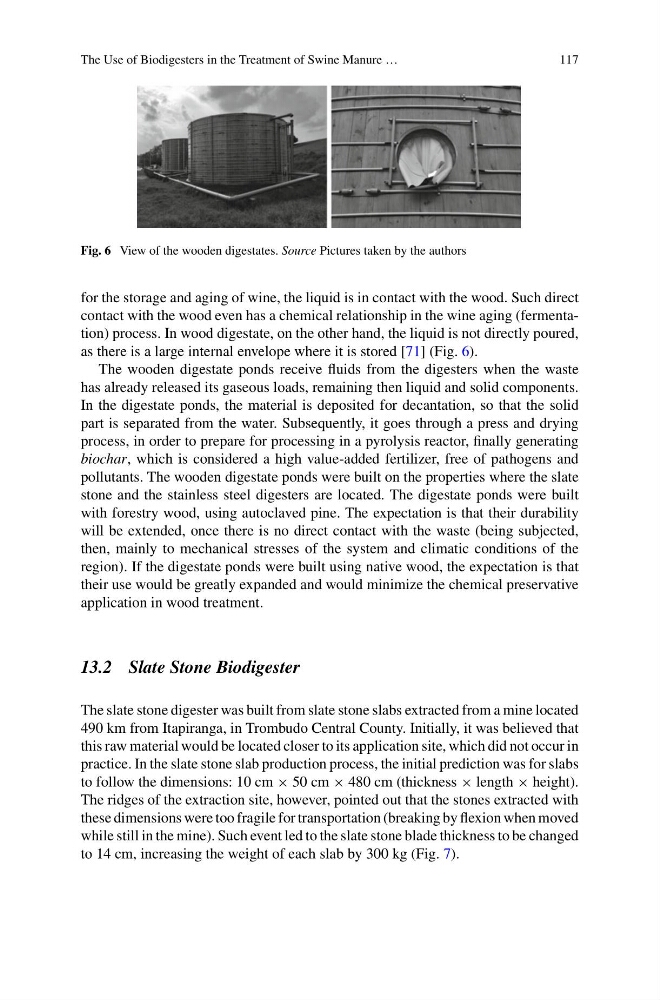
Fig. 6 View of the wooden digestates. Source Pictures taken by the authors
for the storage and aging of wine, the liquid is in contact with the wood. Such direct
contact with the wood even has a chemical relationship in the wine aging (fermentation) process. In wood digestate, on the other hand, the liquid is not directly poured,
as there is a large internal envelope where it is stored [71] (Fig. 6).
The wooden digestate ponds receive fluids from the digesters when the waste
has already released its gaseous loads, remaining then liquid and solid components.
In the digestate ponds, the material is deposited for decantation, so that the solid
part is separated from the water. Subsequently, it goes through a press and drying
process, in order to prepare for processing in a pyrolysis reactor, finally generating
biochar, which is considered a high value-added fertilizer, free of pathogens and
pollutants. The wooden digestate ponds were built on the properties where the slate
stone and the stainless steel digesters are located. The digestate ponds were built
with forestry wood, using autoclaved pine. The expectation is that their durability
will be extended, once there is no direct contact with the waste (being subjected,
then, mainly to mechanical stresses of the system and climatic conditions of the
region). If the digestate ponds were built using native wood, the expectation is that
their use would be greatly expanded and would minimize the chemical preservative
application in wood treatment.
13.2 Slate Stone Biodigester
The slate stone digester was built from slate stone slabs extracted from a mine located
490 km from Itapiranga, in Trombudo Central County. Initially, it was believed that
this raw material would be located closer to its application site, which did not occur in
practice. In the slate stone slab production process, the initial prediction was for slabs
to follow the dimensions: 10 cm × 50 cm × 480 cm (thickness × length × height).
The ridges of the extraction site, however, pointed out that the stones extracted with
these dimensions were too fragile for transportation (breaking by flexion when moved
while still in the mine). Such event led to the slate stone blade thickness to be changed
to 14 cm, increasing the weight of each slab by 300 kg (Fig. 7).
117
Fig. 6 View of the wooden digestates. Source Pictures taken by the authors
for the storage and aging of wine, the liquid is in contact with the wood. Such direct
contact with the wood even has a chemical relationship in the wine aging (fermentation) process. In wood digestate, on the other hand, the liquid is not directly poured,
as there is a large internal envelope where it is stored [71] (Fig. 6).
The wooden digestate ponds receive fluids from the digesters when the waste
has already released its gaseous loads, remaining then liquid and solid components.
In the digestate ponds, the material is deposited for decantation, so that the solid
part is separated from the water. Subsequently, it goes through a press and drying
process, in order to prepare for processing in a pyrolysis reactor, finally generating
biochar, which is considered a high value-added fertilizer, free of pathogens and
pollutants. The wooden digestate ponds were built on the properties where the slate
stone and the stainless steel digesters are located. The digestate ponds were built
with forestry wood, using autoclaved pine. The expectation is that their durability
will be extended, once there is no direct contact with the waste (being subjected,
then, mainly to mechanical stresses of the system and climatic conditions of the
region). If the digestate ponds were built using native wood, the expectation is that
their use would be greatly expanded and would minimize the chemical preservative
application in wood treatment.
13.2 Slate Stone Biodigester
The slate stone digester was built from slate stone slabs extracted from a mine located
490 km from Itapiranga, in Trombudo Central County. Initially, it was believed that
this raw material would be located closer to its application site, which did not occur in
practice. In the slate stone slab production process, the initial prediction was for slabs
to follow the dimensions: 10 cm × 50 cm × 480 cm (thickness × length × height).
The ridges of the extraction site, however, pointed out that the stones extracted with
these dimensions were too fragile for transportation (breaking by flexion when moved
while still in the mine). Such event led to the slate stone blade thickness to be changed
to 14 cm, increasing the weight of each slab by 300 kg (Fig. 7).