

116
R. de Castro Sobrosa Neto et al.
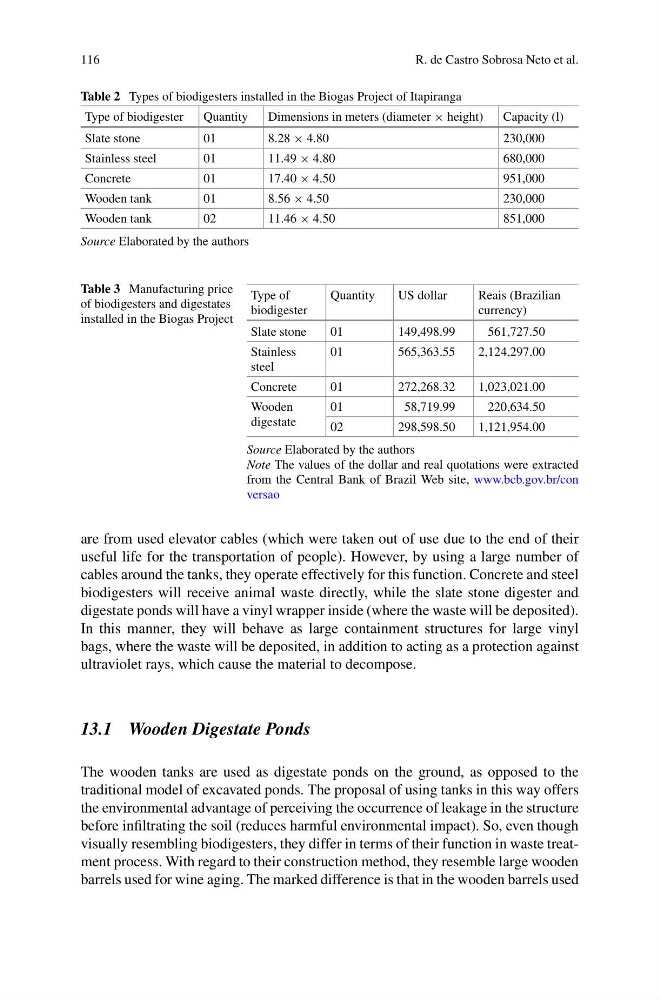
Table 2 Types of biodigesters installed in the Biogas Project of Itapiranga
Type of biodigester
Quantity
Dimensions in meters (diameter × height)
Capacity (l)
Slate stone
01
8.28 × 4.80
230,000
Stainless steel
01
11.49 × 4.80
680,000
Concrete
01
17.40 × 4.50
951,000
Wooden tank
01
8.56 × 4.50
230,000
Wooden tank
02
11.46 × 4.50
851,000
Source Elaborated by the authors
Table 3 Manufacturing price
of biodigesters and digestates
installed in the Biogas Project
Type of
biodigester
Quantity
US dollar
Reais (Brazilian
currency)
Slate stone
01
149,498.99
561,727.50
Stainless
steel
01
565,363.55
2,124,297.00
Concrete
01
272,268.32
1,023,021.00
Wooden
digestate
01
58,719.99
220,634.50
02
298,598.50
1,121,954.00
Source Elaborated by the authors
Note The values of the dollar and real quotations were extracted
from the Central Bank of Brazil Web site, www.bcb.gov.br/con
versao
are from used elevator cables (which were taken out of use due to the end of their
useful life for the transportation of people). However, by using a large number of
cables around the tanks, they operate effectively for this function. Concrete and steel
biodigesters will receive animal waste directly, while the slate stone digester and
digestate ponds will have a vinyl wrapper inside (where the waste will be deposited).
In this manner, they will behave as large containment structures for large vinyl
bags, where the waste will be deposited, in addition to acting as a protection against
ultraviolet rays, which cause the material to decompose.
13.1 Wooden Digestate Ponds
The wooden tanks are used as digestate ponds on the ground, as opposed to the
traditional model of excavated ponds. The proposal of using tanks in this way offers
the environmental advantage of perceiving the occurrence of leakage in the structure
before infiltrating the soil (reduces harmful environmental impact). So, even though
visually resembling biodigesters, they differ in terms of their function in waste treatment process. With regard to their construction method, they resemble large wooden
barrels used for wine aging. The marked difference is that in the wooden barrels used
R. de Castro Sobrosa Neto et al.
Table 2 Types of biodigesters installed in the Biogas Project of Itapiranga
Type of biodigester
Quantity
Dimensions in meters (diameter × height)
Capacity (l)
Slate stone
01
8.28 × 4.80
230,000
Stainless steel
01
11.49 × 4.80
680,000
Concrete
01
17.40 × 4.50
951,000
Wooden tank
01
8.56 × 4.50
230,000
Wooden tank
02
11.46 × 4.50
851,000
Source Elaborated by the authors
Table 3 Manufacturing price
of biodigesters and digestates
installed in the Biogas Project
Type of
biodigester
Quantity
US dollar
Reais (Brazilian
currency)
Slate stone
01
149,498.99
561,727.50
Stainless
steel
01
565,363.55
2,124,297.00
Concrete
01
272,268.32
1,023,021.00
Wooden
digestate
01
58,719.99
220,634.50
02
298,598.50
1,121,954.00
Source Elaborated by the authors
Note The values of the dollar and real quotations were extracted
from the Central Bank of Brazil Web site, www.bcb.gov.br/con
versao
are from used elevator cables (which were taken out of use due to the end of their
useful life for the transportation of people). However, by using a large number of
cables around the tanks, they operate effectively for this function. Concrete and steel
biodigesters will receive animal waste directly, while the slate stone digester and
digestate ponds will have a vinyl wrapper inside (where the waste will be deposited).
In this manner, they will behave as large containment structures for large vinyl
bags, where the waste will be deposited, in addition to acting as a protection against
ultraviolet rays, which cause the material to decompose.
13.1 Wooden Digestate Ponds
The wooden tanks are used as digestate ponds on the ground, as opposed to the
traditional model of excavated ponds. The proposal of using tanks in this way offers
the environmental advantage of perceiving the occurrence of leakage in the structure
before infiltrating the soil (reduces harmful environmental impact). So, even though
visually resembling biodigesters, they differ in terms of their function in waste treatment process. With regard to their construction method, they resemble large wooden
barrels used for wine aging. The marked difference is that in the wooden barrels used