

247
promotes the competitiveness of other plankton-feeding organisms to occupy reef
substrata; some of these plankton feeders (such as the sponges and clams mentioned
earlier) actually break down the reef structure through bioerosion. Pulses of sediments and nutrients also increase the variability of water transparency, which
stresses species adapted to more consistent light intensities. Pulses of nutrients also
increase the density of the algae within the coral tissue, making it darker and able to
absorb more light, and therefore more prone to photo-oxidative stress. Some herbicides widely used in agriculture are specifically designed to kill by inducing photooxidative stress. And if microbes from terrestrial dust, runoff or sewage are
promoting disease outbreaks has not been determined definitively, the possibilities
cannot be ignored. Finally, overfishing, especially of larger herbivorous fish, has
allowed benthic algae to overgrow reefs, especially where corals have been killed
by disease or bleaching events.
The first “regional” scale threat to coral reefs that drew widespread attention was
the Crown-of-Thorns starfish (Fig. 14.4) outbreaks at localities across the IndoPacific in the late 1960s. Though regional in the distribution, the causes of the starfish outbreaks seemed to be mostly associated with local increases in nutrient
delivery to coastal waters that enhanced survival of the starfish larvae. Similarly, the
Caribbean-wide abundances of Diadema sea urchins (Fig. 14.6) in the 1970s likely
were promoted by increased survival of plankton-feeding larvae combined with
overfishing of fish species that preyed upon the urchins. Then came the dramatic
Diadema die-off in 1983, likely caused by a disease that came from the eastern
Pacific through the Panama Canal. Without the abundant urchins grazing benthic
macroalgae, the die-off allowed the algae, fertilized by nutrient pollution, to take
over reef substrata, making it unavailable for coral larvae to settle. Also Caribbean
wide, beginning in the late 1970s, the first wave of White Band Disease (Fig. 14.12)
decimated branching corals. More recently, the spread of invasive Lionfish
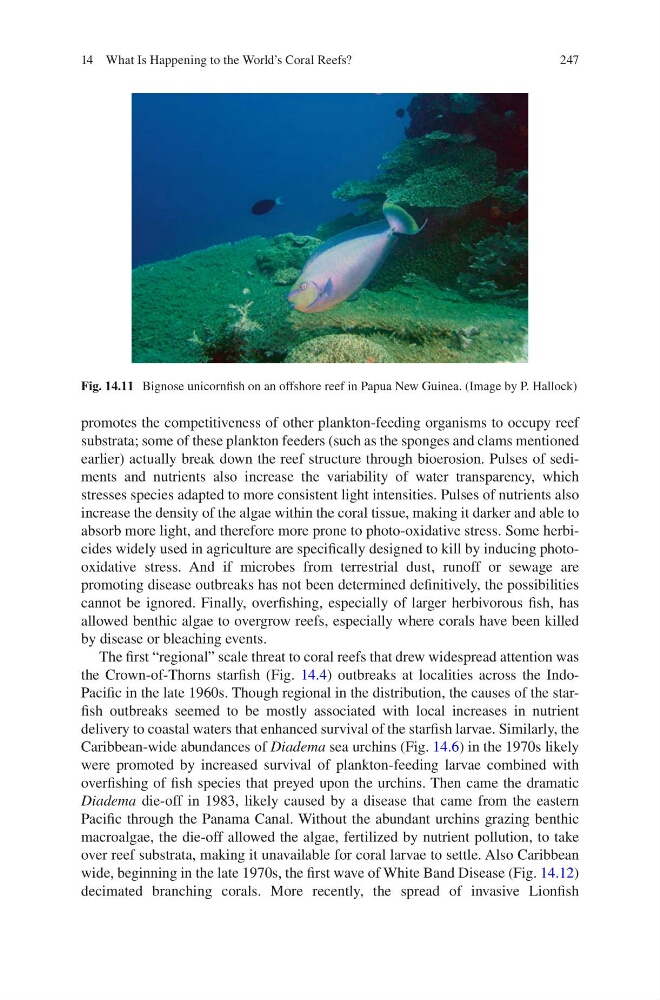
Fig. 14.11 Bignose unicornfish on an offshore reef in Papua New Guinea. (Image by P. Hallock)
14 What Is Happening to the World’s Coral Reefs?
promotes the competitiveness of other plankton-feeding organisms to occupy reef
substrata; some of these plankton feeders (such as the sponges and clams mentioned
earlier) actually break down the reef structure through bioerosion. Pulses of sediments and nutrients also increase the variability of water transparency, which
stresses species adapted to more consistent light intensities. Pulses of nutrients also
increase the density of the algae within the coral tissue, making it darker and able to
absorb more light, and therefore more prone to photo-oxidative stress. Some herbicides widely used in agriculture are specifically designed to kill by inducing photooxidative stress. And if microbes from terrestrial dust, runoff or sewage are
promoting disease outbreaks has not been determined definitively, the possibilities
cannot be ignored. Finally, overfishing, especially of larger herbivorous fish, has
allowed benthic algae to overgrow reefs, especially where corals have been killed
by disease or bleaching events.
The first “regional” scale threat to coral reefs that drew widespread attention was
the Crown-of-Thorns starfish (Fig. 14.4) outbreaks at localities across the IndoPacific in the late 1960s. Though regional in the distribution, the causes of the starfish outbreaks seemed to be mostly associated with local increases in nutrient
delivery to coastal waters that enhanced survival of the starfish larvae. Similarly, the
Caribbean-wide abundances of Diadema sea urchins (Fig. 14.6) in the 1970s likely
were promoted by increased survival of plankton-feeding larvae combined with
overfishing of fish species that preyed upon the urchins. Then came the dramatic
Diadema die-off in 1983, likely caused by a disease that came from the eastern
Pacific through the Panama Canal. Without the abundant urchins grazing benthic
macroalgae, the die-off allowed the algae, fertilized by nutrient pollution, to take
over reef substrata, making it unavailable for coral larvae to settle. Also Caribbean
wide, beginning in the late 1970s, the first wave of White Band Disease (Fig. 14.12)
decimated branching corals. More recently, the spread of invasive Lionfish
Fig. 14.11 Bignose unicornfish on an offshore reef in Papua New Guinea. (Image by P. Hallock)
14 What Is Happening to the World’s Coral Reefs?