

226
we recorded what we saw. That is where the waterproof cameras came in. We
attached these cameras to a PVC frame so that we could gently drop them to the
bottom in the deeper areas beyond our range of vision. A second camera was
attached to the pole and submerged just below the water line and recorded video and
GPS. With the sonar and the camera running simultaneously, we also had someone
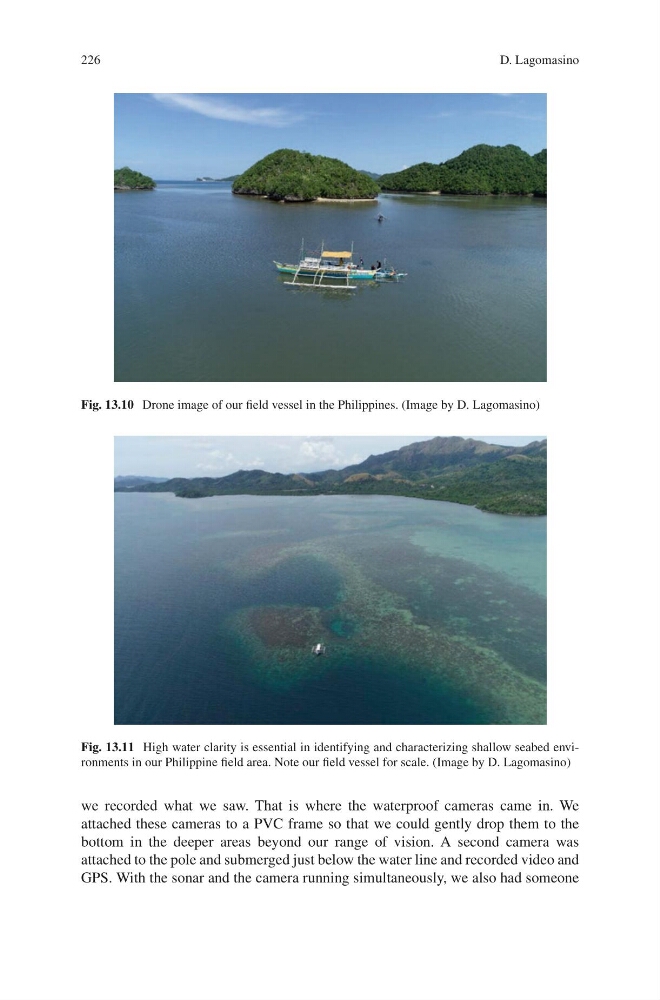
Fig. 13.10 Drone image of our field vessel in the Philippines. (Image by D. Lagomasino)
Fig. 13.11 High water clarity is essential in identifying and characterizing shallow seabed environments in our Philippine field area. Note our field vessel for scale. (Image by D. Lagomasino)
D. Lagomasino
we recorded what we saw. That is where the waterproof cameras came in. We
attached these cameras to a PVC frame so that we could gently drop them to the
bottom in the deeper areas beyond our range of vision. A second camera was
attached to the pole and submerged just below the water line and recorded video and
GPS. With the sonar and the camera running simultaneously, we also had someone
Fig. 13.10 Drone image of our field vessel in the Philippines. (Image by D. Lagomasino)
Fig. 13.11 High water clarity is essential in identifying and characterizing shallow seabed environments in our Philippine field area. Note our field vessel for scale. (Image by D. Lagomasino)
D. Lagomasino