

those of vehicle tracks on soft materials, are still visible over
40 years after establishment. Visible footpaths will form,
and remain evident in the landscape, with as few as 20
passes over the same track on softer surface materials,
whereas walking on hard rock leaves little visible evidence.
Further Reading
Adams B, Bardgett R, Ayres E et al (2006) Diversity and distribution of
Victoria Land biota. Soil Biol Biochem 38:3003–3018
Adams B, Wall D, Gozel U, Dillman C, Hogg I (2007) The
southernmost worm, Scottnema lindsayae (Nematoda): diversity,
dispersal and ecological stability. Polar Biol 30:809–815
Adlam LS, Balks MR, Seybold CA et al (2010) Temporal and spatial
variation in active layer depth in the McMurdo Sound region,
Antarctica. Antarct Sci 22(1):45–52. https://doi.org/10.1017/
S0954102009990460
Aislabie J, Balks M, Astori N et al (1999) Polycyclic aromatic
hydrocarbons in fuel-oil contaminated soils, Antarctica. Chemosphere 39(13):2201–2207
Aislabie J, Balks MR, Foght JM et al (2004) Hydrocarbon spills on
Antarctic soils: effects and management. Environ Sci Technol 38
(5):1265–1274
Aislabie JM, Chhour KL, Saul DJ et al (2006a) Dominant bacteria in
soils of Marble Point and Wright Valley, Victoria Land, Antarctica.
Soil Biol Biochem 38:3041–3056
Aislabie JM, Saul DJ, Foght JM (2006b) Bioremediation of
hydrocarbon-contaminated polar soils. Extremophiles 10:171–179
Aislabie JM, Duggan S, Barker GM (2008) Relation between soil
classification and bacterial diversity in soils of the Ross Sea region,
Antarctica. Geoderma 144:9–20
Balks EM, Balks MR (2000) GPS surveying in Antarctica. Surv Q
(24):32–34
Balks MR, Lopez-Martinez J, Goryachkin S et al (2013) Windows on
Antarctic soil-landscape relations across selected regions of Antarctica. Geol Soci Lond Spec Publ 381:397–410. https://doi.org/10.
1144/SP381.9
Balks MR, O’Neill TA (2016) Soil and permafrost in the Ross Sea
region of Antarctica: stable or dynamic? Cuadernos de Investigacion Geografica 42(2):415–434. https://doi.org/10.18172/cig.2923
Balks MR, Paetzold R, Kimble J et al (2002) Effects of hydrocarbon
spills on the temperature and moisture regimes of Cryosols in the
Ross Sea region. Antarct Sci 14(4):319–326
Balks MR, Zabowski D (2016) Celebrating soil: discovering soils and
landscapes. Springer, Dordrecht, 243 p
Bockheim JG (ed) (2015) The soils of Antarctica. World soils book series.
Springer, Dordrecht. https://doi.org/10.1007/978-3-319-05497-1_2
Bockheim JG, Wilson SC, Fenton GH et al (1989) Late Quaternary
ice-surface fluctuations of Hatherton Glacier, Transantarctic Mountains. Quat Res 31:229–254
Brooks ST, Tejedo P, O’Neill TA (2019) Insights on the environmental
impacts associated with visible disturbance of ice-free ground in
Antarctica. Antarct Sci 31(6):304–314
Campbell IB, Balks MR, Claridge GGC (1994) The effect of human
activities on moisture content of soils and underlying permafrost
from the McMurdo Sound region, Antarctica. Antarct Sci 6(3):307–
314. https://doi.org/10.1017/S0954102094000477
Campbell IB, Balks MR, Claridge GGC (1993) A simple visual
technique for estimating the impact of fieldwork on the terrestrial
environment in ice-free areas of Antarctica. Polar Rec 29(171):321–
328. https://doi.org/10.1017/S0032247400023974
Campbell IB, Claridge GGC (1987) Antarctica: soils, weathering
processes and environment. Developments in soil science, vol 16.
Elsevier, Oxford, 368p
Campbell IB, Claridge GGC, Campbell DI et al (1998) The soil
environment of the McMurdo Dry Valleys, Antarctica. In: Priscu J
(ed) Ecosystem dynamics in a polar desert. The McMurdo Dry
Valleys, Antarctica. Antarctic research series, vol 72. American
Geophysical Union, Washington DC, pp 297–322
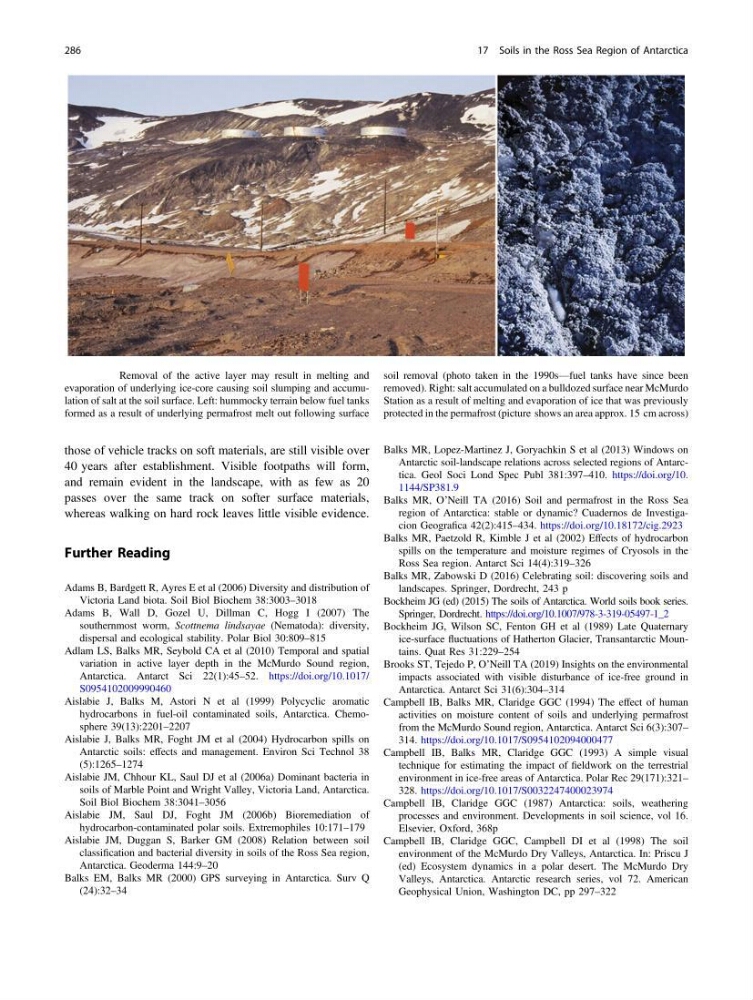
Fig. 17.18 Removal of the active layer may result in melting and
evaporation of underlying ice-core causing soil slumping and accumulation of salt at the soil surface. Left: hummocky terrain below fuel tanks
formed as a result of underlying permafrost melt out following surface
soil removal (photo taken in the 1990s—fuel tanks have since been
removed). Right: salt accumulated on a bulldozed surface near McMurdo
Station as a result of melting and evaporation of ice that was previously
protected in the permafrost (picture shows an area approx. 15 cm across)
286
17 Soils in the Ross Sea Region of Antarctica
40 years after establishment. Visible footpaths will form,
and remain evident in the landscape, with as few as 20
passes over the same track on softer surface materials,
whereas walking on hard rock leaves little visible evidence.
Further Reading
Adams B, Bardgett R, Ayres E et al (2006) Diversity and distribution of
Victoria Land biota. Soil Biol Biochem 38:3003–3018
Adams B, Wall D, Gozel U, Dillman C, Hogg I (2007) The
southernmost worm, Scottnema lindsayae (Nematoda): diversity,
dispersal and ecological stability. Polar Biol 30:809–815
Adlam LS, Balks MR, Seybold CA et al (2010) Temporal and spatial
variation in active layer depth in the McMurdo Sound region,
Antarctica. Antarct Sci 22(1):45–52. https://doi.org/10.1017/
S0954102009990460
Aislabie J, Balks M, Astori N et al (1999) Polycyclic aromatic
hydrocarbons in fuel-oil contaminated soils, Antarctica. Chemosphere 39(13):2201–2207
Aislabie J, Balks MR, Foght JM et al (2004) Hydrocarbon spills on
Antarctic soils: effects and management. Environ Sci Technol 38
(5):1265–1274
Aislabie JM, Chhour KL, Saul DJ et al (2006a) Dominant bacteria in
soils of Marble Point and Wright Valley, Victoria Land, Antarctica.
Soil Biol Biochem 38:3041–3056
Aislabie JM, Saul DJ, Foght JM (2006b) Bioremediation of
hydrocarbon-contaminated polar soils. Extremophiles 10:171–179
Aislabie JM, Duggan S, Barker GM (2008) Relation between soil
classification and bacterial diversity in soils of the Ross Sea region,
Antarctica. Geoderma 144:9–20
Balks EM, Balks MR (2000) GPS surveying in Antarctica. Surv Q
(24):32–34
Balks MR, Lopez-Martinez J, Goryachkin S et al (2013) Windows on
Antarctic soil-landscape relations across selected regions of Antarctica. Geol Soci Lond Spec Publ 381:397–410. https://doi.org/10.
1144/SP381.9
Balks MR, O’Neill TA (2016) Soil and permafrost in the Ross Sea
region of Antarctica: stable or dynamic? Cuadernos de Investigacion Geografica 42(2):415–434. https://doi.org/10.18172/cig.2923
Balks MR, Paetzold R, Kimble J et al (2002) Effects of hydrocarbon
spills on the temperature and moisture regimes of Cryosols in the
Ross Sea region. Antarct Sci 14(4):319–326
Balks MR, Zabowski D (2016) Celebrating soil: discovering soils and
landscapes. Springer, Dordrecht, 243 p
Bockheim JG (ed) (2015) The soils of Antarctica. World soils book series.
Springer, Dordrecht. https://doi.org/10.1007/978-3-319-05497-1_2
Bockheim JG, Wilson SC, Fenton GH et al (1989) Late Quaternary
ice-surface fluctuations of Hatherton Glacier, Transantarctic Mountains. Quat Res 31:229–254
Brooks ST, Tejedo P, O’Neill TA (2019) Insights on the environmental
impacts associated with visible disturbance of ice-free ground in
Antarctica. Antarct Sci 31(6):304–314
Campbell IB, Balks MR, Claridge GGC (1994) The effect of human
activities on moisture content of soils and underlying permafrost
from the McMurdo Sound region, Antarctica. Antarct Sci 6(3):307–
314. https://doi.org/10.1017/S0954102094000477
Campbell IB, Balks MR, Claridge GGC (1993) A simple visual
technique for estimating the impact of fieldwork on the terrestrial
environment in ice-free areas of Antarctica. Polar Rec 29(171):321–
328. https://doi.org/10.1017/S0032247400023974
Campbell IB, Claridge GGC (1987) Antarctica: soils, weathering
processes and environment. Developments in soil science, vol 16.
Elsevier, Oxford, 368p
Campbell IB, Claridge GGC, Campbell DI et al (1998) The soil
environment of the McMurdo Dry Valleys, Antarctica. In: Priscu J
(ed) Ecosystem dynamics in a polar desert. The McMurdo Dry
Valleys, Antarctica. Antarctic research series, vol 72. American
Geophysical Union, Washington DC, pp 297–322
Fig. 17.18 Removal of the active layer may result in melting and
evaporation of underlying ice-core causing soil slumping and accumulation of salt at the soil surface. Left: hummocky terrain below fuel tanks
formed as a result of underlying permafrost melt out following surface
soil removal (photo taken in the 1990s—fuel tanks have since been
removed). Right: salt accumulated on a bulldozed surface near McMurdo
Station as a result of melting and evaporation of ice that was previously
protected in the permafrost (picture shows an area approx. 15 cm across)
286
17 Soils in the Ross Sea Region of Antarctica