

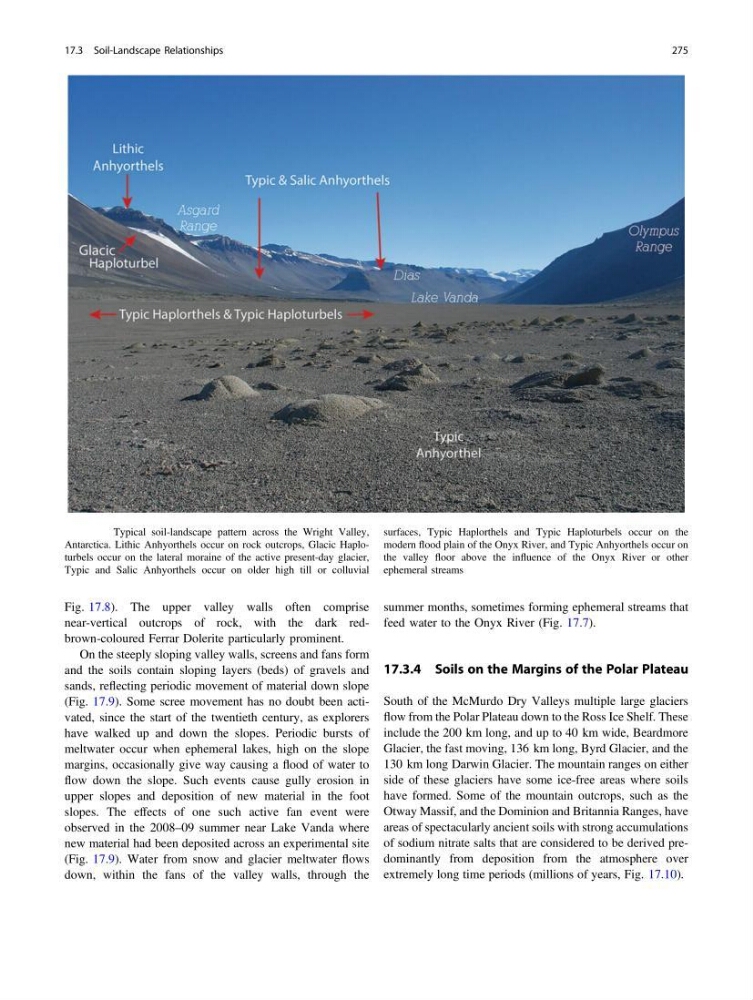
Fig. 17.8). The upper valley walls often comprise
near-vertical outcrops of rock, with the dark redbrown-coloured Ferrar Dolerite particularly prominent.
On the steeply sloping valley walls, screens and fans form
and the soils contain sloping layers (beds) of gravels and
sands, reflecting periodic movement of material down slope
(Fig. 17.9). Some scree movement has no doubt been activated, since the start of the twentieth century, as explorers
have walked up and down the slopes. Periodic bursts of
meltwater occur when ephemeral lakes, high on the slope
margins, occasionally give way causing a flood of water to
flow down the slope. Such events cause gully erosion in
upper slopes and deposition of new material in the foot
slopes. The effects of one such active fan event were
observed in the 2008–09 summer near Lake Vanda where
new material had been deposited across an experimental site
(Fig. 17.9). Water from snow and glacier meltwater flows
down, within the fans of the valley walls, through the
summer months, sometimes forming ephemeral streams that
feed water to the Onyx River (Fig. 17.7).
17.3.4 Soils on the Margins of the Polar Plateau
South of the McMurdo Dry Valleys multiple large glaciers
flow from the Polar Plateau down to the Ross Ice Shelf. These
include the 200 km long, and up to 40 km wide, Beardmore
Glacier, the fast moving, 136 km long, Byrd Glacier, and the
130 km long Darwin Glacier. The mountain ranges on either
side of these glaciers have some ice-free areas where soils
have formed. Some of the mountain outcrops, such as the
Otway Massif, and the Dominion and Britannia Ranges, have
areas of spectacularly ancient soils with strong accumulations
of sodium nitrate salts that are considered to be derived predominantly from deposition from the atmosphere over
extremely long time periods (millions of years, Fig. 17.10).
Fig. 17.8 Typical soil-landscape pattern across the Wright Valley,
Antarctica. Lithic Anhyorthels occur on rock outcrops, Glacic Haploturbels occur on the lateral moraine of the active present-day glacier,
Typic and Salic Anhyorthels occur on older high till or colluvial
surfaces, Typic Haplorthels and Typic Haploturbels occur on the
modern flood plain of the Onyx River, and Typic Anhyorthels occur on
the valley floor above the influence of the Onyx River or other
ephemeral streams
17.3 Soil-Landscape Relationships
275
near-vertical outcrops of rock, with the dark redbrown-coloured Ferrar Dolerite particularly prominent.
On the steeply sloping valley walls, screens and fans form
and the soils contain sloping layers (beds) of gravels and
sands, reflecting periodic movement of material down slope
(Fig. 17.9). Some scree movement has no doubt been activated, since the start of the twentieth century, as explorers
have walked up and down the slopes. Periodic bursts of
meltwater occur when ephemeral lakes, high on the slope
margins, occasionally give way causing a flood of water to
flow down the slope. Such events cause gully erosion in
upper slopes and deposition of new material in the foot
slopes. The effects of one such active fan event were
observed in the 2008–09 summer near Lake Vanda where
new material had been deposited across an experimental site
(Fig. 17.9). Water from snow and glacier meltwater flows
down, within the fans of the valley walls, through the
summer months, sometimes forming ephemeral streams that
feed water to the Onyx River (Fig. 17.7).
17.3.4 Soils on the Margins of the Polar Plateau
South of the McMurdo Dry Valleys multiple large glaciers
flow from the Polar Plateau down to the Ross Ice Shelf. These
include the 200 km long, and up to 40 km wide, Beardmore
Glacier, the fast moving, 136 km long, Byrd Glacier, and the
130 km long Darwin Glacier. The mountain ranges on either
side of these glaciers have some ice-free areas where soils
have formed. Some of the mountain outcrops, such as the
Otway Massif, and the Dominion and Britannia Ranges, have
areas of spectacularly ancient soils with strong accumulations
of sodium nitrate salts that are considered to be derived predominantly from deposition from the atmosphere over
extremely long time periods (millions of years, Fig. 17.10).
Fig. 17.8 Typical soil-landscape pattern across the Wright Valley,
Antarctica. Lithic Anhyorthels occur on rock outcrops, Glacic Haploturbels occur on the lateral moraine of the active present-day glacier,
Typic and Salic Anhyorthels occur on older high till or colluvial
surfaces, Typic Haplorthels and Typic Haploturbels occur on the
modern flood plain of the Onyx River, and Typic Anhyorthels occur on
the valley floor above the influence of the Onyx River or other
ephemeral streams
17.3 Soil-Landscape Relationships
275