

R = is mass of sand + silt (g/100 g dry soil),
L = is mass of clay (g/100 g dry soil), and
H = is mass of organic matter (g/100 g dry soil).
b = 3 where organic matter in the soil is highly decomposed,
and 4 if clearly visible plant material remains.
A soil is considered ripe (i.e. consolidated) if n < 0.7.
The n value is helpful in predicting whether a soil can be
grazed by livestock or can support other loads, and in predicting what degree of subsidence would occur after
drainage.
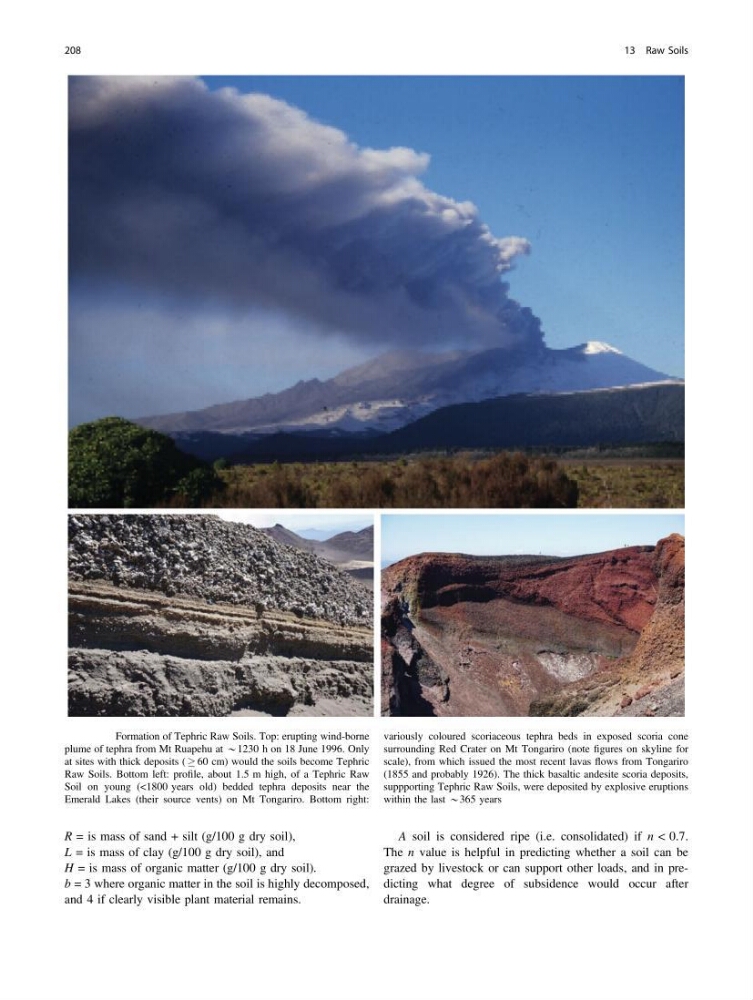
Fig. 13.8 Formation of Tephric Raw Soils. Top: erupting wind-borne
plume of tephra from Mt Ruapehu at *1230 h on 18 June 1996. Only
at sites with thick deposits ( ! 60 cm) would the soils become Tephric
Raw Soils. Bottom left: profile, about 1.5 m high, of a Tephric Raw
Soil on young (<1800 years old) bedded tephra deposits near the
Emerald Lakes (their source vents) on Mt Tongariro. Bottom right:
variously coloured scoriaceous tephra beds in exposed scoria cone
surrounding Red Crater on Mt Tongariro (note figures on skyline for
scale), from which issued the most recent lavas flows from Tongariro
(1855 and probably 1926). The thick basaltic andesite scoria deposits,
suppporting Tephric Raw Soils, were deposited by explosive eruptions
within the last *365 years
208
13 Raw Soils
L = is mass of clay (g/100 g dry soil), and
H = is mass of organic matter (g/100 g dry soil).
b = 3 where organic matter in the soil is highly decomposed,
and 4 if clearly visible plant material remains.
A soil is considered ripe (i.e. consolidated) if n < 0.7.
The n value is helpful in predicting whether a soil can be
grazed by livestock or can support other loads, and in predicting what degree of subsidence would occur after
drainage.
Fig. 13.8 Formation of Tephric Raw Soils. Top: erupting wind-borne
plume of tephra from Mt Ruapehu at *1230 h on 18 June 1996. Only
at sites with thick deposits ( ! 60 cm) would the soils become Tephric
Raw Soils. Bottom left: profile, about 1.5 m high, of a Tephric Raw
Soil on young (<1800 years old) bedded tephra deposits near the
Emerald Lakes (their source vents) on Mt Tongariro. Bottom right:
variously coloured scoriaceous tephra beds in exposed scoria cone
surrounding Red Crater on Mt Tongariro (note figures on skyline for
scale), from which issued the most recent lavas flows from Tongariro
(1855 and probably 1926). The thick basaltic andesite scoria deposits,
suppporting Tephric Raw Soils, were deposited by explosive eruptions
within the last *365 years
208
13 Raw Soils